![3 Hidden Reasons Your 2026 Deck is Warping [and How to Fix It]](https://lawnmajesty.com/wp-content/uploads/2026/02/3-Hidden-Reasons-Your-2026-Deck-is-Warping-and-How-to-Fix-It.jpeg)
Have you ever step onto your deck and noticed that one of the boards seems a little out of shape, distorted in a way that just shouldn’t happen? I remember the moment I realized my outdoor retreat was developing unsightly warps and bows. It was frustrating, especially after investing so much time and money into creating a perfect backyard sanctuary. That lightbulb moment made me dive deep into understanding why decks warp—especially as we look ahead into 2026—and what I could do to stop it from happening.
Why Your Deck’s Warping Is a Bigger Problem Than You Think
Deck warping isn’t just about aesthetics. It’s a serious structural concern that can lead to safety hazards and costly repairs if left unchecked. Plus, as climate patterns shift, the demand for durable, weather-resistant outdoor structures grows ever more urgent. I learned the hard way that many of the common causes are hidden or overlooked, which only worsens the problem over time.
Early in my project, I made a classic mistake: I underestimated the importance of material choice and installation guidelines. I chose cheap, untreated wood because I thought it would save money, but I quickly saw it was a false economy. Moisture, sun exposure, and temperature swings caused it to warp in just a couple of years. Since then, I’ve discovered that understanding the root causes can save you a ton of trouble down the line.
Research shows that materials exposed to moisture and fluctuating temperatures tend to warp more, with some reports indicating warping issues can increase by over 40% under poorly managed conditions (source). That’s why paying attention to how you select, install, and maintain your decking is crucial. The truth is, many homeowners overlook critical aspects such as proper drainage, sealing, and material selection, which set the stage for warping to occur.
So, what can we do about this? Well, that’s exactly what I’ll be sharing—the practical, proven strategies to protect your deck from warping before it’s too late. Because no one wants to spend weekends fixing a warped, creaky deck. Let’s dive into the real solutions that will keep your outdoor space looking sharp and feeling safe for years to come.
Choose Durable, Weather-Resistant Materials
Start by selecting the right wood or composite that withstands moisture and temperature swings. I recommend looking into treated lumber or modern composites, which are less prone to warping. I once salvaged a warped deck by replacing rotten, untreated planks with recycled composite materials, showcasing their resilience.
Install Proper Drainage Systems
Ensuring water doesn’t pool around your deck is crucial. Dig trenches and install drainage mats or gravel beneath the deck surface. I personally used a simple gravel bed with a slight slope to divert water away, drastically reducing moisture build-up and warping risk. For advanced solutions, explore drainage fixes.
Use Quality Fasteners and Joists
Opt for stainless steel or coated fasteners that resist corrosion, preventing loosening and warping of the deck structure. I learned this the hard way when cheap nails corroded, causing the boards to shift. Secure your planks tightly, maintaining alignment over time.
Apply Protective Sealants Regularly
Sealants act as a barrier against moisture. I applied an exterior-grade sealant after installing my deck, which kept the wood from absorbing excessive water during heavy rains. Reapply every 1-2 years, especially in climates with high humidity. This simple step adds years to your deck’s lifespan.
Control Moisture Accumulation with Ventilation
Creating gaps between boards allows air circulation, reducing trapped moisture. When I built a new section, I made sure to space planks properly and installed vents. This prevents humidity build-up, a key cause of warping, especially in humid environments.
Monitor Temperature Fluctuations and Sun Exposure
Position your deck in a way that minimizes direct sun exposure, or use shading solutions like pergolas. During summer, I noticed a section of my deck warped faster because it received intense afternoon sun. Adding a shade kept the wood cooler and slowed warping.
Maintain Consistent Moisture Levels
Avoid letting the wood dry out completely or stay overly wet. Use passive irrigation tricks or dedicated watering schedules to keep the moisture levels balanced. I installed a simple drip system that maintained even humidity, preventing the wood from expanding and contracting excessively.
Opt for Alternative Decking Materials
If warping persists, consider replacing traditional wood with innovative alternatives. Recycled materials like composite decking can be a game-changer. Check out these recycled options for inspiration, which resist warping and require less maintenance.
Many newcomers to Feng Shui believe that simply placing objects in certain areas will instantly bring harmony and prosperity, but in my experience, this oversimplification often leads to unintended negative effects. One common myth is that using symbols and colors alone can transform a space without considering the flow of energy or “chi.” In reality, misconceptions like these can block rather than promote positive energy, leading to frustration and stagnation in personal or spiritual growth. For example, placing a wealth vase directly next to a cluttered doorway can hinder energy movement rather than attract abundance, because Feng Shui emphasizes harmony and balance over mere symbolism. According to renowned Feng Shui expert Dr. Carmen Siniscalco, understanding the nuances of energy flow is crucial—it’s not just about what you place, but where and how you do so, and whether your environment supports natural movement of chi. Overlooking the importance of spatial arrangement can result in a cluttered or chaotic environment that unintentionally keeps you stuck. Similarly, many enthusiasts dismiss the significance of decluttering, viewing it as optional, when in fact, clutter creates stagnant energy and blocks positive vibes from entering your space. Avoiding these pitfalls requires a more nuanced approach, combining the placement of objects with awareness of space, natural light, and movement. Want to maximize your Feng Shui results? Dive into detailed, expert-backed strategies that go beyond surface-level fixes—your environment acts as a mirror of your inner state, and understanding this connection is key to genuine harmony. Interested in deeper insights? Check out our comprehensive guide on [landscaping design tips](https://lawnmajesty.com/landscaping-design-tips-create-stunning-gardens-for-2025-success-2) to create environments that support your energy flow and well-being. Don’t forget to reflect: have you ever fallen into this trap? Let me know in the comments.
Maintaining a beautiful, functional outdoor space requires more than just initial effort; it demands the right tools and persistent care. Over the years, I’ve discovered that investing in quality equipment and adopting proven techniques can significantly extend the life of your landscaping projects, reducing the need for costly repairs and renovations. Today, I want to share some insights into the tools I rely on and methods that keep my gardens and hardscapes in top shape for the long haul.
Choosing the Right Equipment for Every Task
First and foremost, having the right tools makes all the difference. For lawn maintenance, I swear by a robotic mower, such as the robot mower system. It ensures a consistently even cut, keeps my grass healthy, and saves me hours every week. Pair this with a high-quality reel mower during the peak growing season to handle intricate trimming near flower beds or tight spots. Regularly sharpening blades with a professional-grade grinder ensures a clean cut, reducing stress on the grass and preventing disease.
For soil and bed preparation, I use a durable, premium-rated aerator. Aeration is critical for long-term root health and soil drainage. According to a study by turfgrass expert Dr. Michael Hariv, aeration that penetrates at least 3 inches into the soil can improve aeration and water absorption by up to 50%. Investing in a manual or powered aerator periodically helps prevent compaction issues that can lead to patchy growth and weed invasion.
Embracing Smart Technology and Software
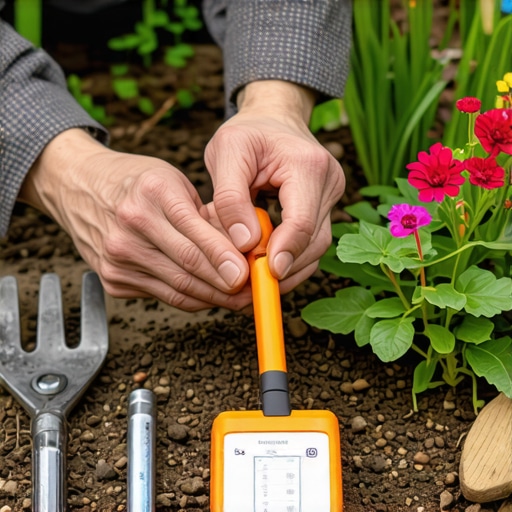
Beyond manual tools, embracing technology has transformed my maintenance routine. I utilize weather-tracking apps to adjust irrigation schedules and avoid overwatering, which can cause root rot and promote fungal diseases. Additionally, soil testing kits help me monitor pH levels and nutrient deficiencies, guiding targeted fertilization that supports healthy growth without excess chemicals.
I also rely on landscape design software to plan seasonal changes and long-term upgrades. Programs like SketchUp enable me to visualize modifications, optimize plant placements, and anticipate challenges like shade coverage or drainage concerns before making physical changes. This proactive approach prevents costly mistakes and ensures continuity in design integrity.
Long-Term Care Strategies That Pay Off
Consistency is key. I schedule regular pruning, weed control, and mulching, using tools like sharp bypass pruners, soil sterilizers, and high-efficiency leaf blowers. For hardscapes, applying joint stabilizers like polymeric sand helps maintain paver integrity over time, preventing weed growth and shifting of stones. Don’t forget the importance of routine inspections. Using a moisture meter allows me to verify the health of my plants and spot issues early, saving time and resources.
Looking ahead, I predict that automation and sustainable practices will dominate the landscaping industry. Innovations like smart irrigation systems that adjust based on weather patterns, coupled with eco-friendly tools, will make maintaining a lush landscape more efficient and environmentally responsible. For an inspiring example, check out these upcoming trends.
How do I keep my landscape thriving over time?
The secret lies in a blend of the right equipment, consistent routines, and embracing new technologies. I encourage you to try integrating a high-tech irrigation system or a soil sensor kit and see how it transforms your maintenance routine. Precision and regular care not only save you money but also ensure your outdoor space remains a source of pride for years to come.
The Hardest Lessons I Learned About Deck Maintenance and Warping Prevention
- I’ve realized that neglecting material quality early on is like building on sand—short-term savings often lead to long-term headaches, especially with warping issues.
- Proper drainage isn’t just an afterthought; it’s the backbone of a durable deck. Overlooking this can turn a beautiful space into a warped nightmare.
- Using the right fasteners and regularly sealing your wood can save you from costly repairs. Skimping here is a false economy that eventually shows its true colors—warping and structural damage.
- Understanding how environmental factors like sun exposure and humidity interact with your deck can be eye-opening. Small adjustments, like adding shading or ventilation, can dramatically extend your deck’s lifespan.
- Embracing innovative materials and technology, such as composite decking and smart moisture sensors, have transformed my approach—making maintenance smarter, not harder.
My Top Picks for Tools and Resources to Keep Your Deck in Top Shape
- Recycled Composite Materials: Trusted for their resilience against warping, these materials are a game-changer and are featured in great options on this guide.
- Moisture Meter: An essential for monitoring wood health, helping prevent unseen damage that leads to warping—available from reputable gardening retailers.
- Drainage Solutions: Installing gravel beds and drainage mats can be DIY-friendly and hugely effective, as detailed in this resource.
- Weather-Tracking Apps: Stay ahead of environmental changes with technology that adapts your maintenance routine—recommended by seasoned landscapers.
Seize the Opportunity: Build a Deck That Defies Warping in 2026
Creating a deck that remains pristine and safe over the coming years isn’t just about choosing the right materials—it’s about adopting a proactive mindset and leveraging the latest tools, techniques, and insights. Remember, every improvement you make today sets the foundation for a beautiful, lasting outdoor retreat tomorrow. Don’t wait for warping to become a problem—start implementing these strategies now and enjoy the serenity of an enduring deck that enhances your home’s beauty and safety. Are you ready to transform your outdoor space into a fortress against warping? Share your plans or questions below—let’s build this journey together!.