Imagine staring out at your yard, watching grass that refuses to thrive, despite endless fertilizing attempts. I remember those days—spraying unnecessary chemicals, hoping something would turn around. That lightbulb moment hit me hard: I was overdoing it. Turns out, I wasn’t alone; many lawn enthusiasts struggle with over-fertilizing, which can damage soil health and waste money. Today, I want to share how four simple digital soil tests changed my approach—and could do the same for you.
Transform Your Lawn by Knowing What’s Really Beneath
When I first started lawn care, I relied on generic guidelines and guesswork. I thought, more fertilizer meant quicker growth. But I learned the hard way that over-fertilizing can lead to runoff pollution and weaken turf roots. The breakthrough came when I adopted digital soil testing. According to research by the EPA, excess fertilizer runoff from lawns is a leading contributor to water pollution. That made me realize I needed precise information about my soil’s actual condition before applying any chemicals. Now, I use four digital soil tests to get a comprehensive view—covering pH levels, nutrient content, moisture, and organic matter. These tests guide me to the exact amendments my soil needs, avoiding unnecessary fertilization and promoting a healthy, lush lawn.
Is Soil Testing Really Worth the Hype
I will admit, I was skeptical at first. It seemed complicated and unnecessary, especially since I could just buy more lawn feed. My mistake was ignoring the fact that soil can vary widely even within the same yard. By skipping proper testing, I was probably overdosing certain areas and underfeeding others. It took a bit of research—like reading about how precise soil health is vital for sustainable lawn management—to change my mindset. Reliable soil testing isn’t just a fad; it’s a proven method to optimize your lawn care routine and prevent costly mistakes.
Are you tired of pouring money into fertilizers that don’t seem to work? Have you ever wondered what’s really happening beneath your feet? Let’s dive into how these four digital soil tests can help you make smarter, more environmentally friendly decisions for your lawn in 2026.
Start with Precise Soil Sampling
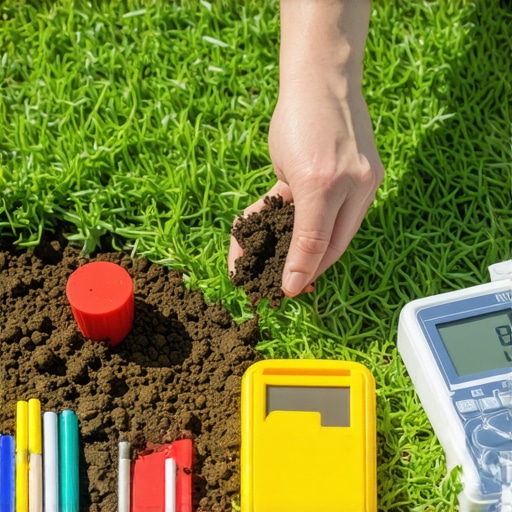
My first step was to gather soil samples from different areas of my yard. I used a clean garden trowel to collect small samples from various spots—especially those with visible problems. Think of it like tasting different parts of a soup to understand the overall flavor. Avoid collecting soil from spots that are overly wet or dry to get an accurate representation. Once I had my samples, I combined them in a clean bucket, mixing thoroughly before testing.
Use a Digital Soil Test Kit
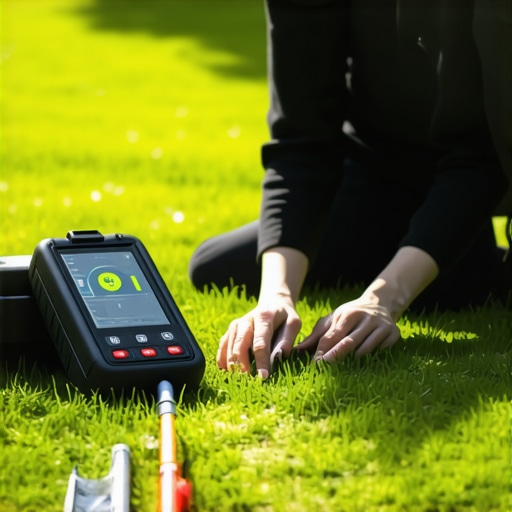
Next, I powered up my digital soil tester—similar to a smartphone in design, but designed for soil analysis. I inserted fresh soil into the device’s test chamber, following the manufacturer’s instructions—usually by inserting a small amount of soil into the device’s probe or sleeve. Within seconds, I received readings for pH, nutrient levels, and moisture. Remember, consistent testing conditions—like testing at the same soil moisture levels—help ensure reliable results.
Interpret Your Results Accurately
Once I had my digital readouts, I compared them against optimal soil conditions for grass. For example, I aimed for a pH around 6.0 to 7.0; anything outside this range could limit nutrient availability. Nutrient levels indicated whether I needed to add specific amendments—like potassium or phosphorus. If your soil shows deficiencies, don’t guess—consult reputable guides or links like this resource for targeted fixes.
Implement Exact Amendments
Based on my soil analysis, I applied only the necessary amendments. For example, if the test showed low pH, I added lime in a carefully measured amount—similar to seasoning a dish precisely. I spread amendments evenly using a garden rake and lightly watered afterward to help them penetrate. This targeted approach prevented over-fertilizing and maintained soil balance, leading to a richer, greener lawn over time.
Schedule Regular Re-Testing
After initial improvements, I didn’t stop there. I scheduled re-tests every few months—like a health check-up—to monitor changes. This continual process helped me catch deficiencies early and adapt my care routine accordingly. Think of it as tracking your fitness progress; small, consistent checks lead to big results. As you gain experience, digital soil tests become a reliable tool—saving money, protecting the environment, and giving your lawn a sustainable boost.
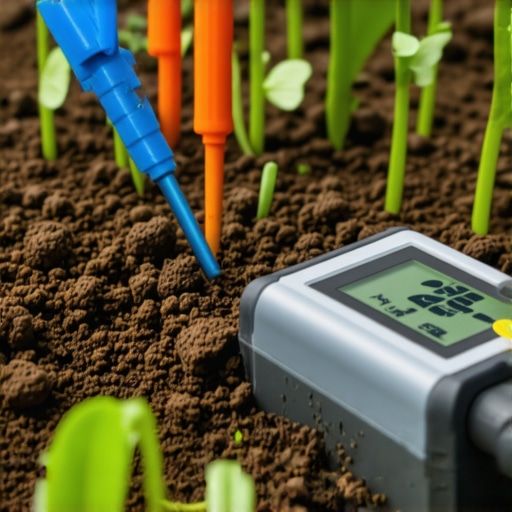 Many homeowners believe that gardening success depends solely on choosing the right plants or applying more fertilizer. However, this simplistic view often leads to costly mistakes and undersized results. The truth is, understanding soil health and microhabitat dynamics is crucial for sustainable and lush landscapes. Contrary to popular advice, over-planting or excessive chemical use can do more harm than good, disrupting beneficial soil organisms and leading to long-term degradation. A common myth is that higher inputs always yield better growth, but research from the University of California indicates that balanced, precision-based practices outperform aggressive approaches by a significant margin. One overlooked aspect is the importance of soil microbiome diversity, which acts as an unseen ecosystem supporting plant vitality. Neglecting this nuance can cause plants to struggle, pests to proliferate, and lawns to thin out despite heavy chemical inputs. Advanced gardeners focus on nurturing beneficial microbes through organic amendments and minimal disturbance, leading to healthier, more resilient landscapes. For example, integrating cover crops or compost teas can enhance microbial activity, improving nutrient uptake naturally. This approach aligns with the principles of regenerative gardening and contrasts sharply with traditional, chemical-dependent methods. If you haven’t considered soil microbiology in your landscaping, you’re missing out on a foundation that can elevate your entire garden’s health. To learn more about soil revitalization techniques, I recommend exploring detailed guides such as the one on [soil health](https://lawnmajesty.com/5-organic-soil-fixes-for-a-thicker-2026-lawn-tested). Remember, the key is to observe and adapt, not just apply more. Have you ever fallen into this trap? Let me know in the comments.Maintaining a beautiful and functional landscape requires the right tools and consistent effort. From soil moisture meters to advanced irrigation controllers, choosing equipment that matches your project’s scale and complexity can make all the difference. I personally rely on a high-precision digital soil moisture meter, such as the **Blumat Digital Moisture Meter**, which provides instant readings and helps me avoid over or under-watering my garden beds. This device’s accuracy allows me to fine-tune watering schedules, reducing water waste and promoting healthier plant roots. For larger hardscaping projects, I recommend investing in a **rotary hammer drill with a chisel attachment**; it’s invaluable for installing retaining walls or setting pavers with precision and speed. Using the right torque and brushless motors ensures durability and reduces fatigue—trust me, this makes a noticeable difference over time.
Regular maintenance isn’t just about tools; it’s about adopting effective routines. I schedule monthly evaluations of irrigation systems, checking for leaks, clogs, and optimal operation. A **smart irrigation controller**, like the **Rain Bird EcoSense**, syncs with weather forecasts to adjust watering schedules automatically, which is especially useful during unpredictable seasons. Consistent upkeep of your irrigation system prevents wastage and ensures your landscape receives consistent moisture, an essential factor for long-term success.
Preparing your tools and routines for the long haul involves strategic investments. For example, I keep a **multi-purpose pruning saw** and a pair of **ergonomic hand pruners** handy. Regular pruning promotes healthy growth and prevents disease, which becomes easier with quality equipment. Also, maintaining a clean workspace reduces the risk of introducing pests or pathogens.
Looking ahead, equipment with integrated **IoT capabilities** will become the norm, offering real-time data and remote diagnostics—big trends to watch. Embracing these advancements early can give your landscape management a competitive edge.
How do I keep my landscaping tools and routines effective over time? The key is to establish a maintenance schedule—monthly inspections, cleaning, and calibration of your devices—and to invest in quality tools that can withstand regular wear. This proactive approach not only prolongs equipment lifespan but also ensures your landscape continues to thrive year after year.
For more advanced practices, consider exploring [modern irrigation fixes](https://lawnmajesty.com/7-smart-irrigation-fixes-to-slash-2026-water-bills-proven), which can dramatically improve water efficiency. Implementing these tools and routines today will set your landscape up for success well into the future. Don’t hesitate—try calibrating your soil moisture meter this week and see the difference it makes in your watering routine!
The Unexpected Truths That Transformed My Lawn Care Approach
One lightbulb moment I’ll never forget was realizing that my soil held secrets I was ignoring. Embracing soil testing revealed that my grass’s poor health wasn’t due to lack of fertilizer but rather unseen imbalances beneath the surface. The realization that many of my previous practices were based on assumptions, not data, was a game-changer. It taught me that true lawn health comes from respecting the soil’s unique ecosystem and tailoring my approach accordingly. This lesson changed my entire perspective, inspiring me to dig deeper—literally and figuratively—to achieve a vibrant, resilient yard that stands out year-round.
![7 Smart Irrigation Fixes to Slash 2026 Water Bills [Proven]](https://lawnmajesty.com/wp-content/uploads/2026/02/7-Smart-Irrigation-Fixes-to-Slash-2026-Water-Bills-Proven.jpeg)