Ever spent summers watering your garden endlessly, only to realize that your favorite plants just aren’t cut out for the scorching heat? I remember my first big summer planting mistake—the sun baked my beloved blooms and left me frustrated, questioning if I’d chosen the wrong plants altogether. That lightbulb moment led me down a path of discovery, and today I want to share what I’ve learned about selecting native plants that can withstand the intense heatwaves predicted for 2026.
As climate patterns shift, heat waves are becoming more frequent and severe. According to the National Oceanic and Atmospheric Administration, recent decades have seen a marked increase in heat-related weather events, and experts warn this trend will intensify by 2026. This means our traditional garden choices might no longer cut it—unless we adapt.
The good news is that nature already has our back. Native plants evolved in our local environments—they’re already geared to handle the climate extremes we’re now facing. But with so many options out there, how do we cut through the noise?
In this post, I’ll introduce you to five tough native plants that are proven to thrive during the hottest summers—plants that require less water, less fuss, and won’t give up when the temperatures soar. Whether you’re a seasoned gardener or just starting out, these hardy natives will transform your outdoor space into a resilient oasis.
Before we dive into the plant list, I want to share a mistake I made early on—overestimating how much watering my plants needed. Turns out, native plants adapted to local rainfall don’t need the extra hydration I thought they did. Failing to recognize their natural resilience led to unnecessary work on my part, and I missed out on enjoying my garden’s true potential. For more ideas on creating a low-maintenance, modern outdoor space that’s built for resilience, check out [effective hardscaping ideas](https://lawnmajesty.com/effective-hardscaping-ideas-to-elevate-your-outdoor-space-in-2025).
So, are you tired of battling your garden every summer, only to watch your plants wilt in the heat? If yes, then you’re in the right place. Let’s explore how to select some of the most resilient native plants that will not just survive but thrive during the extreme heat of 2026 and beyond.
Identify the Right Native Plants for Your Garden
Start by researching native species that are proven to withstand high temperatures and drought conditions. Visit your local nursery or consult native plant databases to compile a list of hardy contenders. In my experience, choosing plants like purple coneflowers and black-eyed Susans transformed my garden into a resilient oasis, even during the hottest weeks.
Assess Your Garden’s Microclimate
Observe how different areas in your yard respond to sunlight and shade throughout the day. Think of your garden as a map of tiny climate zones—some spots are sun-drenched deserts, others are shaded retreats. This helps you match plants to their preferred environments, reducing stress and water needs. I learned this the hard way when I placed delicate native grasses in direct sun, resulting in browning tips, but relocating them to shaded corners revived their health.
Plan Your Layout with Hardscaping Features
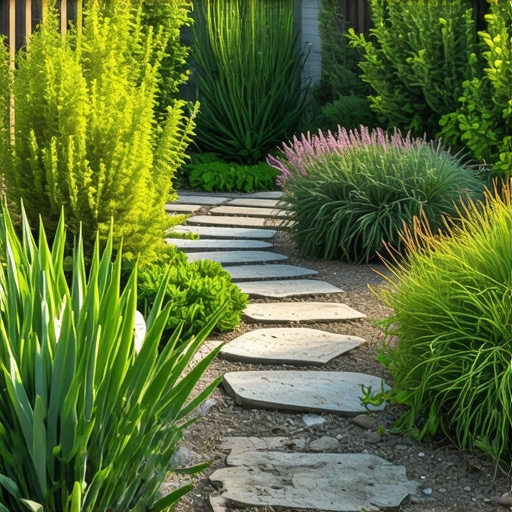
Design your garden layout to maximize resilience and minimize water use. Incorporate hardscaping elements like stone pathways, mulch beds, and raised planters to reduce soil evaporation and control weeds. These features act as a buffer against extreme temperatures, keeping roots cooler. I installed a gravel pathway using hardscaping ideas, which also added visual interest and reduced maintenance.
Create Microclimates for Sensitive Plants
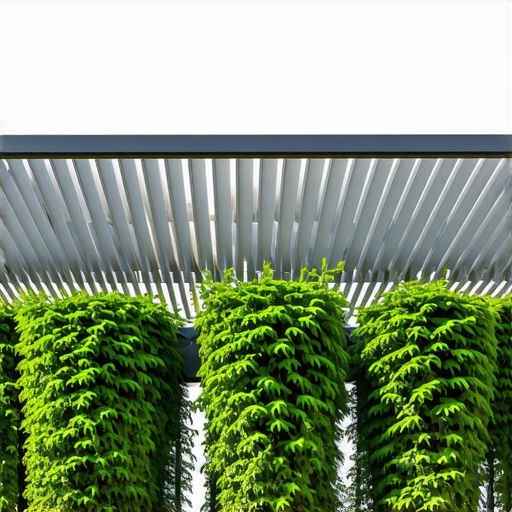
Use natural or constructed elements to create shaded, wind-protected spots for plants that struggle in heat. Planting under trees, installing shade sails, or positioning structures to block afternoon sun can extend the lifespan of delicate natives. I built a simple pergola with climbing natives underneath, which provided relief during peak heat, and the plants flourished as a result.
Optimize Watering Strategies for Low Maintenance
Implement efficient watering methods like drip irrigation or soaker hoses to deliver targeted moisture directly to roots. Group native plants with similar water needs to streamline irrigation and prevent overwatering. In my garden, I set up a drip system linked to a rain sensor, reducing water waste while keeping plants consistently hydrated during dry spells.
Mulch to Suppress Hot Soil and Retain Moisture
Apply organic mulch around your plant bases to insulate roots from temperature extremes and help soil retain moisture. Mulch also suppresses weeds, minimizing your gardening chores. I spread a thick layer of shredded bark around my native beds, which noticeably kept the soil cooler and reduced watering frequency.
Choose Low-Maintenance Native Species
Finally, select plants that require minimal intervention once established. Native grasses, sedges, and wildflowers often need less fertilization, mowing, or pruning. My experience with transitioning to native prairie grasses resulted in a vibrant, self-sustaining landscape that thrived despite record-breaking heatwaves, freeing me from constant upkeep.
Many gardeners fall prey to misconceptions that hamper their outdoor projects. A prevalent mistake is believing that more effort and complex designs always lead to better results. In reality, overcomplicating your landscape can cause maintenance headaches and dilute your garden’s natural harmony. Instead of sneaking in unnecessary features, focus on simplicity and functionality, enhancing your space with effective hardscaping ideas that prioritize both aesthetics and ease of care. For example, integrating elements like stone pathways and mulched beds not only elevates visual appeal but also reduces long-term upkeep. Another misconception is that striving for perfection, like uniform lawns, is essential. As expert landscaping tips suggest, embracing natural variations and native planting can create resilient and low-maintenance landscapes, especially crucial as climate challenges, like severe heatwaves, become more common. Pushing for perfection often leads to overwatering or overfertilizing, which can disrupt soil health and harm your plants. Know that gardening is as much about understanding nature’s nuances as it is about design. Therefore, question traditional yard aesthetics that prioritize floral symmetry over ecological resilience. Your goal should be a balanced landscape that supports local biodiversity and reduces resource consumption. Have you ever fallen into this trap? Let me know in the comments. Mastering these subtle distinctions—like recognizing the benefits of native plants or designing microclimates—sets the foundation for truly successful gardening outcomes. For a deeper dive into how modern hardscaping trends can revolutionize your outdoor space, check out this collection of ideas and strategies.Maintaining a lush, resilient garden requires the right tools that streamline your efforts and maximize results. One of my favorite investments is a quality soil moisture meter, like the AcuRite Soil Moisture Sensor, which provides real-time data on your garden’s hydration levels. This device helps me avoid overwatering or underwatering, ensuring consistent moisture without waste, especially during hot summers. Another essential is a durable, adjustable pruning shear, such as the Felco F-2, renowned for its ergonomic design and sharp blades, making trimming native plants quick and effortless, which promotes healthy growth over time. For larger landscapes, I rely on a backpack sprayer like the Solo 418, which allows precise application of organic fertilizers, plant medicines, or mulch enhancers uniformly across expansive beds, saving time and reducing chemical runoff. In terms of software, I use Gardenize, a gardening app that helps me track planting dates, watering schedules, and seasonal tasks—keeping my garden organized amid the busy seasons. With climate predictions suggesting more intense heatwaves by 2026, investing in reliable equipment that enhances efficiency becomes crucial for long-term success. Additionally, integrating smart irrigation controllers like Rachio automatically adjusts watering based on weather forecasts, preventing overuse of water resources while keeping plants healthy. Going forward, I predict that soil sensors combined with AI-driven analytics will become standard, offering personalized care recommendations based on real-time data. If you’re wondering how to sustain your garden over the years, focus on building a maintenance routine around precise tools that provide actionable insights, reducing effort and increasing plant resilience. How do I maintain my garden tools and equipment over time? Regular cleaning, calibration, and storage are key—wipe blades after each use, check sensors for calibration, and store tools in a dry environment to prevent corrosion. Trying out a soil moisture sensor for your native plant beds is an advanced step that can dramatically improve water efficiency and plant health. For more expert ideas on elevating your landscape, check out these hardscaping strategies.
Uncovering the Hidden Lessons That Changed My Approach to Garden Resilience
One of the most surprising realizations I had was how myth-busting native plant care can save you time and frustration. I once believed that drought-tolerant natives needed regular watering, only to discover that understanding their natural adaptations meant less effort and healthier plants. This lightbulb moment reshaped my entire gardening philosophy, proving that trusting in nature’s intelligence often leads to the most beautiful, resilient landscapes.
Another lesson was the importance of patience. Jumping into complex landscaping projects with high expectations often led to unnecessary overhauling. Embracing simplicity, like selecting native species suited to my microclimate, allowed my garden to evolve into a thriving space without ongoing repairs or adjustments. Sometimes, less truly is more, especially when designing for climate resilience in 2025 and beyond.
I also learned that integrating hardscaping with plants creates a sustainable balance. Features like mulch beds and stone pathways not only elevate aesthetics but also provide natural insulation, reducing water needs and protecting roots from extreme heat. For inspiration on how to incorporate these elements seamlessly, consider exploring hardscaping ideas that blend form and function in modern outdoor spaces.
Tools and Resources That Elevate Your Garden Game
Building a resilient garden isn’t just about plant choices; it also hinges on having the right tools and knowledge. My go-to resource is the expert landscaping tips website, offering insights tailored for evolving climate challenges. A reliable soil moisture meter, like the AcuRite, has transformed my watering routine by providing real-time data, so I don’t waste resources or stress my native plants. For inspiration on lush yet sustainable designs, the garden design inspiration collection has become an invaluable visual guide.
Additionally, smart irrigation controllers like Rachio are revolutionizing water management, adjusting schedules based on real-time weather data. Incorporating AI-driven analytics into your garden routine might sound futuristic, but it’s already within reach and can make all the difference in maintaining a healthy landscape during the increasingly hot summers of 2025 and beyond. Investing in these tools now will make your garden more resilient and enjoyable for years to come.
Your Next Steps Toward a Garden That Flourishes
Imagine stepping into a garden that not only withstands extreme heat but also requires minimal upkeep—a true testament to smart, resilient design. Whether you’re redesigning a corner or undertaking a full garden overhaul, remember that patience and listening to your plants are key. Embrace the beauty of native species, incorporate strategic hardscaping, and equip yourself with helpful tools to maximize success.
Getting started today with small changes can lead to significant long-term rewards. If you’re eager to elevate your outdoor space, explore ideas like modern hardscaping strategies, which beautifully complement native plant gardens and add durability against weather extremes. Your journey toward a resilient, low-maintenance garden begins now—don’t wait to create an outdoor haven that stands strong through the heatwaves of 2026 and beyond.
![5 Climate-Tough Shrubs for No-Water 2026 Gardens [Tested]](https://lawnmajesty.com/wp-content/uploads/2026/02/5-Climate-Tough-Shrubs-for-No-Water-2026-Gardens-Tested.jpeg)
![5 Rabbit-Proof Shrubs for a Maintenance-Free 2026 Garden [List]](https://lawnmajesty.com/wp-content/uploads/2026/02/5-Rabbit-Proof-Shrubs-for-a-Maintenance-Free-2026-Garden-List.jpeg)
![7 Native Trees for Instant 2026 Backyard Privacy [List]](https://lawnmajesty.com/wp-content/uploads/2026/02/7-Native-Trees-for-Instant-2026-Backyard-Privacy-List.jpeg)