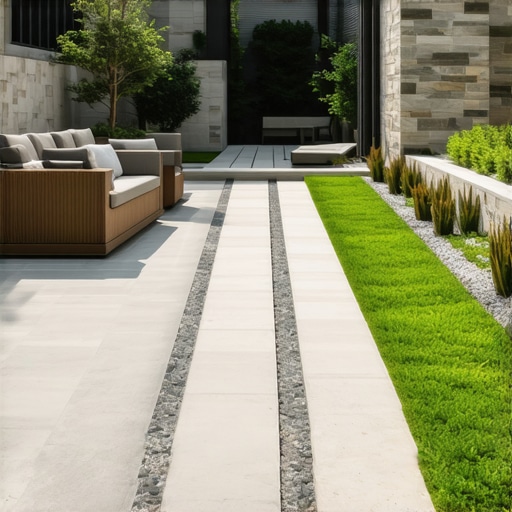
![6 Retaining Wall Mistakes Killing Your 2026 Backyard [Fixes]](https://lawnmajesty.com/wp-content/uploads/2026/02/6-Retaining-Wall-Mistakes-Killing-Your-2026-Backyard-Fixes.jpeg)
I vividly remember the moment I first saw a retaining wall collapse in my neighbor’s yard. The soil gave way, and suddenly, that pristine garden I admired was a chaotic mess of displaced stones and mud. It was a lightbulb moment—those seemingly small design decisions can have big repercussions if not done right. As I dove into understanding what went wrong, I realized many of these issues stem from a handful of common mistakes, some of which I had unknowingly made myself early on.
If you’re like me and dreaming of a beautiful, functional backyard that stands the test of time, avoiding these pitfalls is crucial. Today, I want to share the six most critical retaining wall mistakes that could be undermining your project before it even starts—and more importantly, how to fix them.
Recognizing the Risks of Poor Planning and Execution
Retaining walls are more than just pretty features; they serve a vital role in managing soil, preventing erosion, and creating usable outdoor spaces. However, improper design or construction can lead to costly failures, threatening your landscape and wallet. Did you know that nearly 75% of retaining wall failures are due to incorrect footing or drainage issues? (Source: National Association of Landscape Professionals)
One mistake I made early on was overlooking the significance of drainage. I thought simply stacking stones would suffice, but neglecting proper drainage led to water pooling behind the wall, causing it to shift and crack over time. That experience taught me the importance of understanding foundational needs—something I now emphasize to everyone I help with backyard projects.
Are you worried that your current or planned retaining wall might be vulnerable? Well, stay tuned. We’re going to explore each mistake in detail, along with proven solutions that can save you from future headaches. Whether you’re laying out a small garden boundary or designing a complex tiered landscape, knowing these pitfalls can make all the difference. And if you haven’t faced any issues yet, consider this your friendly heads-up—prevention is always better than repair.
Next up, let’s dig into the first critical mistake that could undermine your entire backyard oasis.
Plan Carefully Before Digging In
Start with a clear layout of your retaining wall, considering the natural slope and future loads. Use a garden hose or stakes and string to mark the exact location. Double-check measurements to ensure symmetry and proper alignment. I once ignored my plan, and the wall ended up leaning; a simple blueprint could have saved me hours of correction.
Assess Soil Conditions
Test your soil’s drainage and compaction. Poor soil can cause instability, much like trying to build on quicksand. If your soil retains too much water, consider installing a drainage pipe or gravel backfill. I learned this the hard way when a poorly drained site caused my first attempt at a wall to sag over time.
Build a Solid Foundation
Clear away grass and organic material to prevent settling. Excavate a trench at least 6 inches deep for smaller walls and deeper for taller ones. Compact the trench base thoroughly, like tamping a concrete slab, to prevent future shifting. I remember rushing this step and ending up with a crooked wall that later needed reinforcement.
Lay the Base Course Carefully
Position the first layer of blocks or stones, ensuring they are level and aligned. Use a spirit level and a rubber mallet for precision. Think of this step as laying the foundation of a house—it’s the essential support for everything above. Skipping proper leveling here will cause the entire wall to wobble or crack.
Stack with Purpose
Follow a pattern that alternates the joints for stability, similar to bricklaying a chimney. Use good-quality adhesive or mortar if required, especially for taller walls. Consistent jointing helps in evenly distributing weight, reducing points of stress. I once left joints uneven, leading to a section that loosened prematurely.
Incorporate Drainage Correctly
Install gravel behind the wall and include weep holes every few feet to allow water escape. This drainage system is the difference between a durable wall and a sinking disaster. During one project, I neglected drainage, and water buildup during rain caused the wall to shift after just a year. For detailed drainage solutions, check this drainage guide.
Finish with Reinforcements
Add geogrid or retaining wall reinforcement fabrics for taller structures. Backfill with gravel and compact in layers to prevent settling. Remember, your wall is like a puzzle—each piece must fit tightly. My last wall failed because I didn’t reinforce the higher sections sufficiently, leading to a costly rebuild.
Regular Maintenance Prevents Future Failures
Inspect your wall annually for shifting or cracking. Drain blocks clogged? Clear them promptly. Healthy drainage keeps water pressure low, preserving your hard work. For example, a quick fix of clearing out weep holes saved me from major repairs a few years ago. Integrate these practices into your routine, and your wall will stand strong for years.
Many homeowners believe that following basic lawn care routines guarantees a lush, healthy yard, but in my experience, there’s a deeper layer of nuance often overlooked. A common misconception is that more fertilizer always leads to better grass; however, over-fertilizing can cause nutrient runoff, soil imbalance, and even promote disease, according to turf experts. Instead, understanding soil health and applying tailored amendments can foster sustainable growth.
Similarly, in garden design, the obsession with flashy plants and vibrant colors can distract from the importance of native species and ecological harmony. Native plants are better adapted to local climate and soil conditions, reducing water and maintenance needs while supporting local biodiversity. For example, opting for native pollinator plants not only beautifies your garden but also contributes significantly to local ecosystems.
In hardscaping, many believe that selecting the most durable materials is sufficient, but failure often arises from inadequate planning or poor installation. Permeable pavements, for instance, are a sustainable choice that allows water infiltration, but if not properly installed, they can shift or clog over time. Proper base prep and choosing the right product for your climate are critical steps many skip.
Now, for an advanced question: How can integrated landscape strategies reduce maintenance while enhancing resilience? The answer lies in designing systems that work synergistically, such as combining drought-tolerant native plants with efficient irrigation and proper soil management. This holistic approach minimizes water use, limits pest issues, and extends the lifespan of your landscape features.
Research from the University of California emphasizes that ecological landscaping can cut maintenance by up to 50%, mainly by reducing the need for chemical inputs and water. By applying these insights, you can move beyond basic DIY efforts and craft a truly sustainable outdoor space.
Have you ever fallen into this trap? Let me know in the comments.Maintaining a thriving and beautiful outdoor space requires more than just timely watering and occasional pruning. It hinges on having the right tools and understanding precise methods to ensure long-term success. From professional-grade equipment to innovative software, the investments you make today can save you countless hours and expense tomorrow.
One of my top recommendations is the use of **robotic mowers**. These devices can handle regular mowing efficiently, helping to maintain an even, healthy lawn without the constant manual effort. I personally use a model that integrates with my smartphone app, allowing me to schedule mowing sessions remotely and adjust cutting modes to suit seasonal growth. However, it’s vital to avoid common mistakes like relying solely on robotic mowers without proper boundary wiring, which can lead to uneven cuts. For tips on optimizing your robotic mower setup, check out this guide on avoiding mistakes in lawn automation.
Alongside robotic tools, I advocate for specialized soil testing kits. Understanding your soil’s pH and nutrient levels through precise testing enables tailored amendments, promoting resilient plant growth. I routinely use a digital soil tester that provides instant readings, guiding my fertilization and liming decisions. Reliable soil health is the foundation of a lush garden, and proactively managing it is a game-changer.
In terms of landscape design and visualization, software like SketchUp or Landscape Architect helps plan your projects accurately before ground breaks. This approach minimizes costly miscalculations and streamlines the implementation process. Personally, I utilize Landscape Architect to overlay 3D models onto my property, enabling client collaboration and detailed adjustments.
Looking toward the future, automation and smart technology are converging, making it easier to manage landscapes with minimal manual input. Anticipate an uptick in AI-driven monitoring systems that detect pest outbreaks or nutrient deficiencies in real-time, allowing swift action. Integrating these tools into your maintenance routine could revolutionize how we care for outdoor spaces.
**How do I maintain my landscape tools over time?** Regular calibration, cleaning, and updates are essential to keep your equipment functioning optimally. For instance, sharpening mower blades every season ensures a clean cut, which reduces plant stress and disease risk. Similarly, software updates for digital tools improve functionality and security.
I encourage you to experiment with one of these advanced tools—perhaps your first robotic mower or a soil testing kit. Implementing refined methods will elevate your landscape care from basic to expert level, ensuring your garden remains vibrant and resilient for years to come.
Lessons Hidden in My Hardest Retaining Wall Failures
- It took experiencing a costly collapse to realize that overlooking drainage was my biggest mistake—small details matter more than you think.
- Procrastinating on thorough soil testing turned what should have been a simple project into a complicated, expensive fix—anticipate the unexpected.
- Not planning for future growth or shifting ground led to instability; proactive design saves headaches down the line.
- Sticking to a detailed blueprint from the start prevented misalignments that could have caused long-term structural issues.
- Embracing continuous maintenance and regular inspections revealed early signs of trouble, saving my entire landscape from failure.
Tools That Changed How I Maintain and Improve My Landscapes
- Robotic mowers, when set up properly, dramatically reduce manual labor and keep lawns consistently healthy—check out this guide to avoid common mistakes.
- Digital soil testers have become my secret weapon for tailored fertilization, enhancing plant resilience naturally—highly recommended for precise care.
- Landscape design software like SketchUp has helped me visualize projects, minimize errors, and execute more stunning results—it’s an investment worth considering.
- Smart irrigation systems integrated with weather data ensure my plants get just the right amount of water, reducing waste and promoting garden vitality.
Your Next Step to a Thriving Outdoor Space
“Transforming your landscape with thoughtful planning and the right tools isn’t just a dream—it’s within your reach. Embrace the lessons learned, leverage trusted resources, and keep pushing to create a backyard that’s both beautiful and resilient. Whether you’re revisiting your retaining wall design or exploring innovative gardening techniques, now is the perfect time to act. Your outdoor sanctuary awaits!”
What critical mistake have you encountered with retaining wall projects, and how did you overcome it? Drop your story below—I’d love to hear about your experiences and solutions.