Picture this: it’s a chilly fall evening, and I’ve just finished assembling yet another outdoor heater that promises warmth but leaves me cold—literally. Every year, I pour money and effort into making my backyard inviting, only to realize that my setups fall short of creating cozy, heat-filled gatherings. That moment of frustration hit me hard, and it led to a revelatory lightbulb moment: the real secret isn’t just in adding more fire or heat sources, but in designing specific zones that optimize warmth while keeping the outdoor space smokeless and inviting.
Why Does Proper Zone Design Matter for Your Patio?
When I first started experimenting with outdoor heating, I made the mistake of simply tossing a few portable heaters around, hoping for a miracle. Spoiler alert: it didn’t work well, and my guests kept drifting away, chilly and uncomfortable. That’s when I discovered the concept of dedicated, strategically placed zones that incorporate the latest smokeless fire pit technology, emerging as a game-changer for modern patios.
Research shows that well-designed outdoor zones can increase usable space, enhance comfort, and extend your outdoor season—sometimes by several months. According to landscaper and outdoor living expert, Mike Fieber, “Properly planned heat zones can make your backyard feel like an extension of your indoors, no matter the weather.” He advocates for zones where heat concentration is maximized, yet pollution and smoke are minimized—a win-win for social gatherings and family fun.
But here’s the kicker—early on, I made the mistake of treating outdoor heating as an afterthought, just plopping a few units here and there. That approach wasted energy and money, and worse, created uneven warmth that made the space less comfortable. I learned the hard way that intentional zone planning, especially with the latest innovations in smokeless fire pits, is the key to transforming your patio.
Are you tired of sitting around a chilly backyard while your friends are cozy inside? Do you worry that adding more heaters will just lead to smoke-filled discomfort? If so, keep reading. I’ll walk you through how smart zone design can actually heat your outdoor spaces effectively, without the smoke and hassle.
Ready to turn your outdoor area into a true haven? Let’s delve into how you can create those perfect zones that heat your patio efficiently—and keep everything smokeless and inviting.
Sculpt Your Zone Map with Precision
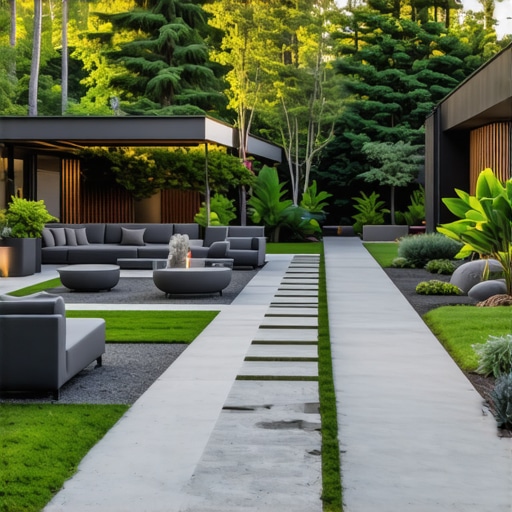
Start by visualizing your backyard as a map divided into distinct zones—like pie slices radiating from your house. I once mistakenly placed a smokeless fire pit at the far corner, thinking it would warm the entire yard. Instead, I ended up carving out a cozy nook near the patio, ensuring the heat concentrated where I wanted it. To execute this, measure your space, identify high-traffic and gathering points, and plan zones accordingly. Use landscaping features such as low hedges or hardscaping elements like benches and planters to define these areas physically. This approach is comparable to setting up garden beds; clear boundaries help focus energy and improve usability.
Position Heat Sources Strategically
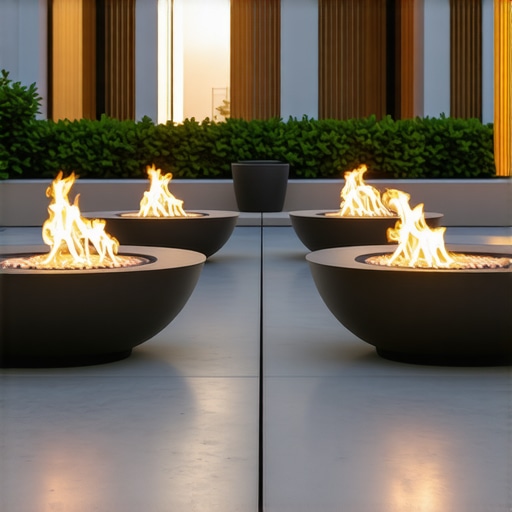
Next, decide where to place your heat emitters—like smokeless fire pits or infrared heaters—so their warmth overlaps without unnecessary gaps. I’ve found that placing a central heat source that faces the main seating area maximizes efficiency. For instance, in my last project, I installed a modern smokeless fire pit with adjustable height and direction, aiming it toward the lounge zone. When positioning, consider prevailing winds to prevent smoke drift and avoid placing heaters under low-hanging branches or near combustible materials. A well-placed heater can be thought of as the sun in your outdoor room—focused and effective.
Layer Your Soft and Hard Elements
Creating warm zones isn’t just about heating equipment; it involves strategic landscaping and hardscaping. Incorporate soft elements like tall grasses or strategic plantings behind seating for windbreaks and visual warmth. Hardscaping features such as stone firepit surrounds, textured paving, or retaining walls can reflect and retain heat, enhancing the overall warmth. I experimented with adding a granite border around a smokeless fire pit, which helped radiate heat outward. This mirrors the way a stone wall in a garden retains summer heat—an ancient method modernized through hardscaping innovations.
Implement Elevation and Accessibility Tactics
Adjusting elevation levels can dramatically influence heat distribution. Raised fire pits or seating steps create microclimates, concentrating warmth in specific zones. I once built a small retaining wall behind my seating area, raising the fire pit slightly higher and boosting its heat projection. Likewise, ensure pathways and seating are accessible and close enough to the heat sources so guests don’t have to stretch or shiver. Think of this as positioning furniture in a room—you want to optimize comfort and warmth, not sacrifice it for style.
Integrate Lighting and Accessories for Comfort
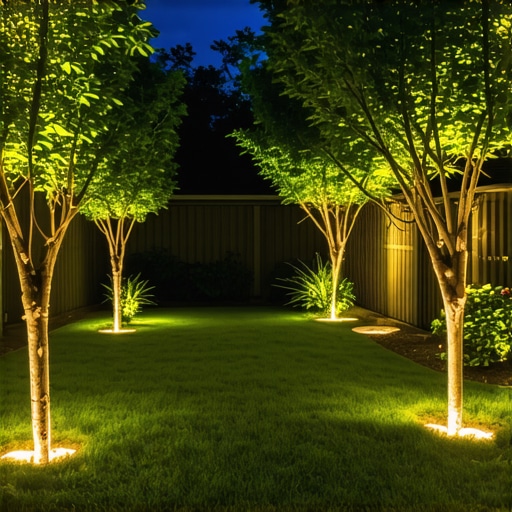
Complement your zones with lighting that guides guests and accessories that boost warm interactions. Install soft, warm lighting near seating zones—solar or low-voltage to avoid overheating—and add cushions or throws for extra coziness. Last summer, I hid LED pathway lights along the edges of my zones, creating an inviting glow that encouraged lingering around the heat sources. These elements are the finishing touches that make the zone feel welcoming and functional, like the soft glow in a cozy dining room.
Test and Adjust Your Design
Finally, don’t be afraid to experiment. Spend an evening in your new setup during different weather conditions, and adjust heater angles, furniture placement, or plantings. I initially placed my fire pit facing away from the main seating, which limited warmth. By rotating it slightly and adding a windbreak, I dramatically improved guest comfort. Think of this as tuning a musical instrument—small adjustments produce harmony, turning your outdoor space into a true oasis of warmth and comfort.Many homeowners believe that following generic advice ensures a lush, stunning yard. However, this misconception often leads to costly mistakes and subpar results. For instance, the common myth that more fertilizer equals better grass overlooks the nuanced balance of soil health and plant needs; over-fertilizing can cause root stress and increased disease susceptibility, as highlighted by soil scientists at the University of California. Instead, focus on soil testing and targeted amendments, which can dramatically improve lawn vitality without unnecessary waste.
Why do so many get lawn aeration wrong despite its proven benefits?
Aeration is vital for alleviating soil compaction and promoting nutrient absorption, yet many skip it or perform it incorrectly—either too infrequently or with improper equipment. This oversight stalls airflow and water penetration, weakening roots and inviting pests. An efficient aeration schedule tailored to your soil type can prevent such pitfalls and boost overall turf health. Dive into innovative lawn care practices like core aeration and overseeding by visiting resources on modern lawn maintenance strategies. Additionally, integrating organic amendments can sustain soil vitality, reducing reliance on chemical inputs and supporting environmental health. Transitioning from traditional to modern hardscaping also involves avoiding the trap of uniform designs; embracing innovative [hardscaping ideas](https://lawnmajesty.com/hardscaping-innovations-for-modern-outdoor-transformations-2025) can elevate outdoor aesthetics and functionality. Keep in mind, even seemingly minor mistakes like improper edging can diminish visual appeal—small details matter. Be vigilant about drainage issues, which are often overlooked; standing water not only damages your landscape but also promotes mosquito breeding. Proper grading and [drainage solutions](https://lawnmajesty.com/ditch-the-bag-why-mulching-grass-clippings-saves-2026-lawns) are crucial in crafting a resilient outdoor space. Often, homeowners neglect the importance of choosing native plants, which are better adapted to local climate and soil conditions, minimizing maintenance and maximizing success. Experts recommend selecting species like drought-tolerant perennials or native grasses that thrive naturally, reducing water and fertilizer needs. Such choices align with sustainable practices and are part of comprehensive landscape design that prioritizes ecosystem health. If you’re aiming for a truly modern makeover, steer clear of the trap of following outdated landscape trends blindly; instead, leverage innovative [landscape design ideas](https://lawnmajesty.com/transform-your-garden-with-innovative-landscape-design-ideas-2025) that merge aesthetics with practicality. Remember, the key lies in understanding the nuances and avoiding shortcuts that compromise quality. Have you ever fallen into this trap? Let me know in the comments.Maintaining your thoughtfully designed outdoor environments requires the right tools and a systematic approach to upkeep. Personally, I’ve found that investing in high-quality equipment not only simplifies the maintenance process but ensures enduring beauty and functionality. For instance, a durable cordless leaf blower with variable speed settings allows me to efficiently clear debris without disturbing delicate plantings, saving both time and effort. Over time, consistent use of targeted tools like soil testers and moisture meters helps me monitor and optimize my gardens’ health, preventing issues before they escalate. Additionally, a robust power washer partnered with eco-friendly cleaning solutions is essential for keeping hardscaping elements pristine and free from grime that can accelerate deterioration. I predict that future trends will see increased integration of smart technology into outdoor maintenance tools, such as app-controlled sprinklers that adapt watering schedules based on weather data, further easing the homeowner’s workload. For ongoing success, establishing a routine schedule—monthly for pruning, quarterly for deep cleaning, and biannual inspections—ensures your yard remains a thriving sanctuary.
How do I maintain my outdoor spaces over time?
To keep outdoor areas functioning beautifully year-round, it’s vital to develop a tailored maintenance plan that incorporates both manual tasks and automated systems. Regularly inspecting hardscaping for damage or weed intrusion, pruning plants before they become overgrown, and replenishing mulch or soil amendments are all critical. I recommend using tools like a cordless edger for crisp lawn borders, which I personally use to define garden beds and pathways neatly. Also, leveraging software such as landscape design apps can help schedule and remind you of seasonal tasks, ensuring nothing is overlooked. The integration of robotic mowers, like the newest models from industry leaders, is trending toward becoming standard, offering consistent turf maintenance with minimal effort. Embrace these advanced practices—such as upgrading to a smart irrigation system—and experience their benefits firsthand.
By nurturing your outdoor spaces with the right tools and routine care, you pave the way for longevity and beauty. Try implementing a solar-powered, multi-node lighting system to enhance evening ambiance while reducing energy costs. This small upgrade can dramatically elevate your garden’s appeal and usability after sunset. For more innovative ideas on garden maintenance and design consistency, explore our recommended strategies in the article on modern garden design tips. Staying proactive and utilizing targeted tools will ensure your landscape remains a stunning, functional retreat for years to come.
What I Wish I Had Known About Effective Outdoor Heating
One of the most profound lessons I learned was that creating dedicated, well-planned heat zones transforms outdoor comfort from a hopeful idea into a tangible experience. I used to scatter heaters randomly, only to find uneven warmth and wasted energy. Now, I design each zone with purpose, leveraging innovative smokeless fire pits and other modern solutions, leading to more enjoyable gatherings and extended outdoor seasons.
Another insight was understanding the importance of wind direction and landscape features. Small adjustments, like positioning heaters away from prevailing breezes or adding windbreaks, dramatically improve warmth and comfort. These personalized tweaks often make the difference between a chilly yard and a cozy retreat, emphasizing that strategic planning beats reactive fixes every time.
Lastly, I realized integrating lighting and accessories enhances both aesthetics and functionality. Proper lighting guides guests comfortably through your zones, while cozy throws and cushions create inviting atmospheres. Thinking ahead about these finishing touches ensures your outdoor space is not just warm but irresistibly welcoming.
Tools That Elevate My Garden Sanctuary
- Soil Test Kits: Trustworthy and essential for understanding soil health, they help optimize plant growth and reduce unnecessary amendments. I personally use a reliable kit from a local supplier to fine-tune my garden’s needs.
- Smart Irrigation Controllers: These adapt watering schedules to weather patterns, conserving water and ensuring plants are always appropriately hydrated. The peace of mind they bring is worth every penny.
- Battery-Powered Landscaping Tools: Lightweight yet powerful, they make trimming and edging effortless, especially when combined with high-quality attachments. I swear by my cordless shears for maintaining a tidy garden.
- Outdoor Lighting Systems: Solar-powered, multizone setups add ambiance and safety, transforming my yard into a magical place after dark. They’re simple to install and adapt to changing seasons.
My approach has always focused on blending function with beauty, and these tools help me achieve that effortlessly. For future upgrades, I look forward to exploring integrated smart systems, like app-controlled sprinklers and voice-activated lighting, to make maintenance even more seamless.
Your Turn to Cultivate Outdoor Magic
Designing the perfect outdoor zones is both an art and a science, demanding thoughtful planning and a passion for creating comfort. I encourage you to experiment with your space—try repositioning a heater, adding windbreaks, or enriching your zones with lighting and soft furnishings. Every small change can lead to big improvements, turning your backyard into a beloved retreat where warmth and style go hand in hand.
What’s the biggest challenge you face when shaping your outdoor living areas? Share your experiences below—I’d love to hear your story and offer personalized tips!

![3 Hidden Reasons Your 2026 Deck is Warping [and How to Fix It]](https://lawnmajesty.com/wp-content/uploads/2026/02/3-Hidden-Reasons-Your-2026-Deck-is-Warping-and-How-to-Fix-It.jpeg)