Stop 2026 Aphid Infestations with This Neem Oil Mixture
The Sensory Reality of a Dying Canopy
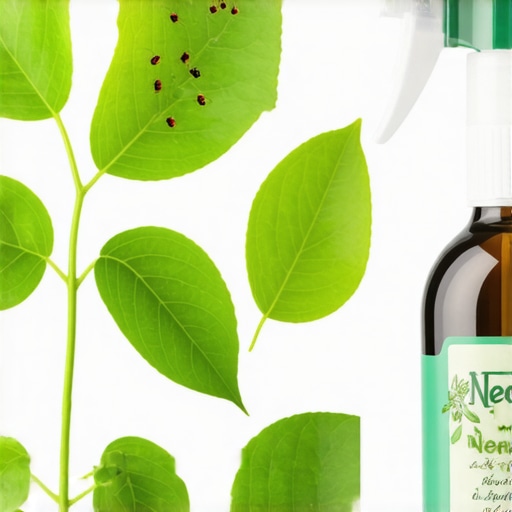
You walk out to your prize maples and notice the leaves look shiny, almost wet. But it has not rained. When you touch them, your fingers stick together. That is honeydew, the sugary excrement of thousands of Aphis gossypii. If you look closer, the underside of those leaves is a writhing mass of soft-bodied invaders. By the time the black sooty mold sets in, your plant is already losing the war for its own nutrients. This is not just a cosmetic issue; it is a vascular heist. I have seen 20-year-old landscape installations gutted in a single season because a homeowner ignored these microscopic signals. It starts with a slight curl in the new growth and ends with total leaf drop and opportunistic pathogens moving in for the kill. I recently got called out to a property where a homeowner had completely torched their front lawn and prize roses by applying a 100% concentration of crude neem oil in the middle of a 95-degree July afternoon. They did not just kill the aphids; they literally deep-fried the plant tissue. This happens when you follow “internet tips” instead of horticultural chemistry. Neem oil is a tool, not a magic wand. If you do not understand the science of emulsification and the phototoxicity of oils, you are better off leaving the sprayer in the garage. The plant’s cuticle is its only defense against the sun, and you just dissolved it with an improper mix. You must respect the biology of the pest and the physiology of the host. Don’t be that guy. Fix it right the first time.
Understanding the 2026 Aphid Surge
Aphid infestations in 2026 are driven by warmer winter cycles and excessive nitrogen runoff in the soil, which creates a buffet of soft, succulent plant tissue. Controlling these pests requires a dual approach of disrupting their endocrine systems with azadirachtin while managing the local environmental stressors that attract them. This is not about eradication; it is about management. Aphids reproduce through parthenogenesis, meaning a single female can produce offspring without a mate. Their population growth is exponential. You are fighting a biological factory. If your garden design relies on high-nitrogen synthetic fertilizers, you are essentially ringing a dinner bell for every aphid in the county. We see it every year: the “mow-and-blow” crews throw down a heavy 30-0-0 fertilizer, the plants push out weak, watery growth, and the aphids descend like a plague. It is a cycle of failure. You need to understand the relationship between soil health and pest resistance. A plant with a strong cell wall, built through proper potassium and calcium uptake, is much harder for an aphid’s stylet to pierce.
“Azadirachtin, the primary active ingredient in neem oil, acts as an insect growth regulator, interfering with the synthesis of ecdysone, the hormone responsible for molting.” – University of California Statewide IPM Program
How much neem oil do I need for a gallon of spray?
For a standard 1% solution, you need approximately 1.3 ounces of cold-pressed neem oil per gallon of water, combined with 1 to 2 teaspoons of a high-quality surfactant like castile soap. This ratio ensures enough active azadirachtin to disrupt the insect’s life cycle without creating a film so thick it suffocates the plant’s stomata. Use a calibrated measuring cup. Do not eyeball it. If the oil is not properly emulsified, it will float on top of the water, and your first three sprays will be pure water while your last spray will be pure oil. That last spray is what kills the plant. You want a milky, uniform suspension. If you see oil slicks on the surface of your tank, you have failed the mixing stage. Stir constantly. Use the mixture within four hours. After that, the azadirachtin begins to break down through hydrolysis, and you are basically just spraying expensive salad dressing.
| Neem Type | Active Ingredient Content | Primary Use | Risks |
|---|---|---|---|
| Cold-Pressed Neem | High (Azadirachtin) | Systemic & Contact Kill | Higher Phototoxicity |
| Clarified Hydrophobic Extract | Low to Trace | Suffocation/Mites | Less Effective on Life Cycle |
| Neem Cake | Solid Residuals | Soil Amendment | Slow Acting |
The Forensic Autopsy of a Failed Treatment
When I see a failed aphid treatment, the cause is usually poor timing or poor coverage. Effective neem oil application requires hitting the underside of every leaf, as this is where aphids congregate to avoid predators and direct sunlight. If you only spray the tops of the leaves, you are wasting your time. You have to be thorough. Use a high-pressure backpack sprayer set to a fine mist. The goal is 100% wetting, not runoff. If the solution is dripping off the leaves into the soil, you are over-applying. You also need to check the pH of your water. If your well water is highly alkaline (above 7.0 pH), it will degrade the azadirachtin molecules before they even hit the leaf. I always carry a pH meter in the truck. If the water is too hard, add a buffer. This is the difference between a professional result and a DIY disaster. It is about the chemistry of the tank mix. People think they can just dump some oil in a bucket and call it a day. That is why their plants are covered in bugs two weeks later. You missed the eggs, you missed the nymphs, and your active ingredient was neutralized by your tap water.
“Effective pest management begins with cultural practices that reduce plant stress, as weakened vascular systems are primary targets for opportunistic phloem-feeders.” – Texas A&M AgriLife Extension
Can neem oil burn plants in direct sunlight?
Yes, neem oil causes phototoxicity when applied in direct sunlight or during temperatures exceeding 85 degrees Fahrenheit, as the oil acts as a magnifying glass for UV rays. Always apply treatments in the late evening or very early morning to allow the carrier to evaporate before the sun hits the foliage. This is non-negotiable. I have seen entire boxwood hedges turned brown because a crew sprayed them at noon. The oil clogs the stomata and prevents transpiration. The plant cannot cool itself. It literally overheats from the inside out. If you are working in a high-heat zone, you might need to skip the oil entirely and move to a potassium-based insecticidal soap. Know your limits. If the forecast calls for a heatwave, wait. The aphids will do less damage in 48 hours than a bad oil application will do in 45 minutes.
The Professional Aphid Eradication Checklist
- Inspect the Root Flare: Ensure the plant isn’t buried too deep, causing stress that attracts pests.
- Test Soil Nitrogen: High nitrogen levels produce soft growth that aphids crave.
- Identify Beneficials: Look for ladybug larvae or lacewings before spraying; don’t kill your allies.
- Mix a Test Batch: Ensure the oil and soap create a stable emulsion in your local water.
- Check the Undersides: Use a mirror or bend the stems; if you don’t hit the bottom, you don’t kill the bug.
- Monitor Ants: Ants farm aphids for honeydew and will protect them from predators; kill the ants to kill the aphids.
Maintenance and Long-Term Prevention
Stopping the 2026 infestation is not a one-and-done event. You need a preventative maintenance schedule that focuses on soil microbiology and proper garden design. Aphids are the symptom; a stressed plant is the disease. In my 20 years of hardscaping and landscaping, the healthiest yards are those where the homeowner treats the soil like a living organism. Stop using broad-spectrum poisons that kill the predatory wasps and ladybugs. When you kill everything, the aphids are the first to return because their reproductive cycle is faster than their predators’. It’s basic biology. Focus on horticultural oils and soaps that have a short residual life. If you have a recurring problem in one specific area, check your drainage. Saturated roots lead to anaerobic conditions, which stress the plant and send out chemical signals (volatile organic compounds) that tell aphids “this one is weak, come eat.” We see it on every site. The plant in the poorly drained corner is always the one covered in scale and aphids. Fix the grade. Install a French drain. Improve the soil structure with organic matter. If you don’t fix the environment, the bugs will keep coming back no matter how much neem you spray. It is about engineering a resilient ecosystem, not just reacting to a crisis. Keep your tools clean, keep your soil balanced, and keep your sprayer calibrated. That is how you win. No shortcuts. Just science.
![Stop 2026 Mildew on Your Phlox [Pruning Hack]](https://lawnmajesty.com/wp-content/uploads/2026/07/Stop-2026-Mildew-on-Your-Phlox-Pruning-Hack.jpeg)