5 2026 Pollinator Plants That Love Clay Soil
The Engineering Reality of Planting in Heavy Clay
To successfully plant 2026 pollinators in clay soil, you must select species like Swamp Milkweed and New England Aster that tolerate periodic anaerobic conditions. These plants utilize the high Cation Exchange Capacity of clay to thrive, provided the landscaping design accounts for surface drainage and avoids soil compaction during the critical installation phase.
I always drill into my new crew members: if you don’t fix the soil grading first, every plant you put in the ground is just expensive compost. I remember a job back in ’08 where a greenhorn ignored the perc test results and installed a full pollinator garden in a low spot. Three weeks later, after a heavy rain, we had to go back and pump out what looked like a chocolate milk pond. The roots had literally suffocated. Clay is not your enemy, but if you treat it like potting soil, it will kill your margins and your reputation. You have to respect the physics of the site before you ever touch a shovel. This is why hardscaping and garden design are inseparable. You cannot have a healthy lawn care routine or a thriving garden if the substrate is a compacted mess of silicate layers that won’t let water move.
The Science of Clay: Why It Matters for 2026 Trends
Clay particles are microscopic plates. When they get wet, they stick together, creating a seal that prevents gas exchange. This is why most plants die in clay: they don’t drown; they suffocate. However, clay also has the highest nutrient-holding capacity of any soil type. In 2026, the trend is moving toward ‘Structural Ecology,’ where we use the inherent strength of clay to support heavy-blooming natives that can handle the ‘wet-dry’ cycle of the changing climate.
“Clay soils have a high cation exchange capacity (CEC), meaning they can hold onto nutrients better than sandy soils, but their small pore space limits oxygen availability.” – Penn State Extension Agronomy Manual
When we look at landscaping for the next decade, we are moving away from soil replacement and toward species selection. Don’t waste money hauling in topsoil that will just sit on top of the clay like a wet sponge. Instead, use these five plants that are engineered by nature to pierce through the heavy ground.
1. Asclepias incarnata (Swamp Milkweed)
Swamp Milkweed is the workhorse of the 2026 pollinator garden. Unlike its cousin Asclepias syriaca, which can be invasive in managed beds, incarnata stays in a tidy clump. Its root system is designed for low-oxygen environments. It sends down thick, fleshy roots that can navigate the dense silicate layers of heavy clay without rotting.
How do I improve drainage for Swamp Milkweed?
You don’t necessarily need to improve internal drainage for this species, but you must ensure the soil grading prevents permanent standing water. Aim for a 2% slope across your planting beds. If the clay is extremely compacted from construction equipment, use a broadfork to open up the soil profile to a depth of 12 inches before planting. Do not rototill; this destroys the soil structure and creates a hardpan layer that roots cannot penetrate. The 2026 approach is about minimal disturbance and maximum aeration.
2. Symphyotrichum novae-angliae (New England Aster)
This is the late-season powerhouse. New England Aster thrives in clay because it actually prefers the moisture-retentive qualities of the soil during the heat of August. By the time 2026 rolls around, we expect more intense late-summer droughts, and these plants will be the survivors. Their fibrous root systems help bind the clay, preventing the surface cracking that often plagues lawn care professionals in heavy-soil regions.
| Plant Species | Root Type | Pollinator Value | Clay Tolerance |
|---|---|---|---|
| Swamp Milkweed | Fleshy Taproot | Monarch Host | High (Wet Clay) |
| New England Aster | Fibrous/Rhizomatous | Late Season Nectar | High (Moist Clay) |
| Prairie Blazing Star | Corm/Deep Taproot | Specialist Bees | Extreme |
| Wild Bergamot | Rhizomatous | Bumblebees/Hummingbirds | Moderate to High |
| Rattlesnake Master | Deep Taproot | Beneficial Wasps | Extreme (Drought Clay) |
3. Liatris pycnostachya (Prairie Blazing Star)
If you have ‘gumbo’ soil, this is your plant. The Prairie Blazing Star produces a massive vertical spike that serves as a biological drill. Its roots can reach depths of five feet. This is essential for landscaping in areas with high clay content because the roots create channels for water to move deeper into the subsoil. It acts as a natural aerator. When the roots eventually die back and regenerate, they leave behind organic matter that slowly improves the soil structure over years. It is a long-term engineering solution disguised as a flower.
What is the best way to plant in heavy clay?
Avoid the ‘clay pot’ effect. When you dig a hole in clay, the sides often become smooth and glazed. Roots hit this wall and start circling, eventually girdling the plant. I tell my crew to ‘rough up’ the sides of every hole with a pickaxe. This allows the root tips to find purchase in the surrounding soil. Use a hardscaping approach to planting: think about the PSI you are applying to the soil. Never walk in the beds when they are wet. You will squeeze every bit of oxygen out of that clay, and the plants will pay for it.
4. Monarda fistulosa (Wild Bergamot)
Wild Bergamot is a staple for any 2026 garden design focused on resilience. It contains high levels of thymol, which has antimicrobial properties that can help it resist the fungal pathogens that often breed in damp, heavy soils. It spreads via rhizomes, which is perfect for clay because it allows the plant to find its own ‘sweet spots’ of drainage within a large bed. It doesn’t just sit there; it migrates to where it can thrive. This makes it much easier for homeowners to maintain without constant intervention from a lawn care service.
“A retaining wall doesn’t fail because of the stone; it fails because of the water trapped behind it.” – Hardscape Engineering Axiom
The same logic applies to your garden beds. If you don’t provide a way for water to exit the site, your Monarda will develop powdery mildew. Ensure you have hardscaping elements like French drains or decorative dry creek beds integrated into your design to move excess surface water away from the crowns of the plants. Water must move. It will move whether you want it to or not; my job is to tell it where to go.
5. Eryngium yuccifolium (Rattlesnake Master)
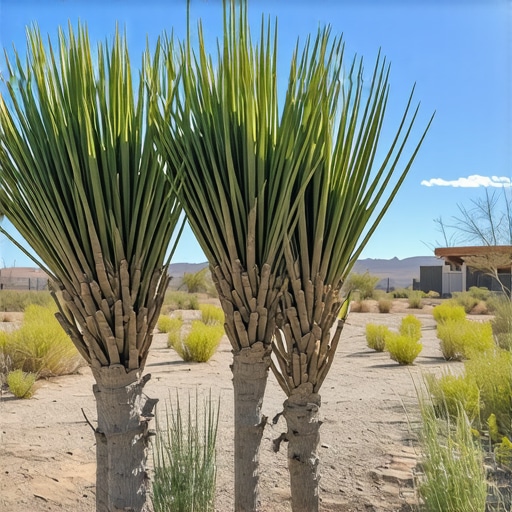
This plant looks like it belongs in a desert, but it is a powerhouse for clay. It features a waxy cuticle on its leaves that prevents moisture loss during the summer ‘baking’ phase when clay turns into brick. In 2026, we are looking for plants that provide ‘Information Gain’—they tell us about the health of the site. If your Rattlesnake Master is thriving, your soil has stabilized. It attracts a unique diversity of pollinators, including predatory wasps that help with natural pest control, reducing the need for the chemical applications that I despise.
Clay Soil Management Checklist
- Test soil pH: Clay is often slightly alkaline or acidic depending on your region. Target 6.5 for these pollinators.
- Check for 811: Before any deep excavation or drainage work, call for utility marking. Safety first.
- Avoid ‘muck’ planting: If you can squeeze the soil into a ball and it doesn’t crumble, it is too wet to work. Wait.
- Mulch with leaf mold: Avoid heavy wood chips that can float away. Use decomposed organic matter to build soil structure.
- Dormant pruning: In late winter, cut back stalks but leave 12 inches for stem-nesting bees.
Landscaping in clay is about playing the long game. You aren’t just ‘planting a garden’; you are managing a biological system. Those 20-year-old hacks will tell you to just dump a bag of sand in the hole. Don’t listen. Sand plus clay equals concrete. You want organic matter and the right biology. These five plants are the foundation of a high-performance, pollinator-friendly landscape that will survive the test of time and the weight of the ground. It is about engineering, not just aesthetics. Your soil is a resource, not a hurdle. Treat it like one.