5 Best 2026 Drought-Tolerant Plants for Hot Zones
Understanding Arid Microclimates and Root Zone Engineering
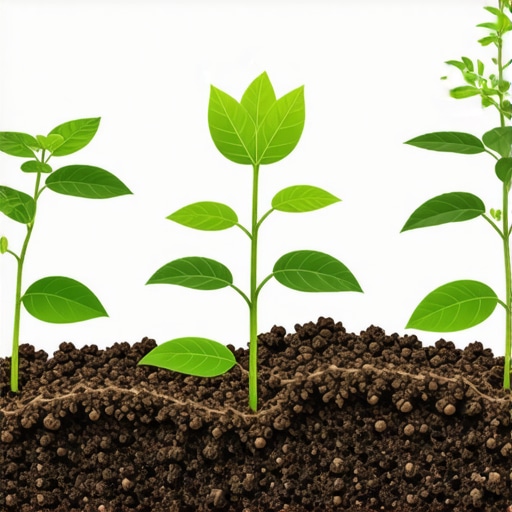
Drought-tolerant plants for hot zones are specifically evolved cultivars or native species that maintain physiological functions during periods of extreme thermal stress and hydrologic deficit. These plants prioritize deep root development over rapid foliar growth, utilizing waxy cuticles and stomatal regulation to minimize water loss while maintaining cellular turgor. I always drill into my new crew members: if you don’t fix the soil grading and drainage first, every plant you put in the ground is just expensive compost. Most rookie contractors think drought-tolerant means you can just throw a plant into sun-baked clay and walk away. That is a lie. High-performance landscaping requires a fundamental understanding of soil porosity and the hydrostatic pressure within the rhizosphere. If your soil is compacted at 90% Proctor density, no amount of ‘hardy’ genetics will save the plant from root rot when the infrequent monsoon rains finally hit. You need a soil texture that balances capillary action with rapid percolation. [IMAGE_PLACEHOLDER_1]
1. Yucca rostrata (Beaked Yucca): The Architectural Sentinel
Yucca rostrata serves as a structural focal point in modern garden design, offering a shimmering blue-green globose head of stiff, narrow leaves that thrive in high-ultraviolet environments. This specimen is not merely ornamental; its evolutionary adaptations allow it to withstand temperatures exceeding 110 degrees Fahrenheit without exhibiting leaf scorch or vascular collapse. When installing a rostrata, you must ensure the root flare is positioned exactly 1 inch above the surrounding grade. Planting these too deep is a death sentence in hot zones where the soil surface temperature can fluctuate wildly. The trunk is covered in a persistent ‘shag’ of old leaves that acts as a natural thermal insulator for the plant’s vascular tissue. I’ve seen these survive three-month stretches without a drop of supplemental water, provided they were established correctly in a well-drained, sandy loam substrate.
“A retaining wall doesn’t fail because of the stone; it fails because of the water trapped behind it.” – Hardscape Engineering Axiom
This same logic applies to xeric planting beds; if you don’t provide a path for water to exit the root zone, you are creating a subterranean swamp that will kill even the toughest Agave.
How much water do drought-tolerant plants need the first year?
During the establishment phase, even xeric species require approximately 1 inch of water per week applied directly to the root ball to prevent desiccation. Once the root system penetrates the surrounding native soil—typically after 12 to 18 months—irrigation frequency should be reduced by 50% to encourage deeper root exploration and physiological hardening.
2. Agave ovatifolia (Whale’s Tongue Agave): The Low-Profile Workhorse
Agave ovatifolia is the premier choice for landscaping projects requiring high visual impact with zero maintenance. Unlike other Agave species that produce messy ‘pups’ or offsets, the ovatifolia remains a solitary, massive rosette of wide, powder-blue leaves. In my 20 years in the dirt, I’ve found that this plant is virtually indestructible if you provide it with a 4-inch gravel mulch. Organic mulch is a mistake here; it retains too much moisture against the crown, leading to fungal pathogens.
“Soil compaction is the single greatest barrier to plant health in urban landscapes, limiting oxygen diffusion and physical root expansion.” – USDA NRCS Agronomy Manual
To optimize growth, we backfill the planting hole with a mixture of 60% native soil and 40% expanded shale or 3/8-inch crushed granite. This creates the macropores necessary for gaseous exchange. If your shovel bounces off the ground during excavation, you have a compaction problem that needs a mechanical subsoiler, not a ‘magic’ fertilizer.
| Plant Species | USDA Hardiness Zone | Soil Requirement | Avg. Mature Height |
|---|---|---|---|
| Yucca rostrata | 5-11 | Well-drained Sand/Gravel | 10-15 ft |
| Agave ovatifolia | 7-11 | Granular/Rocky | 3-4 ft |
| Bouteloua gracilis | 3-10 | Variable/Loam | 1-2 ft |
| Salvia greggii | 6-10 | Well-drained Loam | 2-3 ft |
| Vitex agnus-castus | 6-9 | Tolerant/Average | 10-20 ft |
3. Bouteloua gracilis ‘Blonde Ambition’ (Blue Grama Grass)
Bouteloua gracilis is a C4 photosynthetic grass, meaning it processes carbon dioxide more efficiently at higher temperatures than standard turf grasses. In 2026, as water costs continue to rise, this will replace the traditional high-maintenance lawn. The ‘Blonde Ambition’ cultivar features unique horizontal seed heads that resemble tiny flags. It doesn’t need a mower; it needs a light trim once a year in late winter. This is the antithesis of the ‘mow-and-blow’ culture. We use it to stabilize slopes and provide texture against hardscape elements like weathered steel or limestone boulders. Because it is a bunchgrass, it doesn’t form a thick thatch layer, allowing for better water infiltration directly into the aquifer. Don’t drown it. Over-watering is the fastest way to turn this elegant grass into a floppy, necrotic mess.
What is the best soil for drought-tolerant grasses?
Drought-tolerant grasses perform best in soils with a pH between 6.5 and 8.0, requiring minimal organic matter. Over-amending soil with compost can lead to excessive nitrogen levels, which causes rapid, weak growth that is highly susceptible to heat stress and pest infestations. Focus on mechanical aeration to maintain soil structure rather than chemical inputs.
4. Salvia greggii (Autumn Sage): The Pollinator Powerhouse
Salvia greggii is a woody sub-shrub that provides consistent color in the heat of July when other perennials are flagging. It is the backbone of any smart garden design in hot zones. The key to success with Salvia is air circulation. If you crowd these plants, you’re asking for powdery mildew. We space them at 36-inch centers to allow the wind to move through the canopy, which naturally regulates the plant’s temperature. It’s a tough specimen that prefers lean soil; high-nitrogen fertilizers will actually reduce the number of blooms. I’ve seen homeowners burn these to a crisp by applying 10-10-10 fertilizer in the middle of a heatwave. If you must feed them, use a slow-release organic meal in early spring, and nothing else. Prune them back by one-third in late winter to maintain a tight, mounded form.
5. Vitex agnus-castus (Chaste Tree): The Water-Wise Shade Provider
Vitex agnus-castus is the ultimate drought-tolerant alternative to the water-hungry Lilac. It produces massive spikes of lavender flowers in the peak of summer. From an engineering perspective, the Vitex is excellent for lawn care transitions because its deep taproot doesn’t compete with surface-level groundcovers. It is remarkably salt-tolerant and heat-hardy. However, you must watch the root flare. I see ‘pros’ bury these 6 inches deep all the time, which leads to adventitious rooting and eventual girdling. You want to see the flare—the point where the trunk widens into the roots—at the soil surface. This ensures the bark doesn’t rot and the tree can ‘breathe’ through its lenticels. It’s a tough tree for a tough world.
- Conduct a soil drainage test (Perc test) before purchasing any plants.
- Install a 1/4 inch Netafim drip line system for precise water delivery.
- Use 3-4 inches of inorganic mulch (river rock or decomposed granite) to suppress weeds.
- Set irrigation controllers to water at 4:00 AM to minimize evaporation.
- Avoid all high-nitrogen fertilizers during the summer months.