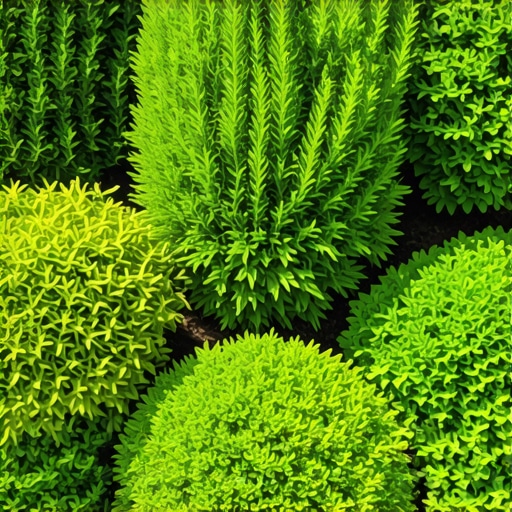
5 2026 Best Flowering Shrubs for Zone 5
Success in a Zone 5 landscape is not determined at the garden center; it is determined six inches under the topsoil. I always drill into my new crew members: if you don’t fix the soil grading first, every plant you put in the ground is just expensive compost. I have seen too many homeowners drop five figures on nursery-grade stock only to watch it drown in a literal bathtub of heavy clay because they didn’t account for drainage or soil structure. In the USDA Hardiness Zone 5, where temperatures can plummet to minus 20 degrees Fahrenheit, your plant selection is only half the battle. The other half is the engineering of the root zone. You need plants that can withstand the freeze-thaw cycles that heave the earth and the heavy snow loads that snap brittle branches.
The Critical Foundation for Zone 5 Flowering Shrubs
Successful Zone 5 shrub installation requires a deep understanding of soil pH, drainage capacity, and root flare exposure to ensure long-term plant health through extreme winter dormancy. Most failures occur due to girdling roots or hypoxia caused by planting too deep in non-porous clay soils.
“A retaining wall doesn’t fail because of the stone; it fails because of the water trapped behind it.” – Hardscape Engineering Axiom
How do I test my soil drainage for shrubs?
Dig a hole 12 inches deep and fill it with water. Let it drain completely. Fill it again and track how long it takes to empty. If it takes longer than 4 hours, you have a drainage problem that will kill most flowering shrubs. You must remediate this with French drains or by raising the planting bed. Don’t skip this. If the water sits, the roots rot. It is that simple. In Zone 5, poorly drained soil also leads to ice crystals forming around the root system, which physically shears the delicate feeder roots during the winter months.
1. Syringa reticulata ‘Ivory Silk’ (Japanese Tree Lilac)
The Syringa reticulata is a workhorse for those who want the lilac scent without the powdery mildew issues common in older cultivars. This is technically a large shrub or small tree. It handles the alkaline soils often found in the Midwest with zero complaints. The bark has a cherry-like texture that provides interest when the leaves are gone. We recommend it for its high calcium carbonate tolerance. It doesn’t flop. It doesn’t suck. It just grows. You want to see the root flare—the point where the trunk widens at the base—sitting exactly one inch above the finished grade to prevent trunk rot.
2. Hydrangea paniculata ‘Fire Light’
Forget the temperamental blue hydrangeas that die back to the ground every winter. Hydrangea paniculata blooms on new wood. This means even if a freak April frost kills the tips, you still get flowers in July. The ‘Fire Light’ cultivar is selected for its sturdy stems. I hate shrubs that require staking. A shrub should stand on its own. These panicles turn a deep pomegranate red. To get the best bloom, you need a soil nitrogen balance that isn’t too high; otherwise, you get all leaves and no color. Aim for a 10-10-10 slow-release fertilizer in early May. No later.
3. Physocarpus opulifolius ‘Amber Jubilee’ (Ninebark)
Physocarpus opulifolius is a native powerhouse. If you are dealing with heavy clay, this is your solution. The ‘Amber Jubilee’ offers foliage that shifts from orange to gold to lime green. The name ‘Ninebark’ comes from the exfoliating bark that peels away in layers. This is an evolutionary trait that helps the plant shed pests. It is tough as nails. We use it for erosion control on sloped garden designs because its root system is aggressive and fibrous. It holds the earth. Use a 2-inch layer of hardwood mulch, but keep it 3 inches away from the stems. No mulch volcanoes.
What is the best way to prune Zone 5 shrubs?
For most flowering shrubs in this zone, prune immediately after the flowers fade. If you prune in late fall, you risk stimulating new growth that will be killed by the first hard frost. This wastes the plant’s stored energy. Use sharp, bypassed pruners. Dull blades crush the vascular tissue. Crushed tissue leads to fungal infections. Clean your tools with 70% isopropyl alcohol between plants. This prevents the spread of botrytis cinerea.
4. Viburnum dentatum (Arrowwood Viburnum)
If you want a privacy screen that isn’t a boring row of arborvitae, Viburnum dentatum is the professional choice. It is called Arrowwood because Native Americans used the straight, hard wood for arrow shafts. That tells you everything you need to know about its structural integrity. It produces white flat-topped flowers followed by blue-black fruit that birds love. It is highly resistant to the viburnum leaf beetle if you choose the right locally adapted strain. It handles a wide range of soil moisture levels, making it ideal for the edge of a property where lawn care runoff might accumulate.
5. Cornus alba ‘Ivory Halo’ (Red-twig Dogwood)
In the dead of a Zone 5 winter, everything looks gray. The Cornus alba provides a shock of bright red stems against the snow. We use this for bioswales and wet spots. It loves wet feet. To keep the stems red, you must perform renewal pruning. Every three years, cut one-third of the oldest, grayest wood down to the ground. This forces the plant to push out new, vibrant red growth from the crown. If you don’t prune it, it becomes a messy, gray thicket. Maintenance is mandatory. Neglect is the enemy of a high-end landscape.
Engineering the Landscape: Nursery Stock vs. Big-Box Stores
You get what you pay for. Big-box stores often sell plants that were forced in greenhouses in warmer climates. They aren’t hardened off for Zone 5 winters. We source from local nurseries that grow their stock in-ground. The mycorrhizal fungi associations in local soil are superior to the sterile peat mixes found in cheap pots. This table breaks down the investment reality.
| Feature | Nursery Quality Stock | Big-Box Retail Stock |
|---|---|---|
| Root System | Well-developed, non-circling | Often root-bound or girdled |
| Acclimatization | Hardened to local Zone 5 | Often shipped from Zone 7/8 |
| Soil Medium | Native soil/compost blends | Cheap peat moss (dries fast) |
| Lifespan | 25+ years with care | High failure rate in year 2 |
| Price Point | Higher initial cost | Lower initial cost |
“Planting a tree too deep is a slow death sentence. The secondary roots will eventually choke the main stem.” – ISA Arboricultural Standards
The Maintenance Protocol
A hardscaping project or a new garden bed is a living system. It requires a maintenance schedule that respects the biology of the plants. Use this checklist for your 2026 planting season:
- Step 1: Soil test for pH and NPK levels. Adjust with elemental sulfur if pH is above 7.5.
- Step 2: Excavate the planting hole twice as wide as the root ball, but no deeper.
- Step 3: Score the sides of the root ball to break up any circular growth patterns.
- Step 4: Backfill with native soil. Do not over-amend; the roots need to learn to grow in the real world.
- Step 5: Apply 1 inch of water per week, delivered via drip irrigation directly to the root zone.
Remember, the goal is deep rooting. Frequent, light watering keeps roots near the surface where they will bake in the summer and freeze in the winter. Force them to chase the water down into the subsoil. That is how you build a landscape that lasts decades, not just a single season. Don’t be a hack. Do the work right the first time.