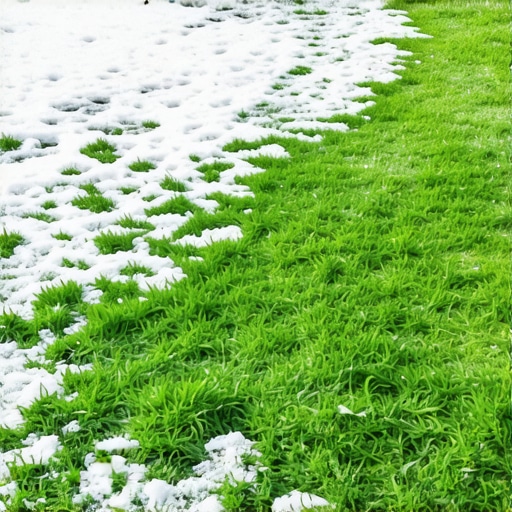
Stop 2026 Lawn Weed Growth with Corn Gluten Soil Secret
I walked onto a property last October that looked like a chemical warfare zone. The homeowner, desperate to kill off a late-season surge of crabgrass, had dumped three times the recommended dosage of a synthetic ‘triple-action’ fertilizer. The result wasn’t a weed-free lawn; it was a scorched, yellowed graveyard where even the earthworms had abandoned ship. The soil was sterile, the pH was crashed, and the grass roots were practically mummified. It took four months of intensive soil remediation just to get the microbial life back to baseline. This is exactly why I tell my clients to stop chasing quick fixes with heavy synthetics and start looking at the long game of soil chemistry, specifically the use of corn gluten meal as a pre-emergent stabilizer.
What is Corn Gluten Meal and how does it stop 2026 weed growth?
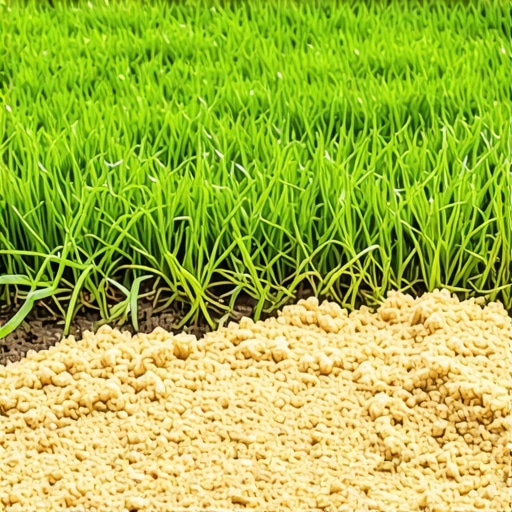
Corn gluten meal is a byproduct of the corn milling process that functions as a natural, nitrogen-rich pre-emergent herbicide by inhibiting the formation of roots in germinating weed seeds. When applied at the correct soil temperature and concentration, it prevents 2026 weeds like crabgrass and dandelions from ever establishing a foothold.
The Science of the Dipeptide Effect
Most ‘mow-and-blow’ guys think corn gluten is just fancy birdseed. They’re wrong. It’s chemistry. Corn gluten meal contains specific dipeptides—chains of amino acids—that interfere with the water absorption of a newly sprouted seed. Specifically, it targets the radical, the first root that emerges. If that root can’t draw moisture because the dipeptides have effectively ‘dried out’ the surrounding soil-seed interface, the plant dies before you ever see a leaf. It is a biological barrier, not a poison. This distinction is critical for the health of your garden design and the surrounding biome.
“Corn gluten meal contains approximately 10% nitrogen by weight and has been shown to reduce weed populations by up to 60% in the first year and 90% by the third year of consecutive application.” – Iowa State University Horticultural Research
How do I apply corn gluten to my lawn without killing it?
To apply corn gluten meal effectively, you must use a broadcast spreader calibrated to deliver 20 pounds per 1,000 square feet on a dry lawn, followed by light irrigation. The key is the drying period; if the soil stays saturated for too long after application, the weed seeds will recover from the dipeptide shock and continue to grow.
The Forensic Autopsy of a Weed-Ridden Lawn
When a lawn is overrun by weeds, it is a symptom of structural failure, not just bad luck. Weeds are ‘pioneer species.’ They exist to cover bare, compacted, or nutrient-deficient soil. If you have a massive breakout of prostrate spurge or clover, your soil is screaming at you that it has high compaction and low nitrogen. Use a penetrometer. If you can’t push a screwdriver six inches into the ground without a fight, your grass roots are suffocating while weeds are thriving.
| Feature | Corn Gluten Meal (Organic) | Synthetic Pre-Emergents (Prodiamine) |
|---|---|---|
| Mode of Action | Dipeptide Root Inhibition | Microtubule Assembly Inhibition |
| Nitrogen Content | 9-10% (Slow Release) | 0% (Typically) |
| Soil Health Impact | Increases Microbial Activity | Can Suppress Soil Fungi |
| Residual Window | 4-6 Weeks | 3-5 Months |
| Application Rate | 20 lbs per 1,000 sq. ft. | 0.5 – 1.5 lbs per 1,000 sq. ft. |
When should I put down corn gluten in the spring?
Application of corn gluten meal must occur when soil temperatures consistently reach 55 degrees Fahrenheit at a four-inch depth, typically coinciding with the blooming of forsythia bushes. Applying it too early results in nutrient runoff, while applying it too late allows weed radicals to harden and survive the treatment.
The 2026 Weed Prevention Protocol
Stopping weeds for the 2026 season requires a multi-phasic approach that starts with the landscaping substrate. You aren’t just growing grass; you are managing an ecosystem. If your lawn care routine doesn’t include these steps, you’re just throwing money into the wind.
- Core Aeration: Pull 3-inch plugs every fall to relieve hydrostatic pressure and allow oxygen to reach the rhizosphere.
- Soil Testing: Aim for a pH between 6.5 and 7.0. Grass hates acidity; weeds love it.
- Mowing Height: Set your deck to 3.5 or 4 inches. Tall grass shades the soil, keeping it cool and preventing weed seed germination.
- Overseeding: Use high-quality endophyte-enhanced turfgrass seed. Dense turf is the best herbicide.
- Hydration Logic: Water deep and infrequent. One inch of water once a week, ideally before 6:00 AM.
“The most effective weed control is a dense, healthy stand of turfgrass which competes for light, water, and nutrients.” – Penn State Center for Turfgrass Science
Hardscaping and Drainage: The Silent Weed Enablers
In garden design, people forget that weeds love the edges of patios and retaining walls. Why? Because these structures often trap heat and moisture. If your hardscaping wasn’t installed with a proper modified gravel base and polymeric sand in the joints, you’ve created a greenhouse for weeds. The heat radiating off pavers in the spring can cause soil temperatures next to the stone to spike 10 degrees higher than the rest of the yard, triggering early germination that your pre-emergent might miss. Check your edges. Ensure your landscaping transitions have a clean spade edge or a physical barrier to prevent encroachment.
Common Failures with Organic Weed Control
The biggest mistake homeowners make is buying ‘corn meal’ instead of ‘corn gluten meal.’ Corn meal is for muffins; it does nothing for weeds. You need the protein-rich gluten fraction. Another failure point is the ‘mulch volcano.’ Piling mulch against tree trunks or at the edge of the lawn creates a rot-zone that weakens the grass and gives weeds a foothold in the decomposing organic matter. Keep your mulch flat and at a 2-inch maximum depth. It’s about precision, not volume. If you don’t respect the measurements, the biology will fail you every time. It will rot. Don’t skip the soil test.