How to Revive a Patchy Lawn Without Sod
How to Revive a Patchy Lawn Without Sod: A Professional Guide to Turf Rehabilitation
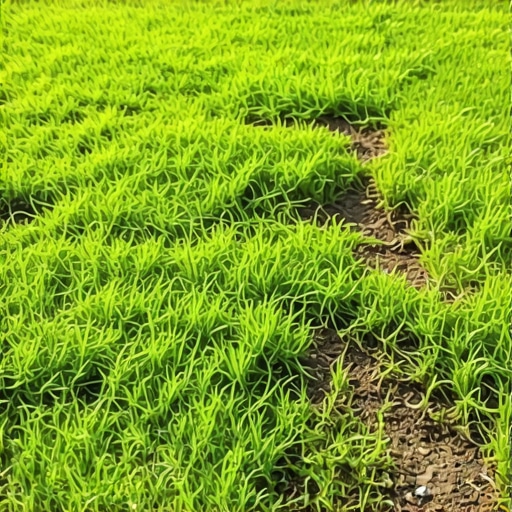
Most homeowners see a brown patch and reach for a bag of cheap seed or a roll of sod. That is a mistake. I always drill into my new crew members: if you do not fix the soil grading and chemistry first, every plant you put in the ground is just expensive compost. I have spent two decades fixing the damage caused by ‘mow and blow’ contractors who do not understand that a lawn is a living, breathing ecosystem. When you see thinning turf, you are not looking at a lack of grass; you are looking at a failure of the soil to support life. We do not just ‘fix’ lawns; we perform a forensic overhaul of the sub-surface environment.
The Forensic Diagnosis of Turf Failure
To diagnose a failing lawn, you must examine soil compaction, thatch accumulation, and nutrient lockout. These factors prevent oxygen exchange and moisture penetration at the root zone, leading to the thinning of turfgrass species like Fescue or Kentucky Bluegrass. If your soil is as hard as a brick, the roots will simply grow sideways, eventually suffocating themselves. This is known as root girdling, and it is a death sentence for any garden design or landscaping project. We look for the ‘squish’ of fungal rot or the ‘clink’ of a probe hitting compacted clay. Without addressing these structural issues, no amount of water or fertilizer will save the grass.
“Compaction is the single greatest enemy of turfgrass health, as it physically restricts root elongation and limits the diffusion of oxygen into the soil pores.” – Pennsylvania State University Agricultural Extension
The Core Aeration Mandate
Core aeration is the non-negotiable first step in lawn care for any property suffering from patchy growth. You must use a machine that pulls actual soil plugs, at least three inches in length, rather than just poking holes. Poking holes with spikes actually increases compaction around the entry point. By removing these plugs, you create a physical void that allows hydrostatic pressure to equalize and oxygen to reach the microbes that break down organic matter. This process also breaks up the thatch layer, a dense mat of dead stems and roots that can become hydrophobic, repelling the very water your lawn needs to survive.
How often should I water grass seed to get it to grow?
You must water newly broadcasted grass seed twice daily for approximately 10 to 15 minutes per zone to keep the soil surface consistently moist. Once the coleoptile (the first blade) emerges, you should transition to deeper, less frequent watering to encourage the roots to grow downward into the soil profile.
Soil Chemistry and the Cation Exchange Capacity
Most DIYers throw 10-10-10 fertilizer at a lawn and hope for the best. This is lazy and often destructive. You need to understand your Cation Exchange Capacity (CEC). This is a measure of how well your soil can hold onto essential nutrients like Potassium (K), Calcium (Ca), and Magnesium (Mg). If your pH is off, say it is below 5.5, your grass is in a state of nutrient lockout. You could put down a ton of nitrogen, but the plant cannot physically uptake it. We use pelletized lime to raise the pH in acidic soils or elemental sulfur to lower it in alkaline environments. This is chemistry, not guesswork. Proper lawn care requires a professional soil test before a single granule of fertilizer is spread.
| Grass Species | Preferred Soil pH | Sun Requirement | Best Use Case |
|---|---|---|---|
| Tall Fescue | 5.5 to 7.5 | 4 to 8 Hours | High traffic lawns |
| Kentucky Bluegrass | 6.0 to 7.0 | 6 to 8 Hours | Showpiece properties |
| Perennial Ryegrass | 6.0 to 7.0 | 6 to 8 Hours | Quick erosion control |
| Fine Fescue | 5.0 to 6.5 | 2 to 4 Hours | Deep shade areas |
The Overseeding Blueprint
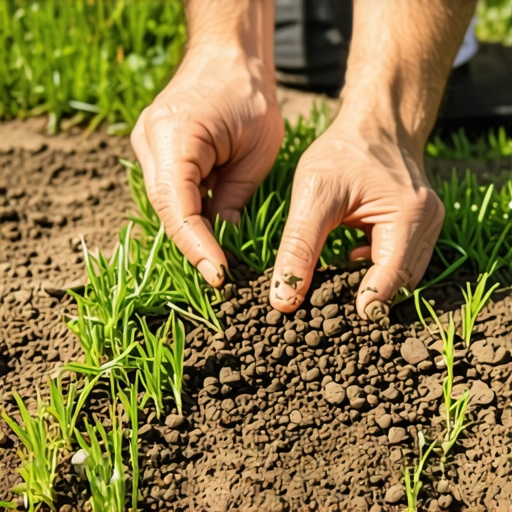
Overseeding is the process of integrating new, genetically superior turfgrass cultivars into your existing lawn. Do not buy the generic ‘Contractor Mix’ from a big-box store. Those bags are often loaded with annual ryegrass and weed seeds that will look terrible in two years. Seek out blue-tag certified seed that has been tested for purity and germination rates. For a professional finish, we use a drop spreader for the perimeter and a broadcast spreader for the open areas to ensure even coverage of approximately 6 to 8 pounds per 1,000 square feet. This ensures the garden design maintains a uniform texture and color density across the entire landscape.
What is the best time of year to fix a patchy lawn?
The optimal window for turf rehabilitation is during the early fall when soil temperatures are between 50 and 65 degrees Fahrenheit. This allows the cool-season grasses to establish a robust root system without the heat stress of summer or the competition from aggressive spring weeds like crabgrass.
Topdressing: The Secret to Long-Term Success
Topdressing is the application of a thin layer of high-quality organic matter, such as leaf compost or a sand-peat mix, over the newly seeded lawn. This is a standard practice in professional hardscaping and high-end landscaping. This layer protects the seed from birds, retains critical moisture, and introduces beneficial biology back into the soil. We typically apply a quarter-inch layer using a specialized spreader or a shovel and a leveling rake. This is back-breaking work, but it is the difference between a lawn that looks good for a month and one that stays healthy for a decade. It is about building a substrate, not just a green carpet.
- Mow the existing lawn to 1.5 inches to allow light to reach the soil.
- Remove debris and heavy thatch with a power rake if necessary.
- Execute a double-pass core aeration to maximize soil to seed contact.
- Broadcast seed at the recommended rate for your specific cultivar.
- Apply a starter fertilizer high in phosphorus to encourage root development.
- Maintain consistent moisture for 21 days until germination is complete.
“A healthy lawn is the best defense against weed encroachment, as a dense canopy of grass naturally shades out the soil, preventing the germination of opportunistic weed seeds.” – Hardscape and Turf Management Journal
Strategic Maintenance for Survival
Once your new grass is up, do not scalp it. This is the most common mistake I see. You should never remove more than one-third of the grass blade in a single cutting. Keeping the grass at 3.5 to 4 inches allows for deeper root growth and better drought resistance. If you cut it too short, you are starving the plant of its photosynthetic capacity. It will rot. It will die. You must also keep your mower blades sharp. Dull blades tear the grass, creating open wounds that are invitations for fungal pathogens. Professional lawn care is about precision and respect for the biological limits of the plant. Treat your lawn like an engineering project, and it will reward you with durability and strength. Skip the shortcuts. Put in the work. The results will speak for themselves.
![Fixing 2026 Patchy Bermuda Grass [Fast Fix]](https://lawnmajesty.com/wp-content/uploads/2026/06/Fixing-2026-Patchy-Bermuda-Grass-Fast-Fix.jpeg)
![Fix Your 2026 Brown Bermuda Grass [3 Steps]](https://lawnmajesty.com/wp-content/uploads/2026/06/Fix-Your-2026-Brown-Bermuda-Grass-3-Steps.jpeg)
![Why Fertilizer Alone Won't Fix Your Yellow Fescue [Soil Secrets]](https://lawnmajesty.com/wp-content/uploads/2026/05/Why-Fertilizer-Alone-Wont-Fix-Your-Yellow-Fescue-Soil-Secrets.jpeg)