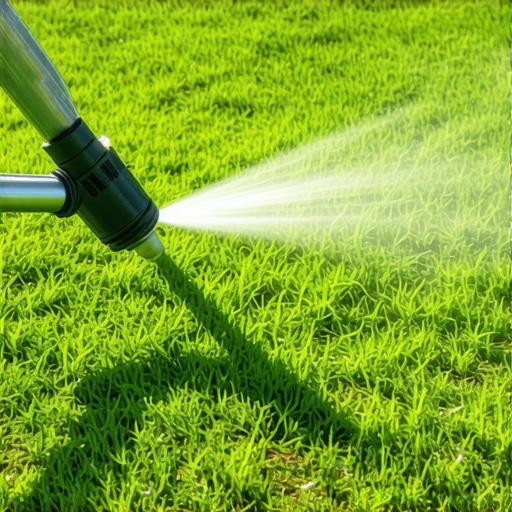
3 Best Grass Seeds for 2026 High-Heat Zones
Why High-Heat Zones Require Specialized Seed for 2026
Heat-tolerant grass seeds for 2026 must possess specific genetic traits like high thermal kinetic windows and deep rhizomatous root structures to survive rising temperatures and soil moisture deficits. Homeowners should prioritize Hybrid Bermuda, Rhizomatous Tall Fescue (RTF), and improved Zoysia cultivars to maintain ground cover and prevent soil erosion during extreme summer peaks. I have spent two decades watching lawns fail because contractors treat the dirt like an afterthought. It is not just about the seed; it is about the biology of the root zone.
The Chemical Nightmare: A Forensic Autopsy of a Failed Lawn
A homeowner called me in a panic last August after they completely torched their front lawn by applying a high-nitrogen ‘weed and feed’ during a 95-degree heatwave. When I arrived, the yard smelled like a chemistry lab and the turf was the color of straw. They had effectively salted the earth. This is what happens when you follow marketing fluff instead of agronomy. High nitrogen in high heat forces a flush of top-growth that the root system cannot support. The grass essentially drinks itself to death. We had to perform a full soil core analysis to realize the salts had spiked the electrical conductivity (EC) of the soil to levels that would kill even a cactus. I had to scrape three inches of topsoil and start from zero because the chemistry was fundamentally broken. Don’t be that guy. Understand that high-heat landscaping is an engineering challenge, not a weekend hobby.
“A lawn does not fail because of the sun; it fails because the soil chemistry cannot regulate thermal stress.” – Agronomy Manual for Professional Turf Managers
What is the best grass seed for 100-degree weather?
The best grass for 100-degree weather is Hybrid Bermuda or improved Zoysia, as these C4 carbon fixation plants thrive when temperatures exceed 85 degrees Fahrenheit. Unlike C3 cool-season grasses, these varieties use a specialized metabolic pathway that minimizes photorespiration, allowing them to remain green while others go dormant or die. If you are in a transition zone, Rhizomatous Tall Fescue is the only cool-season option that stands a chance due to its 4-foot deep root potential.
The 3 Best Grass Seeds for 2026 High-Heat Zones
In 2026, we are looking at seeds that have been bred for drought recovery and low-input maintenance. The ‘mow-and-blow’ hacks will tell you to just water more. They are wrong. You need genetics that work for you.
1. Hybrid Bermuda (Cynodon dactylon x C. transvaalensis)
Hybrid Bermuda is the gold standard for high-traffic, high-heat areas. It spreads via rhizomes and stolons, meaning it heals itself. If your dog digs a hole or the heat thins a patch, the grass moves back in like a biological carpet. It requires full sun and a sharp reel mower for best results. Keep the blade low. It loves the heat.
2. Rhizomatous Tall Fescue (RTF)
For those who want a green lawn in the winter but face 100-degree summers, RTF is the only answer. Standard fescue is a bunch-grass; it doesn’t spread. RTF has been engineered to send out underground shoots. This provides a self-repairing canopy that can access deep water tables. It is the civil engineering of the grass world. Deep roots mean less surface watering.
3. Zeon Zoysia (Zoysia matrella)
This is the ‘luxury’ grass of 2026. It feels like walking on a high-end rug. It is incredibly shade tolerant compared to Bermuda but handles heat just as well. It grows slowly, which means you mow less. However, the initial seed or sod is expensive. Think of it as a hardscaping investment rather than a temporary fix.
| Grass Type | Heat Tolerance | Water Needs | Mowing Frequency |
|---|---|---|---|
| Hybrid Bermuda | Extreme | Moderate | High (2x weekly) |
| RTF Fescue | High | High | Moderate |
| Zeon Zoysia | High | Low | Low |
How much water does heat-tolerant grass need?
Heat-tolerant grass requires exactly one inch of water per week, delivered in one or two deep sessions rather than daily light misting. This deep, infrequent watering protocol forces the roots to chase the moisture downward into the cooler sub-soil, creating a resilient turf system that can survive a week of 100-plus temperatures without wilting. Shallow watering creates shallow roots. Shallow roots lead to dead grass.
“Water management in high-heat zones must focus on evapotranspiration rates rather than simple schedules.” – Texas A&M AgriLife Extension
The Ground-Up Build: Pre-Seeding Checklist
- Soil Test: Check your pH. If it’s not between 6.0 and 7.0, your grass can’t ‘eat’ the nutrients you give it.
- Core Aeration: Pull 3-inch plugs to relieve soil compaction. Air is as important as water.
- Grading: Ensure the yard slopes 2% away from the house to prevent hydrostatic pressure and root rot.
- Top-Dressing: Use a 1/4 inch layer of organic compost to jumpstart the soil microbiology.
Maintenance Schedule for 2026 Heat Zones
Don’t scalp your lawn in July. I see it every day. You’re cutting off the plant’s photosynthetic engine. Keep it longer to shade the soil. Shaded soil stays 10 degrees cooler. That is the difference between life and death for the crown of the plant. If you follow this protocol, your yard will be the only one on the block that isn’t a brown tinderbox. Stop listening to the guy at the big-box store and start looking at the cation exchange capacity of your soil. Landscaping is science. Treat it that way.