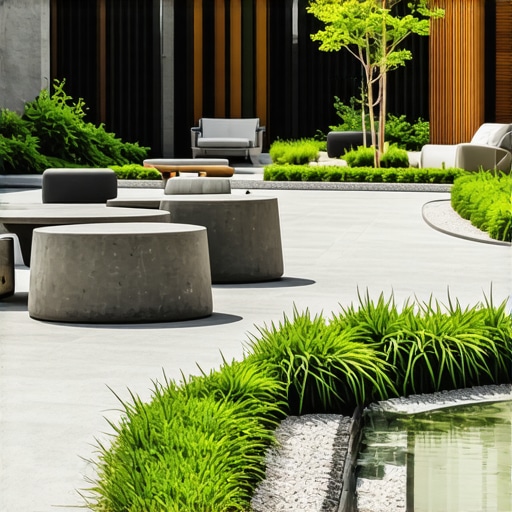
My Encounter with Modern Garden Elegance
I’ll never forget the first time I stepped into a garden that embodied contemporary design. It was during a weekend visit to a friend’s home, and I was captivated by the sleek lines, minimalist accents, and harmonious use of space. That experience ignited my passion for exploring innovative garden ideas that can truly transform outdoor spaces into personal retreats.
Why I Believe Contemporary Garden Design Matters
Over the years, I’ve come to appreciate how modern garden design isn’t just about aesthetics—it’s about creating a functional, sustainable, and inviting environment. Incorporating elements like clean geometric shapes and strategic lighting can elevate your landscape dramatically. For practical insights, I often refer to sources like Lawn Majesty, which offers excellent ideas on integrating hardscaping with lush greenery.
My Favorite Contemporary Garden Features
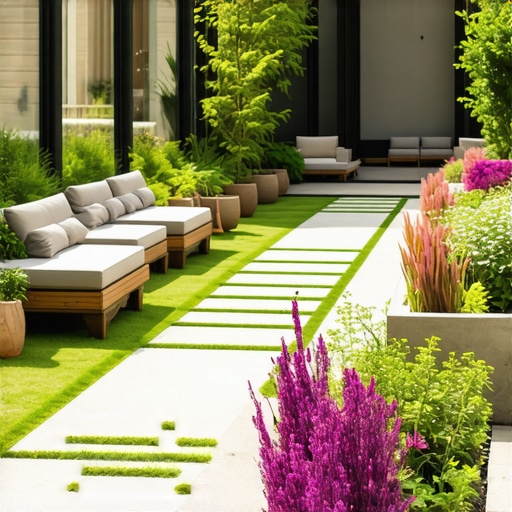
One aspect I love is the use of hardscaping to define spaces and add texture. For instance, modern patios with large-format pavers or concrete slabs create a stunning base for outdoor furniture. I also enjoy the minimalistic approach to planting—selecting native grasses and succulents that require less maintenance yet add visual interest. These elements, combined with smart lighting, make the garden feel both cozy and sophisticated.
How Can I Incorporate Personal Touches into Modern Designs?
What are some ways to balance minimalism with personal expression in a contemporary garden?
This is a question I often ask myself. I believe adding personal touches, like custom sculptures or unique planters, can infuse character into a sleek design. I once repurposed vintage furniture as garden accents, which became a conversation starter and reflected my personality. Remember, the goal is harmony—blending modern elements with your individual style to create a space that’s both trendy and meaningful.
If you’re considering a garden makeover, I encourage you to explore various ideas and adapt them to your lifestyle. Feel free to share your experiences or ask questions in the comments below—I love hearing how others are transforming their outdoor spaces!
For further inspiration, don’t miss the latest trends in modern landscaping trends, which highlight innovative hardscaping techniques that complement contemporary gardens beautifully.
How Can Hardscaping Elevate Your Contemporary Garden?
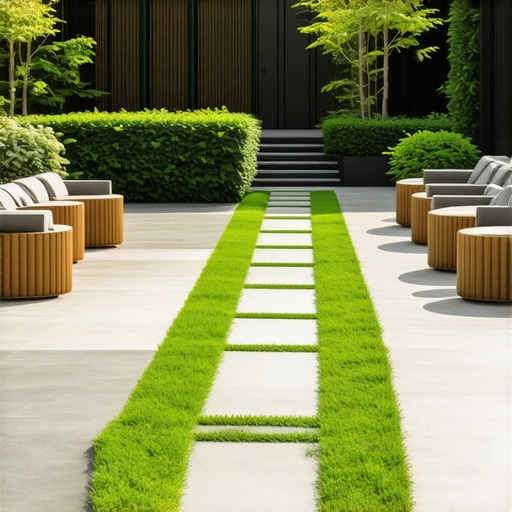
Hardscaping is the backbone of modern garden design, offering structure, texture, and visual interest. By incorporating elements like sleek patios, stone pathways, or low-profile retaining walls, you create a cohesive outdoor environment that balances aesthetics and functionality. The key is to select materials that complement your overall theme—concrete, natural stone, or even metal accents can add a contemporary edge. For innovative ideas, explore hardscaping ideas for modern spaces.”} ,{
Beyond the Basics: Personalizing Your Contemporary Garden
When I first ventured into modern garden design, I realized that the true magic lies in infusing personal stories and unique details into sleek, minimalist spaces. It’s tempting to stick solely to trendy elements like geometric planters or monochrome palettes, but what truly transforms a garden into a sanctuary is the subtle inclusion of personal artifacts and creative surprises.
For instance, I once incorporated a vintage bicycle as a garden sculpture, meticulously restoring it to serve as both art and a reminder of cherished memories. This simple act added layers of meaning and personality to an otherwise stark space, proving that personal touches can coexist harmoniously with contemporary aesthetics. I encourage you to think about what objects, colors, or themes resonate with you deeply—these can become the signature elements that make your garden uniquely yours.
The Nuance of Hardscaping in Modern Outdoor Design
Hardscaping isn’t just about laying stones or installing concrete—it’s an art form that requires understanding textures, materials, and spatial flow. As I delved deeper into this realm, I realized that the choice of materials dramatically influences the mood and functionality of the space. Natural stone, for example, offers a timeless elegance and a tactile quality that complements lush greenery, while sleek concrete can emphasize a futuristic vibe.
One lesson I learned from experimenting with different materials was the importance of contrast and cohesion. Combining a smooth, polished concrete patio with rough-hewn stone edging creates visual interest and tactile diversity. It’s also crucial to consider maintenance and climate—some materials age beautifully, while others may need more upkeep. For inspiration, exploring effective hardscaping strategies can provide valuable insights into crafting durable, stylish, and functional outdoor environments.
How Do I Achieve Balance Between Simplicity and Richness?
Is it possible to keep a modern garden uncluttered while still making it vibrant and inviting?
This is a question I pondered extensively. Achieving this balance involves thoughtful layering—using variations in height, texture, and color to add depth without overwhelming. Incorporating elements like raised planters with native grasses, or installing subtle lighting that highlights focal points, can make a space feel alive and welcoming without clutter.
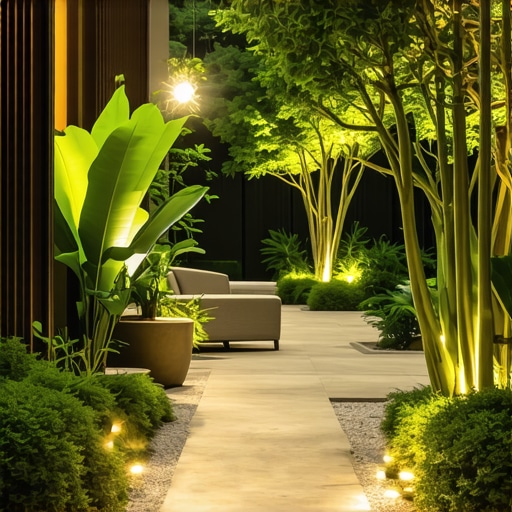
For example, I often use strategic lighting to create a warm ambiance in the evenings, which enhances the garden’s mood and emphasizes its features. Additionally, native plants and succulents are excellent choices—they demand less water and maintenance but offer striking visual appeal. The key is to curate each element carefully, ensuring it contributes to the overall harmony and personal narrative of your garden.
To further refine your approach, I recommend exploring modern landscaping trends, as they often highlight innovative techniques that blend minimalism with richness seamlessly.
Inviting Your Voice into the Garden
Designing a modern garden is an ongoing journey—one that evolves as you add new elements and reflect on your experiences. I invite you to share your stories or ask questions. What personal touches have you added to your outdoor space? Have you experimented with different hardscaping materials? Your insights can inspire others to embrace their creativity and develop gardens that truly resonate with their personalities.
Remember, the most beautiful gardens are those that tell a story—your story. Keep exploring and experimenting, and don’t hesitate to seek inspiration from diverse sources and expert advice. If you’re ready for more ideas, I recommend checking out more garden design tips to elevate your outdoor living experience.
Mastering the Art of Layered Textures in Contemporary Gardens
One of the most compelling aspects of modern garden design is the deliberate layering of textures to create visual depth and intrigue. While minimalism emphasizes clean lines and uncluttered spaces, thoughtfully integrating contrasting textures—such as smooth concrete alongside rugged natural stone—can evoke a tactile richness that captivates the senses. This nuanced approach not only enhances aesthetic appeal but also guides visitors intuitively through different zones of your outdoor space. I’ve found that experimenting with materials like polished metal planters paired with matte-finished paving stones often results in an elegant harmony that elevates the entire landscape.
Innovative Lighting Techniques for Nighttime Elegance
Lighting is a transformative element in modern garden design, capable of shifting the ambiance from day to night seamlessly. Beyond basic fixtures, I advocate for layered lighting strategies—combining uplights to highlight architectural features, downlights for pathways, and subtle accent lights to emphasize focal points. In my experience, integrating smart LED systems allows for customizable scenes that adapt to different moods or occasions. For instance, I once installed color-changing LED strips beneath water features, creating a mesmerizing glow that turned my garden into a dynamic nighttime retreat. For advanced insights, exploring modern lighting techniques can provide inspiration on elevating your garden’s evening appeal.
How Can I Personalize a Minimalist Garden Without Cluttering?
What subtle strategies can infuse personal significance into a sleek, modern landscape?
This question has long intrigued me because achieving personalization without compromising minimalism requires finesse. I often incorporate bespoke elements—such as handcrafted garden sculptures, vintage artifacts, or custom-designed furniture—that serve as conversation starters without overwhelming the visual harmony. For example, I repurposed an old bicycle as an art installation, which added character and a nostalgic touch while maintaining the garden’s streamlined aesthetic. The key is to select objects that resonate with your personal story and ensure they blend seamlessly with the overall design. Incorporating these meaningful touches transforms a purely contemporary space into a sanctuary that genuinely reflects your identity.
Deepening Hardscaping Excellence: Material Selection and Maintenance
My journey into high-level hardscaping taught me that material selection profoundly influences both the durability and mood of outdoor environments. Natural stone offers timeless elegance and develops a unique patina over time, while engineered concrete provides versatility and sleekness. When choosing materials, I prioritize those with proven resilience against local climate conditions and low maintenance requirements. For instance, in my own projects, I favor quarried granite for pathways because it ages gracefully and withstands wear. To explore more sophisticated hardscaping concepts, I recommend reviewing strategies for elevating outdoor spaces. This resource offers insights into integrating durable, aesthetically pleasing materials that stand the test of time.
Can Artistic Elements Coexist with Sustainable Practices?
Absolutely. My experience has shown that eco-conscious design and artistic expression are not mutually exclusive. Incorporating native plants, recycled materials, and water-efficient features can significantly reduce environmental impact while providing a canvas for creative expression. For example, I designed a rain garden using indigenous plants, which not only supports local biodiversity but also adds a naturalistic element to the contemporary layout. Complementing this with sculptures crafted from reclaimed materials results in a garden that is both visually striking and environmentally responsible. I encourage you to explore design tips for sustainable gardens to discover how to fuse artistry with ecological mindfulness.
If you’re inspired to elevate your garden to a new level of sophistication, I invite you to share your ideas or ask for tailored advice. Remember, the most meaningful outdoor spaces are those where personal stories, expert craftsmanship, and sustainable practices converge to create a truly unique sanctuary. Dive deeper into innovative design by exploring more advanced hardscaping ideas and bring your vision to life.
Things I Wish I Knew Earlier (or You Might Find Surprising)
1. The Power of Personal Artifacts
Early in my journey, I underestimated how small personal touches could transform a sleek, modern garden into a meaningful sanctuary. Incorporating items like vintage sculptures or heirloom plants added layers of depth I hadn’t anticipated, making the space truly mine.
2. The Balance Between Minimalism and Warmth
Striving for simplicity often led me to overlook the importance of warmth and personality. I learned that carefully selected textures and subtle color accents could make minimalistic designs inviting rather than stark.
3. The Impact of Lighting on Personal Expression
Effective lighting isn’t just functional—it’s an expressive tool. Using dimmable LEDs or color-changing lights allowed me to set different moods, reflecting my personality and the vibe I wanted for each occasion.
4. Material Choices Can Tell a Story
Choosing materials like reclaimed wood or locally sourced stones added a narrative element to my garden. These choices not only supported sustainability but also infused the space with character and authenticity.
5. Flexibility in Design Enhances Personal Connection
Creating adaptable zones—like movable planters or versatile seating—allowed my garden to evolve with my tastes and needs, keeping the space fresh and personally relevant over time.
6. The Subtle Art of Personal Storytelling
Embedding stories or memories into garden features—such as a mosaic that depicts a family trip—made the space resonate more deeply, transforming it into a living narrative of my life.
Resources I’ve Come to Trust Over Time
- Garden Design Mag: This magazine offers practical insights and inspiring visuals that have helped me refine my aesthetic sensibilities.
- Landscape Architecture Magazine: Rich in professional perspectives, it deepened my understanding of sustainable and innovative hardscaping techniques.
- Houzz: A treasure trove of real-world examples and community advice, perfect for visual inspiration and practical tips.
- Local Nurseries and Artisans: Personalized recommendations from trusted local sources often lead to unique finds that make a garden truly special.
Parting Thoughts from My Perspective
Designing a modern garden that is truly personal is an ongoing adventure. The key is to blend innovative elements like sleek hardscaping with heartfelt touches that tell your story. I’ve found that the most meaningful outdoor spaces are those where every element reflects your personality, values, and memories. If this resonates with you, I’d love to hear your thoughts or see how you’re making your outdoor space uniquely yours. Remember, the journey of garden personalization is as rewarding as the final result—so keep experimenting, and enjoy every step along the way.
,
Reading through this post, I was reminded of my own journey into modern garden design. The emphasis on personal touches really resonates with me because I found that incorporating small artifacts, like vintage planters or bespoke sculptures, adds so much character without disrupting the sleek aesthetic. I once repurposed a rusted metal chair as a focal point in my garden, and it became an instant conversation piece that also expressed my love for recycling and unique design. The challenge I often face is balancing minimalism with warmth; I want my space to be inviting yet uncluttered. For those struggling with this, layering in textures and subtle lighting can make a big difference. I’d love to hear how other enthusiasts approach adding warmth to a contemporary, minimalist setting—any tips or personal successes you’d like to share? It’s fascinating how small details can truly make a garden feel personal and welcoming.
I really enjoyed reading your insights on contemporary garden design, especially your emphasis on blending personal artifacts with sleek modern elements. I’ve found that incorporating meaningful objects, like vintage lanterns or heirloom plants, can subtly warm up a minimalist space without cluttering it. A few years ago, I repurposed some old wooden crates into stylish plant stands, which added a rustic charm and a personal touch that still harmonizes with my modern aesthetic. I’m curious—what are your thoughts on the balance between bold, statement pieces and more subtle accents? I believe that strategic placement of art or sculpture can also serve as a focal point that draws the eye and tells a story. Have you experimented with lighting techniques to highlight these personal touches effectively at night? Would love to hear more about your experiences or suggestions on maintaining harmony while adding warmth to a modern landscape.
This post really resonates with me, especially the part about infusing personal stories into modern garden designs. I think one of the most rewarding aspects of contemporary landscaping is balancing minimalism with personal expression. For example, I recently added a small, vintage watering can as a sculpture near my patio—it’s simple but adds a nostalgic touch that makes the space feel more inviting. I also love the idea of using layered textures; combining sleek concrete with rustic wood elements can create visual interest without clutter. My question is, how do others approach adding personality to very small outdoor spaces? It can be quite challenging to keep it tidy yet meaningful. Share your experiences or tips—I’d love to hear how different styles can be harmonized effectively in limited areas. Thanks for this inspiring read—it’s given me fresh ideas to consider for my own backyard renovation.
This post really made me think about how personal elements can beautifully enhance modern garden designs. I agree that blending sleek hardscaping with personal artifacts—like vintage sculptures or handmade planters—creates inviting yet sophisticated outdoor spaces. In my own experience, incorporating a small water feature with a LED-lit sculpture has been a game changer, especially when added with subtle lighting that highlights textures. I often wonder how others handle the challenge of maintaining simplicity while adding meaningful details. For example, do you prefer statement pieces that dominate or more subtle touches that quietly tell a story? I’ve found that the key is in positioning and lighting, which can make even modest objects stand out without cluttering. What are some of your favorite ways to personalize limited outdoor areas without overwhelming the overall aesthetic? It’s inspiring to see how everyone’s creativity brings new life to contemporary gardens.
Your post truly captures the essence of how contemporary garden design can be both elegant and meaningful. I completely agree that the strategic use of hardscaping, like sleek concrete and textured stones, not only provides structure but also enhances aesthetic appeal. I’ve also found that incorporating subtle lighting, especially at night, transforms the space and highlights personal touches, making them more approachable. Personally, I installed a minimalist water feature that’s discreet yet impactful, which added tranquility and a personal signature to my garden. I’d love to hear how others balance bold statement pieces versus more delicate accents—what has worked well for you in creating harmony? Also, have any of you experimented with sustainable materials for your hardscapes? I believe that blending eco-friendly choices with modern design not only benefits the environment but also adds character over time. Thanks for inspiring such thoughtful reflections on personalizing modern outdoor spaces, and I look forward to hearing everyone’s stories.
Your insights into modern garden design really struck a chord with me. I completely agree that infusing personal artifacts, like vintage sculptures or meaningful heirloom plants, can turn a sleek, minimalistic space into something truly unique and inviting. I’ve found that using layered textures—such as combining smooth concrete with rough-hewn stones or warm woods—adds both visual and tactile interest without cluttering the space. My own experience with lighting has shown how powerful it is at night; subtle, well-placed lights can highlight these personal touches and create a cozy ambiance.
I’m curious—how do you think gardeners can incorporate bold statement pieces without overwhelming a small or minimalist garden? Do you prefer a few focal points or a more subtle approach? I’d love to hear what has worked for others in balancing personality and elegance in limited outdoor areas.
I really appreciate how this post emphasizes the importance of personal stories and unique touches in modern garden design. When I renovated my own outdoor space, I found that adding handcrafted pottery and vintage ornaments not only made the space more inviting but also allowed me to express my personality within a minimalist framework. Layering textures, like combining smooth concrete with rough stone or warm wood accents, seems to be a key strategy for balancing simplicity and richness. One challenge I faced, similar to what you mentioned, was maintaining harmony without clutter, especially in a smaller yard. I’ve experimented with strategic lighting to highlight these personal elements at night, which really transforms the atmosphere. Has anyone tried integrating sustainable or recycled materials into their hardscaping, and what effects did it have on the overall aesthetic? Would love to hear about how others are adding personal touches while keeping a sleek, contemporary feel—the mix of practicality and personality is truly inspiring.