![Build a $150 2026 Cedar Garden Border for Bedding [DIY]](https://lawnmajesty.com/wp-content/uploads/2026/07/Build-a-150-2026-Cedar-Garden-Border-for-Bedding-DIY.jpeg)
Build a $150 2026 Cedar Garden Border for Bedding [DIY]
The Foundation of a Proper Border: A Master Class in Site Prep
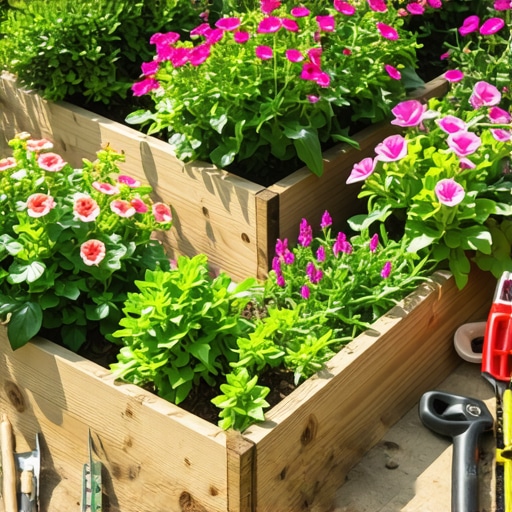
Cedar garden borders are designed to serve as a physical barrier against turf grass encroachment and as a structural containment system for nutrient-rich bedding soil. To build a $150 border that lasts until 2035, you must focus on soil grading, rot-resistant timber selection, and hydrostatic pressure management to prevent bowing and rot. I always drill into my new crew members: if you don’t fix the soil grading first, every plant you put in the ground is just expensive compost. This lesson was learned the hard way 15 years ago on a hillside project where we skipped the leveling phase. Two weeks later, a heavy rain washed $4,000 worth of perennials into the neighbor’s pool because the border acted like a dam instead of a drain. Grading isn’t a suggestion; it is a law of physics. If you are building a border in 2026, you are likely dealing with higher material costs, so every cut must be precise. Don’t waste timber. Measure twice, cut once, and always seal your end-cuts. Most DIYers think cedar is immortal. It isn’t. Without proper ground clearance and a gravel capillary break, the thujaplicins in the wood—the natural oils that repel bugs—will eventually succumb to constant moisture. [IMAGE_PLACEHOLDER]
“A retaining wall or garden border doesn’t fail because of the stone or wood; it fails because of the water trapped behind it.” – Hardscape Engineering Axiom
How much modified gravel do I need for a garden border?
For a standard 50-linear-foot cedar border, you should plan for at least 0.5 cubic yards of #57 clean stone or modified gravel to create a 2-inch deep base. This prevents the wood from sitting in standing water, which is the primary cause of premature fungal decay in softwoods like Western Red Cedar. Rough-sawn cedar is the professional’s choice here. It is thicker than the planed boards you find at big-box retailers. Thicker wood means less warping. You want 2×6 boards for a substantial visual weight. If you use 1×4 material, it will look like a toy. It will bow. It will snap when your string trimmer hits it. We are building for durability, not just aesthetics.
What is the best wood for a garden border in 2026?
Western Red Cedar (Thuja plicata) remains the industry standard for 2026 garden bedding due to its high concentration of tannins and oils that naturally resist decay and insect infestation. Unlike pressure-treated lumber, cedar does not leach copper-based fungicides into your organic vegetable soil, making it the only logical choice for food-grade bedding.
| Material Item | Specifications | Estimated 2026 Cost |
|---|---|---|
| Cedar 2x6x8 Boards | Rough Sawn / Kiln Dried | $95.00 (5 boards) |
| Cedar 2×2 Stakes | 18-inch length | $25.00 (12 qty) |
| Stainless Fasteners | 3-inch Deck Screws | $18.00 (1lb) |
| #57 Clean Stone | Drainage Base | $12.00 (4 bags) |
Engineering the Trench: Step-by-Step Installation
The trenching phase is where the longevity of your hardscaping project is decided, requiring a depth that accounts for both the gravel base and 1/3 of the board’s height. By burying a portion of the cedar, you create a root barrier that stops invasive rhizomes from creeping into your beds. Dig a trench 4 inches wide and 4 inches deep. Use a flat-head spade. Don’t use a round shovel. A flat spade keeps the trench walls vertical, which provides lateral support for the wood. Check for utility lines. Call 811. Don’t be the guy who cuts the fiber optic line for a flower bed. It is embarrassing. Once the trench is clear, dump your gravel. Level it. Tamp it until the tamper literally bounces off the surface. If the base is soft, the border will sink. This creates ‘dips’ where water pools. Pooling water is a death sentence for cedar. After the gravel is set, place your first board. Use a 4-foot level. If it isn’t level, the entire run will look like a roller coaster.
The Master Landscaper Checklist for Border Installs
- Verify soil pH levels before backfilling (Cedar likes 6.0 to 7.5).
- Ensure all fasteners are stainless steel to prevent black tannin staining.
- Space stakes every 4 feet to prevent lateral bowing.
- Pre-drill all holes to prevent splitting the cedar grain.
- Apply a clear UV-rated sealer to the end-grains only.
- Grade the interior soil 1 inch below the top of the border.
Thermal Expansion and Fastener Logic
Wood is a biological polymer that expands and contracts based on ambient humidity and soil moisture content, requiring specific fastening techniques to avoid structural shear. If you screw the boards too tightly together without accounting for expansion, the screws will eventually snap or the wood will split at the ends. Leave a 1/16th inch gap between butt-joints. This is the ‘breathing room.’ Use two screws per stake. One high, one low. This prevents the board from twisting.
“Soil is a living organism, and its movement under freeze-thaw cycles exerts hundreds of pounds of pressure per square foot against any vertical barrier.” – Agronomy Manual 402
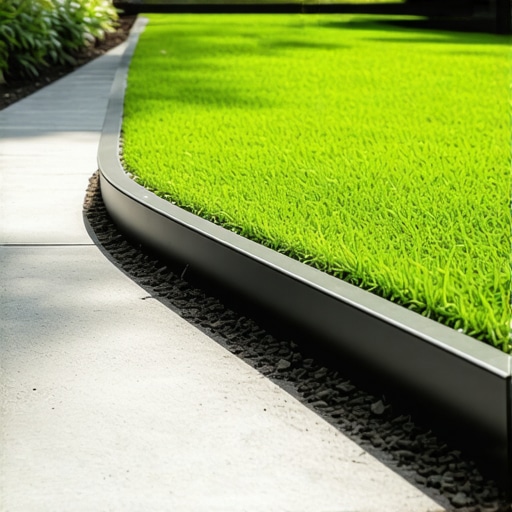
Many DIY guides suggest using galvanized nails. They are wrong. The acids in cedar eat through galvanization in less than five years. You will see black streaks. Then the heads will pop off. Spend the extra money on 304-grade stainless steel screws. They are non-reactive. They will outlast the wood. Also, consider the thatch layer of your lawn. If your border is flush with the grass, the grass will grow right over it. The border should sit at least 2 inches above the grass line. This allows for a clean mechanical edge with a string trimmer. It also keeps the wood away from the constant moisture of the turf. Your garden design is only as good as its maintenance. Once the border is in, backfill the outside with the native soil. Pack it tight. This creates a seal. On the inside, use a high-quality compost-loam mix. Do not use cheap ‘garden soil’ in a bag. It’s mostly peat and it will shrink. You want mineral density. You want drainage. You want a border that commands respect. “,