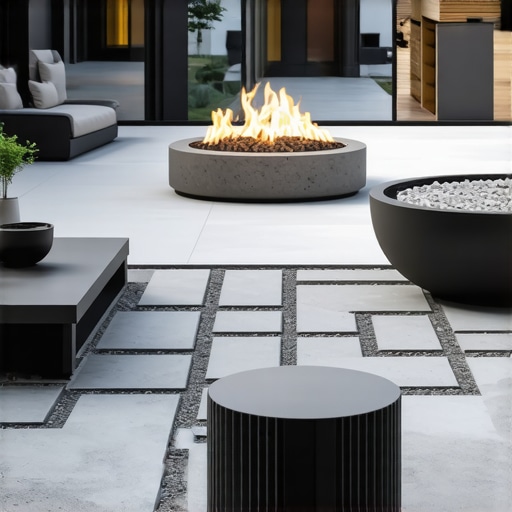
I remember the exact moment I realized my backyard was a complete disaster. It was a sweltering summer evening, and I was trying to enjoy a quiet dinner outside. Suddenly, a gust of wind blew over a loose paver, and I watched in horror as my carefully curated outdoor space turned into a pile of uneven stones and cracked concrete. That lightbulb moment made me understand how crucial hardscaping is to creating a functional and beautiful outdoor environment.
Fast forward to today, and I’ve made it my mission to master the art of outdoor transformation. If you’re like me, you’ve probably faced the frustration of trying to update your yard but feeling overwhelmed by where to start. The good news? There are innovative and stylish hardscaping ideas that can turn your outdoor space into a modern oasis—without breaking the bank or losing your mind. In this post, I’ll share proven strategies and creative tips to help you craft a stunning outdoor makeover in 2025 that’s both durable and eye-catching.
Why Hardscaping Matters More Than Ever in 2025
In recent years, outdoor living has become a vital extension of our homes. According to a recent survey by the National Association of Landscape Professionals, nearly 70% of homeowners are investing in their outdoor spaces to enhance their quality of life and curb appeal. But what makes hardscaping so essential? Unlike plants and lawns, which require ongoing maintenance and seasonal adjustments, hardscape features provide a reliable backbone for your landscape—think patios, walkways, retaining walls, and fire pits that last for decades.
Furthermore, with climate change leading to unpredictable weather patterns, durable hardscaping solutions are more critical than ever. They prevent erosion, reduce water runoff, and create versatile outdoor zones for entertaining, relaxing, or even working from home. An effective hardscape not only elevates your property’s aesthetic but also boosts its value—some estimates suggest a return on investment of up to 100% when done correctly.
If you’ve faced the challenge of designing an outdoor space that withstands the test of time and looks modern, you’re not alone. Many homeowners make common mistakes early on, like choosing the wrong materials or overlooking the importance of proper planning. I’ll walk you through how to avoid these pitfalls and implement cutting-edge ideas that will make your outdoor area the envy of the neighborhood.
Is Hardscaping Actually Worth the Hype?
Early in my journey, I made the mistake of rushing into a DIY project without research. I picked cheap materials that cracked after one season, which was a costly lesson. The truth is, investing in quality hardscaping not only saves money in the long run but also creates a seamless look that complements your landscape design. For more expert advice on selecting the right materials and planning your project, check out Effective Hardscaping Strategies.
Now that you understand the significance of hardscaping, let’s explore some innovative ideas that will help you craft a modern, functional, and stunning outdoor space in 2025. From sleek paver patterns to minimalist retaining walls, I’ll share actionable tips to guide your transformation journey.
Start with a Clear Plan and Design
My first step was sketching out my backyard on graph paper, identifying zones for dining, lounging, and garden beds. This blueprint served as my roadmap, ensuring I visualized the space comprehensively before buying materials. Think of this step as creating a blueprint for a building — it prevents costly mistakes and helps align your vision with reality. Use online tools or consult with a landscape designer to refine your design and incorporate trending hardscaping ideas for 2025.
Select Durable, Stylish Materials
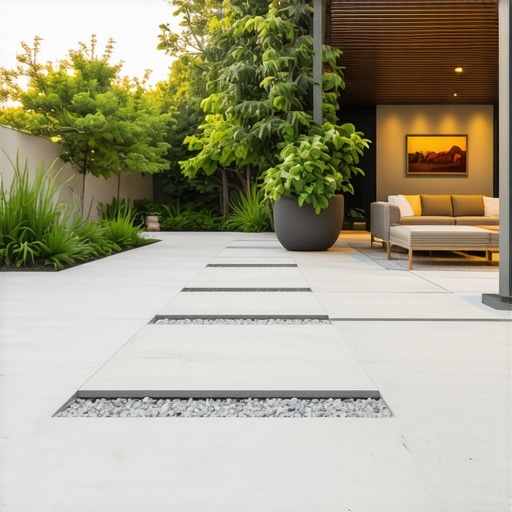
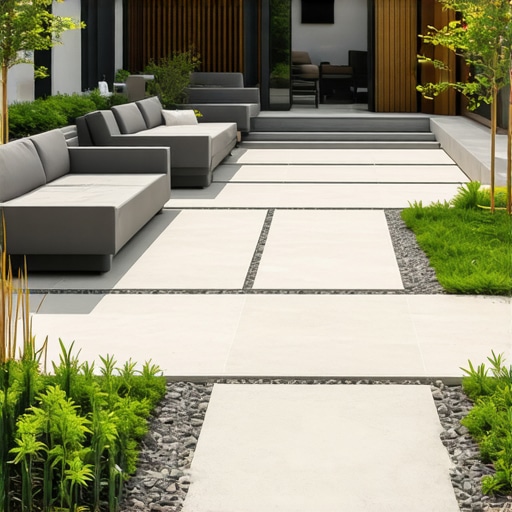
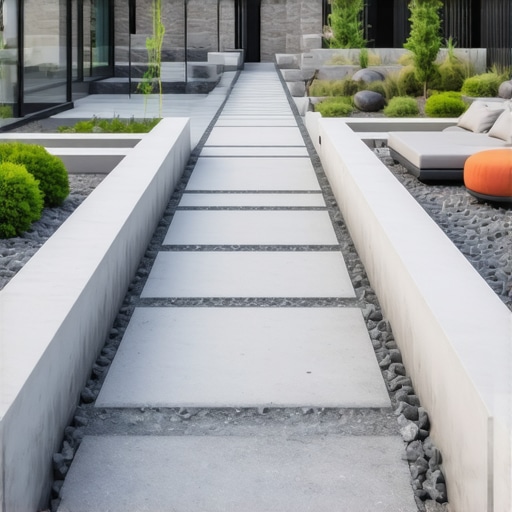
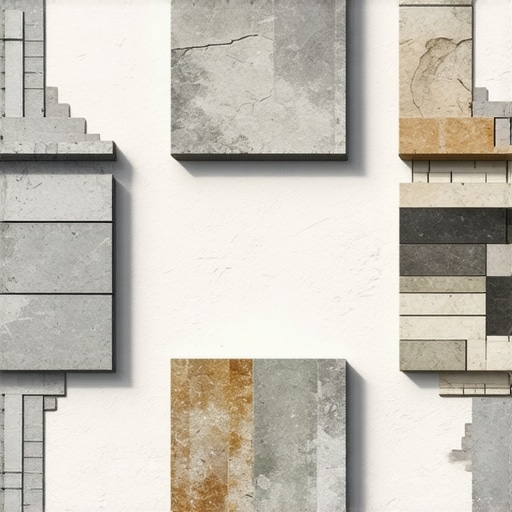
Choosing the right materials is crucial. I opted for modern concrete pavers with a sleek, matte finish that mimic natural stone but are more affordable and easier to install. For retaining walls, I chose modular block systems that are lightweight yet strong, offering a minimalist aesthetic. Remember, quality materials like stamped concrete, porcelain tiles, or natural stone can withstand weather and foot traffic, saving you money in the long run. When I initially went cheap, my patio cracked after only one season, reinforcing the importance of investing in quality. To explore more options, visit effective hardscaping ideas for 2025.
Prepare the Site Properly
Before laying any material, I had to prepare the ground meticulously. I removed grass and debris, then leveled the soil using a rented plate compactor. Proper base preparation is like laying a foundation for a building — it ensures stability and longevity. For softer soils, add gravel or crushed stone as a sub-base to improve drainage and prevent shifting. I also marked out the layout with string lines to keep everything aligned. Skipping this step causes uneven surfaces and costly corrections later. Consider using a laser level for precision. For detailed site prep techniques, check modern hardscaping ideas for 2025.
Lay Out and Install Hardscape Features
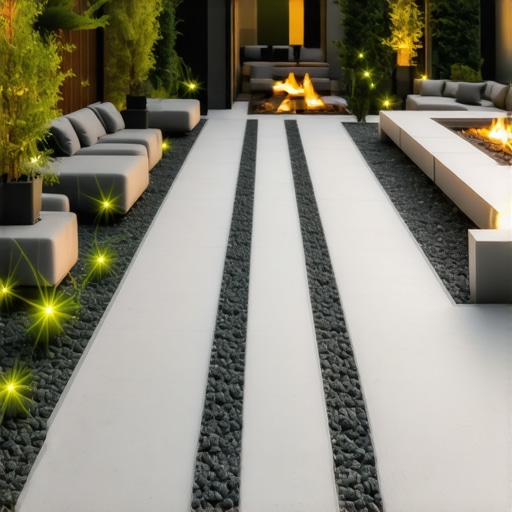
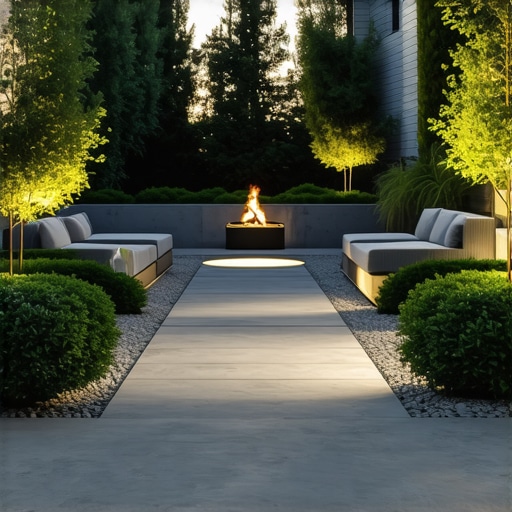
With the site prepared, I started laying the pavers. I used a sand bed to level the stones, tapping each into place with a rubber mallet. Think of this as assembling a giant puzzle — each piece must fit snugly to prevent movement. Use a level frequently to maintain flatness. For retaining walls, I stacked modular blocks and used a level to keep them straight. Filling the gaps with polymeric sand and sealing the surface enhanced durability and prevented weed growth. I also incorporated modern fire pits and seating areas, blending functionality with style. To see detailed installation tips, visit hardscaping trends 2025.
Incorporate Edging and Lighting for a Polished Look
To give my project a clean finish, I added edging around the patio with metal or plastic strips, preventing pavers from shifting over time. Lighting was the game-changer — I installed low-voltage LED lights along pathways and feature areas, creating a warm ambiance after sunset. This step is like adding jewelry to an outfit — it elevates the overall aesthetic and adds safety. Think about solar-powered options for eco-friendliness and ease of installation. For more ideas on modern outdoor lighting, see modern hardscaping ideas in 2025.
Finish with Functional and Decorative Elements
Finally, I enhanced my hardscape with sleek furniture, modern planters, and fire pits. These elements define zones and add personality. Use weather-resistant materials like aluminum or treated wood for longevity. Incorporate greenery with low-maintenance plants that complement your hardscape, creating a balanced, inviting environment. This step is akin to accessorizing an outfit — it personalizes your space and makes it truly yours. For more inspiration, explore innovative garden design ideas for 2025.
Many homeowners enter the world of hardscaping with a set of assumptions that can lead to costly mistakes or missed opportunities. Let’s dig deeper into some of the most pervasive misconceptions and reveal the hidden nuances that can elevate your outdoor project from good to exceptional.
Myth 1: Cheap Materials Save Money in the Long Run
It’s a common belief that opting for budget-friendly materials will save you money, but this is often a false economy. Low-cost pavers or concrete blocks tend to crack, fade, or shift over time, leading to frequent repairs or replacements. High-quality materials like natural stone or engineered concrete pavers, although initially more expensive, offer durability and longevity—saving you thousands in maintenance costs. An expert approach involves selecting materials that match your climate and usage patterns, which can significantly increase your hardscape’s lifespan. For an in-depth look at choosing the right materials, visit effective hardscaping strategies.
Myth 2: All Hardscaping Is Visually Similar
Many believe that hardscaping features are limited to standard concrete slabs or brick pathways. However, modern trends in 2025 emphasize sleek, minimalist designs with innovative textures and patterns. Techniques like herringbone pavers, stamped concrete with artistic finishes, or geometric retaining walls add visual interest and sophistication. This nuance is often overlooked, but understanding the variety of materials and installation techniques allows you to craft a truly unique outdoor space. Explore hardscaping trends 2025 for creative inspiration.
Common Pitfall: Overlooking Drainage and Site Prep
One of the most crucial but often underestimated steps is proper site prep. Failing to address drainage issues or build a stable base can lead to uneven surfaces, weed invasion, and structural failure. For instance, neglecting to incorporate a gravel sub-base or to grade the land properly can cause your hardscape to shift or crack over time. This mistake can be costly and frustrating, especially if you have to redo the work after a few seasons. Always invest in thorough site assessment and preparation, and consider consulting a professional if you’re unsure. For detailed site prep techniques, see modern hardscaping ideas.
Why Advanced Planning Matters: How to Future-Proof Your Hardscape
Advanced homeowners consider future needs like adding lighting, incorporating smart irrigation, or expanding zones. The secret to a resilient hardscape lies in planning for these upgrades from the start. For example, embedding electrical conduits for lighting or installing drainage channels during initial construction saves money and avoids disruptive modifications later. This proactive approach is often overlooked but is essential for creating a truly modern outdoor space. To learn more about future-proofing your hardscape, check effective ideas for 2025.
Keeping your hardscape in top condition requires the right tools and a proactive maintenance routine. After investing time and resources into creating a stunning outdoor space, it’s vital to ensure its longevity and continued beauty. In this post, I’ll share the specific tools I rely on and the maintenance strategies that keep my outdoor features functioning flawlessly over time.
Tools I Recommend for Hardscape Maintenance
One of the most effective tools I’ve found is a **plate compactor**. This device is essential during initial site preparation and periodic updates, especially when installing new pavers or fixing uneven surfaces. I personally use a **Vibratory Plate Compactor** from Wacker Neuson because it offers reliable power and durability, making it easier to achieve a level base and secure pavers without excessive effort. Proper compaction prevents shifting and cracking, extending the lifespan of your hardscape.
Next, I swear by a **high-quality pressure washer**. A model like the **Sun Joe SPX3000** is perfect for removing dirt, moss, and algae buildup that can deteriorate surfaces over time. Regular cleaning with a pressure washer keeps your pavers and concrete looking fresh and prevents weed invasion. Remember to use the appropriate nozzle and pressure settings to avoid damaging delicate finishes.
For detailed joint maintenance, I recommend a **polymeric sand** applicator and a **brush**. Applying polymeric sand and then activating it with a gentle water spray helps prevent weed growth and insect infestation in the joints. Over time, I reapply this every couple of years to maintain a tight, weed-free surface.
Long-Term Maintenance Strategies
Consistent inspection is key. I schedule a bi-annual walk-through to identify and address any shifting, cracks, or weed intrusion early. Using a **laser level** during these inspections ensures that surfaces remain flat and even, which is crucial for preventing further damage.
In addition, I always keep a supply of **sealant** suitable for my materials—natural stone or stamped concrete. Sealing surfaces every 3-5 years protects against staining, weathering, and UV damage, especially in climates with heavy rainfall or intense sun. For example, I use a penetrating sealer from **Miracle Sealants** that enhances durability without altering the natural look of the stone.
How Do I Maintain Hardscaping Over Time?
Adopting a proactive maintenance routine and using the right tools prevents small problems from becoming costly repairs. For instance, regular cleaning with a pressure washer and reapplication of joint sand keep surfaces looking new and functional. Additionally, inspecting drainage systems ensures water flows away from your structures, preventing erosion and shifting.
Looking ahead, the integration of **smart irrigation systems** and **sensor-based lighting** will become increasingly important in maintaining and enhancing hardscapes. These systems reduce manual effort and optimize water and energy use, aligning with sustainable landscaping trends.
If you want to elevate your hardscaping game, I highly recommend trying advanced joint maintenance tips like reapplying polymeric sand with a vibrating plate compactor to ensure a tight fit. This simple step can dramatically improve the durability and appearance of your outdoor space, making future repairs less frequent and less costly.
Uncovering the Hidden Truths Behind Hardscaping Success
One of the most valuable lessons I learned was that rushing the planning phase can lead to expensive mistakes. I once skipped detailed site assessment and paid the price with uneven surfaces and weed invasion. Now, I understand that taking the time to analyze drainage, soil type, and future expansion options is crucial for long-term durability.
Another insight was that high-quality materials are an investment, not an expense. I initially chose cheaper pavers, only to replace them after a few seasons. Choosing engineered stone or premium concrete pavers has saved me money and stress, reinforcing the idea that quality truly pays off in hardscaping projects.
The third lesson was about lighting and finishing touches — they transform a good hardscape into a stunning outdoor oasis. Subtle LED pathway lights and modern edging give the space a polished, inviting look that makes all the difference, especially at night.
My Go-To Resources for Hardscaping Excellence
For anyone serious about elevating their outdoor space, I recommend exploring Effective Hardscaping Strategies. This site offers reliable insights into selecting durable materials and planning for longevity.
Another must-visit is Hardscaping Trends 2025, which keeps me updated on the latest design ideas and innovative techniques that can set your project apart.
For tools, I swear by the Vibratory Plate Compactor and a quality pressure washer — essentials for a professional finish and long-lasting results. These tools make the difference between a mediocre job and a truly resilient, beautiful hardscape.
Your Next Step in Creating an Outdoor Sanctuary
Now is the perfect time to start your hardscaping journey. Whether you’re updating a small patio or redesigning your entire yard, remember that thoughtful planning, quality materials, and attention to detail are your best allies. Embrace the process and enjoy watching your outdoor space evolve into a modern sanctuary that you’ll cherish for years to come.
What’s the first hardscaping feature you’re excited to try? Share your plans below — I’d love to hear about your outdoor transformation dreams!
Reading this post really resonated with me, especially the part about site preparation and choosing durable materials. I’ve recently started my own hardscaping project and underestimated the importance of proper groundwork. I learned the hard way that skipping a thorough site assessment can lead to uneven surfaces and weed problems down the line. It’s such a vital step to prevent costly repairs later on. I also agree with the emphasis on quality materials — I initially went for more affordable options but ended up replacing some after just one season. Now I wish I had invested in better materials from the start. Have others here found certain brands or types of pavers that offer the best durability for a reasonable price? I’d love some recommendations to enhance the longevity of my outdoor space.
This post really hits home for me, especially the part about site preparation and choosing high-quality materials. I’ve learned through my own projects that rushing the foundation can lead to so many headaches down the line. As someone who’s experimented with different paver brands, I’ve found that natural stone, although pricier initially, tends to hold up better over time compared to some engineered concrete options, especially in climates with freeze-thaw cycles.
That said, I’d love to hear from others about affordable yet durable brands or types of pavers they’ve had success with. Also, I’m curious—how do you handle repairs or replacements in older hardscapes? Do you match the original materials or go for a more modern update? Sharing your experiences could really help newcomers navigate their options without overspending. Hardscaping is certainly an investment, but with good planning and quality choices, it’s worth every penny to create a lasting, stylish outdoor space.
I really appreciate this detailed insight into hardscaping! It’s clear that success really hinges on good planning and quality materials. I’ve personally found that when I skimp on site prep, I regret it later, especially with shifting stones and weed invasion. The part about future-proofing the design caught my eye—installing conduits for lighting or irrigation during the initial build can save a lot of headache later. Do you have tips on how to spot high-quality materials that are cost-effective? I’ve noticed some brands seem promising but aren’t always consistent in durability.