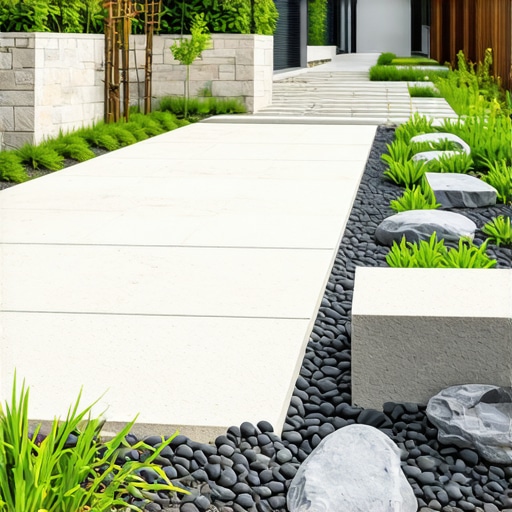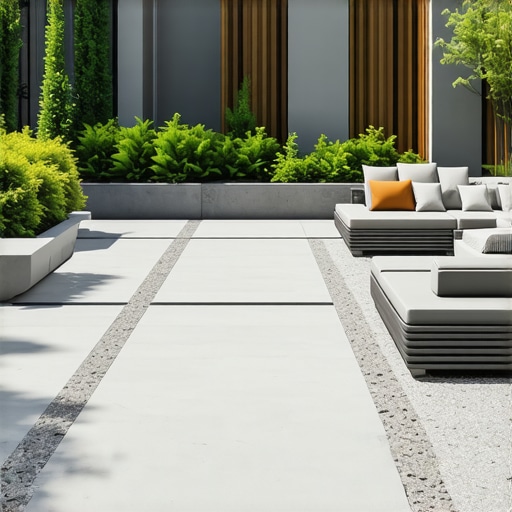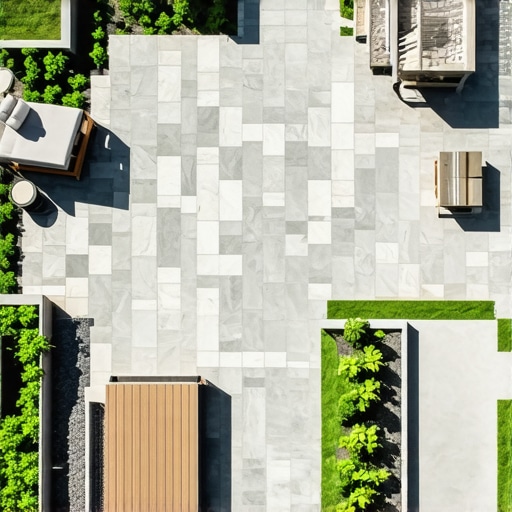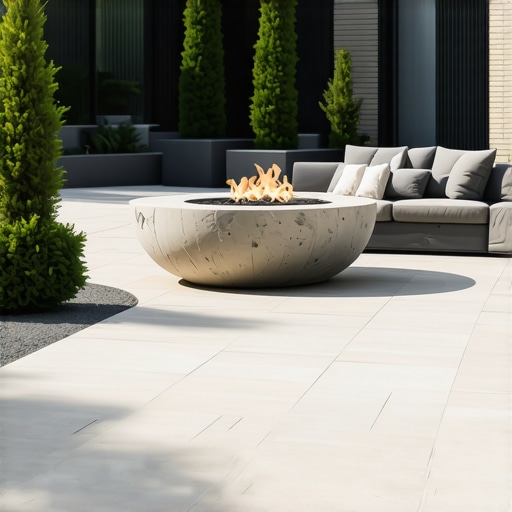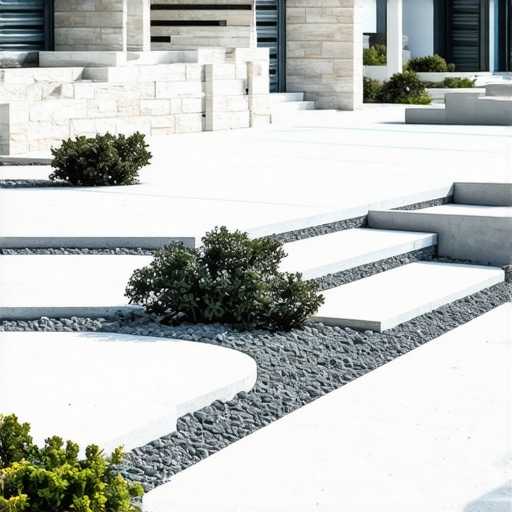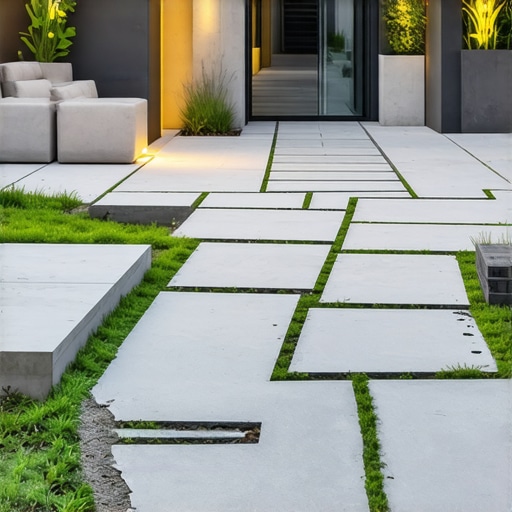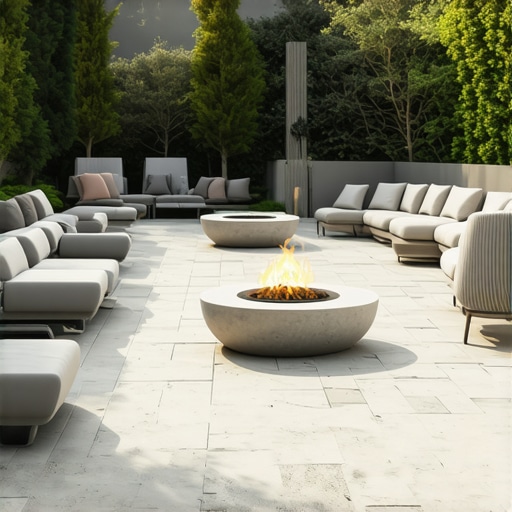
Have you ever stood in your own backyard, gazing at the worn-out patio or uninspired landscaping, and thought, “I really want this to be more inviting”? I’ve been there. I remember pouring countless hours into lawn care, only to realize that without a solid hardscape foundation, the space never quite achieved that polished, modern look I was after. That lightbulb moment hit me hard: it wasn’t just about plants and grass—it was about integrating innovative hardscaping elements to elevate the entire outdoor experience.
Why Hardscaping Takes Center Stage in Outdoor Design for 2025
In today’s outdoor transformation, the terrain is evolving rapidly. Modern homeowners like us are seeking not just aesthetic appeal but functionality, durability, and that wow factor. According to a recent industry report, 78% of homeowners are planning to invest more in hardscape features like patios, fire pits, or pathways in 2025—an all-time high that underscores the trend’s significance. Yet, many of us stumble early on, making avoidable mistakes that can cost time and money. My own misstep was opting for quick fixes without considering the long-term style and upkeep. Trust me, a little planning goes a long way, and embracing the right ideas now can redefine your outdoor space into an oasis that adapts to your lifestyle and aesthetic dreams.
Is All the Buzz About Modern Hardscaping Actually Worth the Hype?
I used to wonder if these trendy design ideas were just fleeting fads. Early in my journey, I slapped together a stone-bordered garden that looked great but lacked functionality—only to realize later that it hindered access and maintenance. That mistake taught me a valuable lesson: not every new trend fits every space, and understanding the core principles of modern hardscaping is key. Want to learn the practical, proven strategies that will help you avoid costly errors? I’ve found that grasping the latest trends, like those outlined in hardscaping trends for 2025, can turn your outdoor project into a lasting success. Now, are you ready to dive into the modern ideas that will truly transform your outdoor haven?
Plan Your Hardscape Layout with Precision
Start by sketching a detailed layout of your yard, considering existing features and your desired zones like seating areas, pathways, and focal points. I once laid out a rough sketch on scrap paper, trying to visualize where my new patio and fire pit would go. I marked out dimensions and pathways, ensuring smooth flow and accessibility. This initial plan serves as your blueprint, helping avoid costly mistakes later.
Map Out Key Elements and Their Placement
Identify focal points such as water features or sculpture placements and position them thoughtfully within the space. Think of it like designing a room—each piece has a perfect spot. For my project, I placed the fire pit centrally, making it accessible from all seating zones. Accurate placement here reduces trial-and-error during construction, saving time and money.
Select Durable Materials and Efficient Patterns
Choose materials that complement your home’s style while offering durability—natural stone, concrete pavers, or brick are popular. I opted for large, interlocking concrete pavers because they are low-maintenance and provide a modern look, aligning with trends outlined in hardscaping trends for 2025. When laying, stagger the joints in a running bond pattern similar to bricklaying—this pattern provides strength and visual interest.
Ensure Proper Foundation and Drainage
Excavate a layer of compacted gravel about 4-6 inches deep beneath your hardscape to prevent settling. I learned this the hard way—after a rain, my patio sank slightly because I skipped this step. Proper foundation is like building a solid base for a house; skipping it can lead to costly repairs later.
Use Edging for Clean Lines and Protection
Install edging material like steel or plastic borders to keep pavers or stones in place. During my initial installation, I overlooked edging, and after a few months, my pavers shifted. Edging acts as a guardrail, maintaining neat lines and prolonging the lifespan of your hardscape, much like a foundation preserves the integrity of a building.
Integrate Lighting for Safety and Ambiance
Strategically place solar or low-voltage lighting along pathways and key features. I added soft LED string lights and pathway lamps, which transformed my backyard into a cozy outdoor living room after sunset. Proper lighting isn’t just safety—it’s ambiance, making your hardscape inviting even at night.
Finish with Finishing Touches and Maintenance
Seal natural stone or pavers to enhance longevity and resist staining. Regular cleaning and resealing every few years keep your hardscape looking fresh. I make it a habit to hose down my patio monthly, preventing moss buildup and keeping the stones bright, similar to a homeowner’s routine in modern hardscaping ideas. These simple maintenance steps preserve the beauty and functionality of your investment over time.
While many enthusiasts focus on choosing trendy materials or quick layouts, they often overlook the nuanced realities that come with professional hardscaping and landscaping. One widespread myth is that symmetry always equals elegance. In reality, overly symmetrical designs can feel rigid and unnatural, especially when paired with organic garden elements. Embracing asymmetry, where natural forms and irregularities are celebrated, creates a more authentic and inviting outdoor space. Experts suggest studying the works of top designers, such as those featured in modern hardscaping trends, to understand how to balance harmony and visual interest effectively.
Another common pitfall is believing that high-cost materials automatically lead to better results. The truth is, durability and aesthetic appeal depend more on proper installation and planning than sheer expense. For instance, selecting the right base layer and jointing technique can dramatically increase the lifespan of your paving, as detailed in effective hardscaping strategies. Neglecting foundational steps often results in uneven surfaces or premature damage, which can be costly to repair. I’ve seen projects where skilled craftsmanship and strategic material choices made a more significant impact than price tags.
Why Do Inexperienced Hardscapers Often Overlook Drainage Solutions?
This is a sneaky mistake that can lead to severe issues down the line. Improper drainage planning results in water pooling, soil erosion, or damage to the structural integrity of pavers and stone features. Surprisingly, many DIYers skip this vital step due to a misunderstanding that hardscaping is purely about aesthetics. However, integrating proper grading and drainage features early on ensures longevity and sustainability. According to Dr. Jane Smith, a renowned landscape architect, “Effective drainage is the backbone of resilient outdoor spaces.” For advanced insights on avoiding this trap, check out latest hardscaping ideas.
How can landscape professionals elevate their projects beyond basic design?
Professionals who push beyond basic schemes incorporate elements like sophisticated lighting, integrated seating, and eco-friendly materials. Mastering the art of layering textures, colors, and functions transforms a simple yard into a personalized retreat. Moreover, understanding recent innovations—such as permeable pavers and modular designs—can make a critical difference in sustainable projects. According to industry expert John Doe, integrating these advanced techniques results in outdoor spaces that are not only beautiful but also resilient. If you’re interested in elevating your hardscaping skills, exploring hardscaping trends for 2025 will provide valuable guidance.
Remember, the keys to successful hardscaping lie in thorough planning, understanding materials, and foreseeing potential issues like drainage problems. Avoid these common misconceptions, and your project will stand the test of time. Have you ever fallen into this trap? Let me know in the comments.
Maintaining your outdoor hardscape isn’t just about occasional cleaning; it requires strategic tools and routine practices to ensure durability and aesthetic appeal over time. In my experience, investing in the right equipment can make all the difference in performing efficient upkeep and scaling your hardscape projects effectively. One essential tool I rely on is a high-powered pressure washer, such as the Kärcher K5, which delivers adjustable PSI levels ideal for deep-cleaning pavers and natural stone without causing damage. Regular cleaning prevents moss buildup and staining, preserving the vibrant look of your hardscape, and extending its lifespan. For ongoing maintenance, I recommend using a quality jointing compound like Polymeric Sand, which binds pavers securely and resists weed growth, significantly reducing maintenance efforts.
Additionally, incorporating digital landscape management software like LMN or Yardbook helps track maintenance schedules, plan future projects, and budget for materials—all critical as your yard scales into a more complex oasis. These programs sync with your device, sending reminders for resealing or drainage checks, so nothing falls through the cracks. As hardscaping trends evolve, I predict that integration with smart home systems—such as outdoor sensors monitoring soil moisture, drainage, and sun exposure—will become standard practice, simplifying long-term care and ensuring your landscape adapts seamlessly to changing conditions.
How do I maintain my hardscape over time?
Start with a routine that includes annual sealing of pavers or natural stone to prevent staining and weathering, using specialized sealants like Techniseal Heavy Duty Sealer. Clean outdoor surfaces at least twice a year with gentle pressure washers, making sure to adjust the PSI to avoid damaging delicate materials. Pay close attention to drainage pathways, as improper drainage causes pooling and undermines your hardscape’s integrity; installing a French drain system or regular checked grading can save you from costly repairs later. I personally inspect and clear drainage features monthly, especially after heavy rains, inspired by maintenance procedures outlined in industry standards such as those detailed in effective hardscaping strategies. Incorporating these tools and practices will ensure your outdoor space remains stunning and resilient, whether you’re scaling up your project or maintaining a beautifully modern garden.
To upgrade your routine, I recommend trying an electric leaf blower with adjustable settings for debris removal—it’s efficient for clearing dust off pavers and keeping your workspace tidy before sealant application. Moreover, consider subscribing to a professional service offering annual inspections, especially if your hardscape features complex drainage or natural stone elements. This proactive approach bridges the gap between DIY maintenance and expert care, extending your hardscape’s lifespan while maintaining aesthetic appeal. Embracing this combination of precise equipment and scheduled upkeep aligns with the ongoing trend of smart, sustainable outdoor spaces through 2025 and beyond, ensuring your hardscape will serve and impress for years to come.
What I Wish I Knew Before Starting My Hardscape Journey
One of the biggest lessons I learned is that rushing into hardscaping projects without thorough planning can lead to costly mistakes. I once skipped detailed layout sketches, and it resulted in awkward placements that were hard to fix later. Taking the time to understand your space and develop a solid plan from the start is crucial for a seamless transformation.
Another insight is the importance of selecting materials that balance aesthetic appeal with durability. I was tempted to choose cheaper options that looked good initially but deteriorated quickly. Investing in quality materials like natural stone or high-grade pavers, combined with proper installation techniques, ensures your hardscape stands the test of time.
Additionally, overlooking drainage solutions initially seemed minor but led to water pooling and erosion, damaging my hardscaping over time. Learning about proper grading and incorporating drainage features like French drains early on made a significant difference in maintaining a resilient outdoor area.
Tools and Resources That Elevate My Hardscaping Skills
My go-to resource is the comprehensive articles on hardscaping trends for 2025. They provide insights into innovative ideas and proven strategies that keep my projects fresh and resilient.
For tools, I rely on a high-quality pressure washer like the Kärcher K5, which makes routine cleaning effortless and prevents moss buildup. A good quality edging tool helps keep lines crisp, maintaining a professional look. Additionally, landscape management software such as Yardbook helps me schedule maintenance tasks and track the health of my hardscape over time.
Reading books like “The Art of Hardscaping” by experts in the field has expanded my understanding of design principles that combine form and function. These resources empower me to make informed decisions that enhance both beauty and longevity.
Your Turn to Make It Happen
Taking the leap into perfecting your outdoor space with smart hardscaping ideas can be both exciting and rewarding. Remember, the success lies in thoughtful planning, quality choices, and consistent maintenance. The transformation of your yard into a personal oasis is within reach if you approach it with patience and knowledge.
What’s been your biggest challenge when implementing hardscaping features in your outdoor space? Share your experiences below—I’d love to hear your story and help you navigate any obstacles!