How to Get a Sharp Lawn Edge That Lasts All Season in Reeds Spring
How to Get a Sharp Lawn Edge That Lasts All Season in Reeds Spring
There is a specific feeling of satisfaction that comes with looking out over your property and seeing a crisp, clean line separating your lush green grass from your garden beds or walkways. In the landscaping world, we often say that the lawn is the canvas, but the edge is the frame. Without a clean frame, even the most beautiful art looks unfinished. Here in Reeds Spring, Branson West, and Lampe, our unique Ozark landscape presents both a beautiful backdrop and a significant challenge for homeowners seeking that high end landscaping look. Between our notoriously rocky soil and the intense humidity of a Missouri summer, maintaining a sharp lawn can feel like a full-time job.
I’m Rachel Pryor, and I’ve spent years helping neighbors across the Springfield-Branson area transform their outdoor spaces. I know firsthand that the secret to a sharper edge landscaping result isn’t just about working harder; it’s about working smarter with the right tools and techniques tailored to our local environment. Whether you are dealing with the cherty clay of a hillside in Reeds Spring or the manicured turf of a lakefront property in Lampe, achieving a professional-grade edge is the single most effective way to boost your curb appeal instantly. In this guide, I’m going to walk you through the professional secrets to getting an edge that doesn’t just look good for a weekend, but stays sharp all season long.
Why a Sharp Lawn Edge Defines Your Property Value
When you drive through the high-end estates of the Ozarks, you’ll notice a common theme: precision. A sharp lawn edge creates a visual boundary that signals to the eye that the property is meticulously maintained. It’s the difference between a yard that looks “mowed” and a yard that looks “landscaped.” From a psychological perspective, clean lines suggest order and care, which significantly impacts the perceived value of your home. If you are considering putting your house on the market in Branson West, or if you simply want to be the envy of the neighborhood, focusing on your edging is the best return on investment for your time.
Beyond aesthetics, a professional edge serves a functional purpose. It acts as a root barrier, preventing aggressive turf grasses like Tall Fescue or Zoysia from encroaching into your mulch beds. Once grass gets a foothold in your flower beds, it’s a nightmare to remove without damaging your ornamental plants. By establishing a deep, clean “V-trench,” you are essentially creating a no-man’s-land that grass runners cannot easily cross. This “sharper edge landscaping” philosophy saves you hours of weeding later in the season. For more on the foundational techniques, you might want to check out our guide on How to Edge a Lawn Like a Pro in 2026.
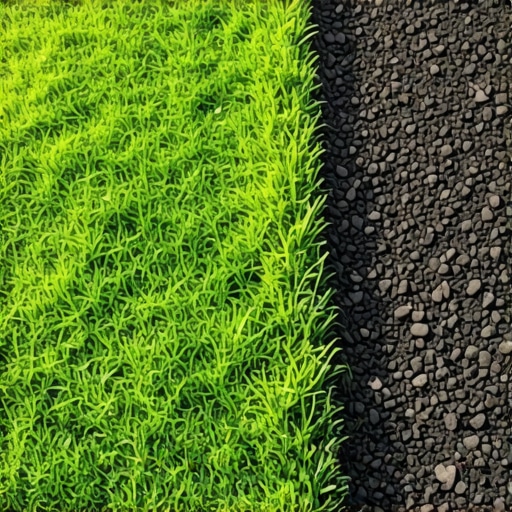
In our region, where the transition between wild woodland and manicured lawn is often thin, a sharp edge provides that necessary “buffer” that keeps the wilderness at bay. It defines where the “designed” landscape begins, elevating the entire look of your hardscaping and landscaping. It’s not just about the grass; it’s about the contrast between textures – the soft green of the turf against the dark richness of mulch or the rugged beauty of Ozark stone.
Essential Tools for a “Sharp Lawns” Finish
To achieve sharp lawns that look like they were handled by professional lawn care services, you need to move beyond the standard string trimmer. While a trimmer is great for weekly maintenance, the initial “cut” of the season requires specialized equipment, especially given our local soil conditions.
Manual Tools: The Half-Moon Edger
For the ultimate precision, nothing beats a manual half-moon edger. This tool features a semi-circular blade and a flat top for your foot. It allows you to exert direct downward pressure, which is essential when you encounter the rocks and roots common in Reeds Spring. Look for a model with a heavy-duty, high-carbon steel blade. Cheap, thin metal will bend the moment it hits a piece of Ozark chert. The manual edger is your best friend for creating custom curves and ensuring a deep, vertical cut that power tools sometimes miss.
Power Tools: The Modern Standard
If you have a large property in Lampe or Branson West, manual edging might be too labor-intensive. In the world of professional lawn care services, battery-powered systems have become the gold standard. I personally recommend the Milwaukee M18 FUEL Quik-Lok Edger Attachment. It provides the high torque necessary to slice through thick sod while offering the maneuverability to handle curved beds. The beauty of these modern power edgers is their consistency; they maintain a steady depth that is hard to replicate by hand over long distances.
The Ozark Tip: Blade Durability
In our neck of the woods, you must treat your edging blades as consumables. The rocky soil of Southwest Missouri will dull a blade faster than the sandy soils of the coast. Always keep a spare blade on hand, and don’t be afraid to sharpen your manual edger with a mill file. A dull tool won’t give you a sharper edge landscaping finish; it will simply tear the grass, leading to brown, frayed edges that are susceptible to disease.
Step-by-Step: The Professional Way to Edge Your Lawn
Achieving a sharp lawn isn’t just about the tool; it’s about the “V-trench” method. This is the secret used by landscape design services to create that deep, shadowed line that looks so dramatic from the street. Follow these steps for a professional result.
1. Marking the Line
Before you make a single cut, you need a guide. For straight lines, use a taut string tied between two stakes. For the flowing, organic curves that look so good on Reeds Spring properties, use a bright-colored garden hose. Lay the hose out and stand back to look at the “flow.” Adjust it until the curves look natural and follow the contours of your land. Once you’re happy, you can lightly spray a line of marking paint along the hose to give yourself a permanent guide for the work ahead.
2. The First Cut (The Vertical Wall)
Using your edger (manual or power), make a perfectly vertical cut along your guide. You want to go about 3 inches deep. This vertical wall is the “face” of your edge. If you’re using a manual edger, step on the tool to drive it straight down, then rock it slightly side-to-side to clear the path. Do not “pry” the soil out yet; just focus on making a clean, continuous vertical slice. This is where you establish the sharper edge landscaping look.
3. The “Trench” Method (The V-Cut)
Now, move your tool into the garden bed side, about 3 inches away from your vertical cut. Angle the tool at a 45-degree angle toward the bottom of your first cut. This creates a “V” shaped trench. By removing this wedge of soil and grass, you create a physical gap. This gap is vital because it stops the roots of your grass from jumping across into the bed. It also creates a shadow line that makes the edge “pop” visually. For those looking to upgrade their garden lines further, consider reading about Modern Metal Edging for Clean 2026 Garden Lines.
4. Cleaning Up the “Mudsill”
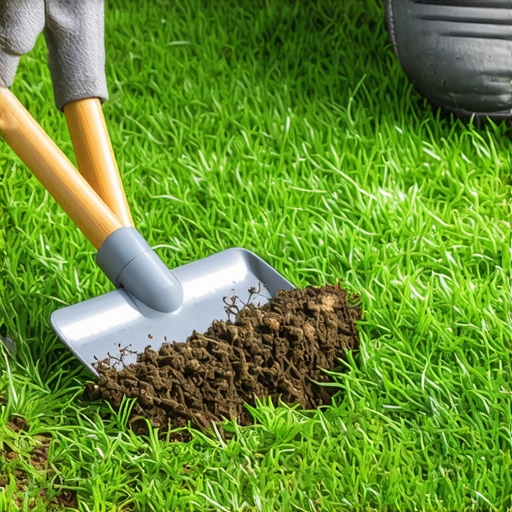
Once you’ve cut your V-trench, you’ll have a lot of loose sod and soil (the mudsill). Use a flat shovel to scoop this debris out. You can compost the soil, but be careful with the sod – if it has grass seeds or live runners, it’s better to dispose of it or use it to fill in bare spots elsewhere. Finally, use a stiff broom or a leaf blower to clear any remaining dirt from the grass side. A clean “shoulder” on the grass side is what separates a sharp lawn from a messy one.
Hardscaping and Landscaping: Permanent Edging Solutions
While a natural “V-trench” is beautiful, it does require maintenance a few times a year. If you want a high end landscaping look that is even more durable, you should look into permanent edging as part of your landscape design services. Integrating hardscaping and landscaping is the best way to ensure a permanent, sharp line.
Metal Edging: Steel vs. Aluminum
Metal edging is the favorite of many professional designers in the Branson West area.
- Steel Edging: This is the heavy-duty choice. It’s incredibly strong and can withstand being hit by a mower or a trimmer. Over time, it develops a beautiful rustic patina that fits perfectly with the Ozark aesthetic.
- Aluminum Edging: Aluminum is lighter and easier to install, especially for DIY projects. It won’t rust, making it a great choice for properties near Table Rock Lake where moisture levels are high.
Metal edging provides a thin, almost invisible line that keeps grass out and mulch in. If your metal edging ever shifts due to our freeze-thaw cycles, see our guide on Fixing 2026 Loose Paver Edging [Easy Fix].
Paver Borders and Mowing Strips
Another popular option in Lampe and Reeds Spring is the use of pavers or bricks. By laying a flat row of pavers at the edge of your lawn, you create a “mowing strip.” This allows you to run the wheels of your lawnmower right over the pavers, eliminating the need for string trimming altogether. It’s a classic hardscaping and landscaping technique that adds a sense of permanence and “old-world” charm to a property. For a budget-friendly DIY version, check out Building a $350 2026 Brick Walkway for Side Garden Entry Paths.
Maintaining Your Edge Through a Missouri Summer
In Reeds Spring, our growing season is aggressive. Between the spring rains and the summer heat, your sharp lawn can disappear under a carpet of overgrowth in just a few weeks if you aren’t careful. Maintenance is the key to making that sharper edge landscaping last all season.
Vertical Trimming
Every time you mow (which, during a Missouri May, might be every five days!), you should do a quick pass with your string trimmer. Turn the trimmer vertically so the string is spinning perpendicular to the ground. Walk along your established edge, letting the tip of the string just “kiss” the vertical wall you created. This knocks back any grass blades that are trying to lean over the edge and into the bed. It keeps the line looking fresh without having to re-dig the trench.
Mulching and Moisture Control
Proper mulching is an essential partner to a sharp edge. When you fill your beds with mulch, don’t fill the V-trench all the way to the top. Leave about an inch of the trench “open” so the shadow line remains visible. Also, be wary of “mulch volcanoes” around trees or against your lawn edge. Too much mulch can actually encourage grass to grow into it. To avoid common mistakes, read Stop Giving Mice a Home: 5 Mulch Errors That Invite Rodents. Additionally, as you maintain your turf, remember the benefits of Ditch the Bag: Why Mulching Grass Wins in 2026 to keep your soil healthy and your lawn thick, which naturally crowds out weeds at the edge.
When to Call for Professional Lawn Care Services in Reeds Spring
I love a good DIY project, but let’s be honest: edging is hard work. In the Reeds Spring, Branson West, and Lampe areas, our soil is often more rock than dirt. If you find yourself hitting “shelf rock” six inches down, or if you have a multi-acre estate that would take days to edge by hand, it’s time to call in the pros. Professional lawn care services have the industrial-grade equipment and the manpower to establish these lines quickly and correctly.
For those looking for high end landscaping, a professional team can offer landscape design services that go beyond just cutting a line. They can help you choose the right hardscaping and landscaping materials that complement your home’s architecture and the natural beauty of the Ozarks. Furthermore, many local companies offer integrated lawncare and snow removal packages, ensuring that your property looks sharp in the summer and stays safe and accessible in the winter. If you want that “country club” look without the “country club” effort, hiring a local expert in Reeds Spring is a wise investment in your property’s future.
Conclusion & Call to Action
A sharp lawn edge is the hallmark of a well-cared-for home. By using the V-trench method, choosing the right tools for our rocky Missouri soil, and maintaining your lines with vertical trimming, you can achieve a sharper edge landscaping result that lasts all season long. Whether you choose to do it yourself or hire professional lawn care services, the effort will pay off every time you pull into your driveway.
Ready to take your property to the next level? Browse our other Lawn Majesty guides for more expert tips, or contact a local professional in the Reeds Spring area today for a custom landscaping consultation!