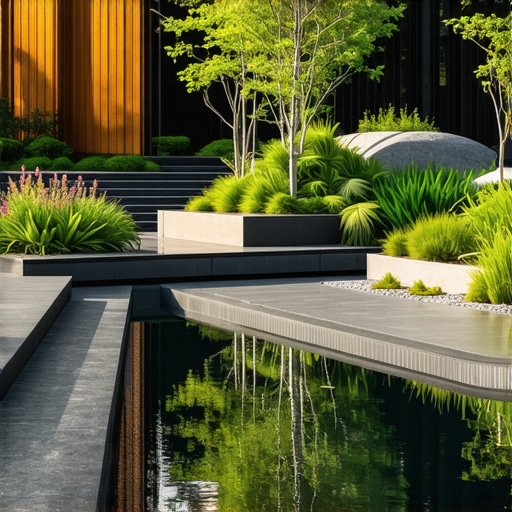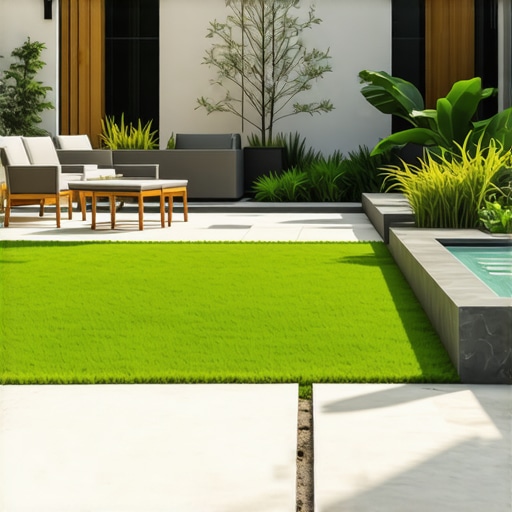
I remember the moment I realized my garden was more of an afterthought than a sanctuary. It was a bright Saturday, and I was battling overgrown weeds and a faded patio, feeling frustrated and overwhelmed. My breakthrough came when I finally understood that modern garden design isn’t just about planting a few flowers or laying some stones; it’s about creating a cohesive outdoor experience that elevates your home and lifestyle. If you’ve ever felt stuck with your outdoor space, let me assure you—there’s hope. Today, I’ll share practical, proven tips to help you craft a stunning modern garden in 2025 that truly reflects your style and needs.
Why Modern Garden Design Matters Now More Than Ever
As our lifestyles become busier and our homes more connected, the importance of transforming outdoor spaces into relaxing retreats is growing. Modern garden design focuses on clean lines, sustainable practices, and innovative features that make your yard not just beautiful but functional. According to a recent survey by Lawn Majesty, a well-designed garden can boost your home’s curb appeal by up to 15%, and that’s a game-changer when it comes to real estate value. Plus, with the rise of eco-conscious living, incorporating sustainable elements in your garden isn’t just trendy—it’s essential.
But let’s be honest. Starting a garden renovation can feel daunting. I made the mistake of rushing into planting without a plan—resulting in a chaotic, mismatched outdoor mess. That early mistake taught me a valuable lesson: thoughtful planning and understanding current trends are key to success. If you’re wondering whether now is the right time to redesign your garden, my answer is absolutely yes. The trends for 2025 emphasize sleek, low-maintenance landscapes that blend natural beauty with modern innovation. Curious? Check out the latest garden design trends for 2025 for inspiration.
Is Modern Garden Design Really Worth the Effort?
When I first contemplated overhauling my garden, skepticism crept in. Was it really worth the effort? Would I be investing time and money into something fleeting? Here’s the truth: a well-executed modern garden isn’t just eye candy; it’s a long-term investment in your home’s value and your quality of life. Plus, modern design encourages sustainable practices, like drought-resistant plants and energy-efficient lighting—saving you money in the long run. One of my biggest early mistakes was ignoring the importance of hardscaping, which can dramatically elevate your outdoor space. For practical tips, I recommend exploring hardscaping ideas for 2025.
Now that you understand why modern garden design is a smart move, let’s dive into how you can start transforming your yard into a stunning outdoor haven. Ready to turn your garden dreams into reality? Keep reading!
Start with a Clear Plan and Layout
Think of your garden like designing a room in your home. I once jumped straight into planting without a plan, which led to a chaotic patchwork of mismatched elements. Instead, sketch out a layout that includes zones for seating, planting beds, pathways, and focal points. Use graph paper or digital tools to visualize how each element fits together, ensuring a balanced and functional space. This step prevents costly mistakes and makes future updates easier.
Choose the Right Plants for Sustainability and Style
Select drought-resistant, native, and low-maintenance plants that align with your aesthetic goals. When I switched to succulents and ornamental grasses, my garden required less watering and thrived naturally. Consider plant height, color, and texture to create visual interest throughout the seasons. For inspiration and specific plant recommendations, explore modern garden design ideas.
Implement Hardscaping for Structure and Durability
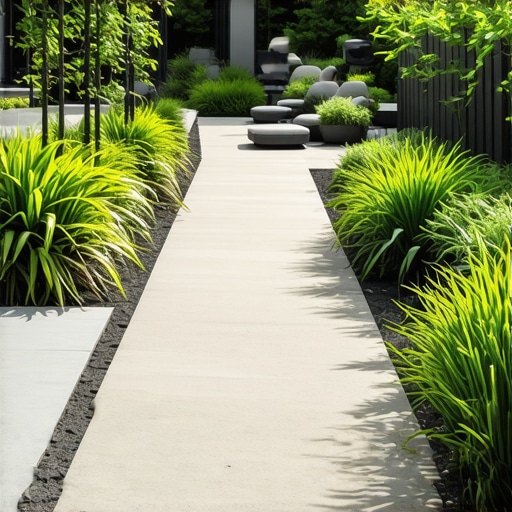
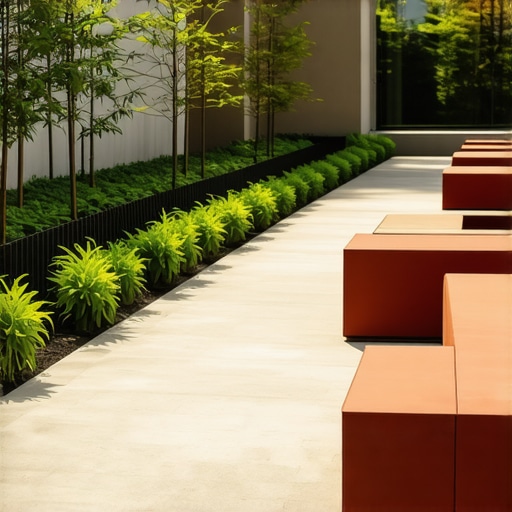
Hardscaping elements like patios, walkways, and retaining walls provide structure and longevity, much like furniture anchors a living room. I used large concrete pavers for my patio, which created a sleek, modern look and required minimal upkeep. Focus on materials that complement your home’s architecture—concrete, stone, or composite decking work well for 2025 trends. Check out hardscaping ideas for 2025 for creative ideas.
Incorporate Lighting to Extend Usability
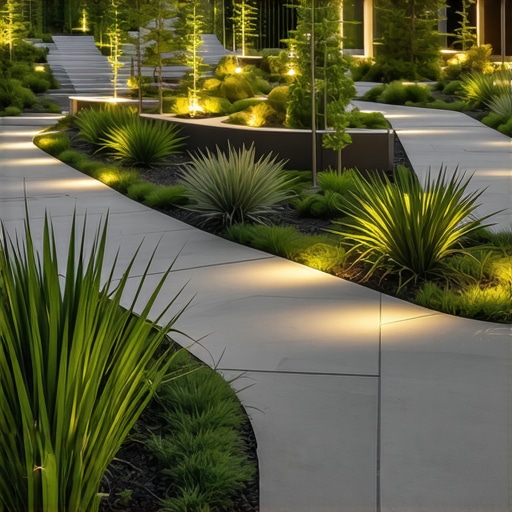
Lighting transforms your garden into an inviting space after sunset. I installed energy-efficient LED path lights and subtle spotlights to highlight trees and architectural features. Use solar-powered options to reduce energy consumption and maintenance. Proper lighting not only enhances aesthetics but also adds safety. For more innovative lighting ideas, visit effective hardscaping strategies.
Focus on Maintenance and Long-Term Care
Design with upkeep in mind. I opted for ground covers and native plants that require less watering and pruning, saving time and resources. Regular lawn care, fertilization, and mulching keep your garden lush and vibrant. For expert lawn care tips, see lawn care tips for 2025. Establish a seasonal maintenance routine to keep everything in top shape without overwhelming yourself.
Personalize with Unique Features
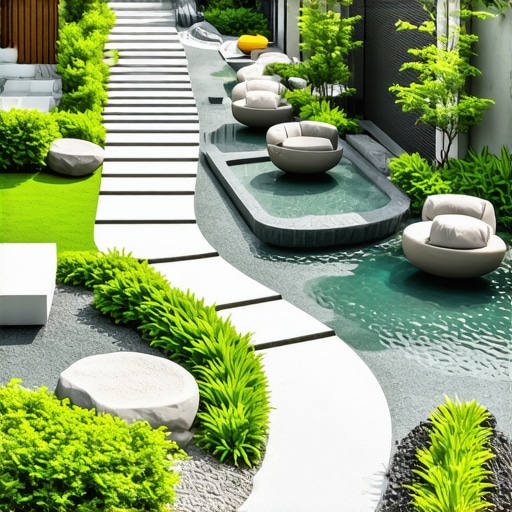
Add features that reflect your personality—whether it’s a modern sculpture, a fire pit, or a water feature. These elements create focal points and conversation starters. In my garden, a sleek fire table became the highlight, perfect for gatherings. Explore garden design tips to boost curb appeal for more ideas on adding personality.
While it’s tempting to focus on creating a visually stunning garden, many enthusiasts overlook nuanced mistakes that can undermine their efforts. As a garden design expert, I’ve seen many fall into traps that seem minor but can significantly impact the longevity and harmony of the landscape. Today, let’s dig deeper into what most people get wrong about modern garden design, so you can steer clear of these pitfalls and achieve a truly stunning outdoor space.
Why do so many underestimate the importance of cohesive planning?
One of the most common myths is that planting beautiful flowers and installing hardscaping elements separately will naturally result in a cohesive look. In reality, a lack of integrated planning often leads to disjointed designs that feel chaotic rather than elegant. Modern design emphasizes harmony among all elements — from plants to hardscaping, lighting, and accessories. Skipping this step can cause your garden to look like a patchwork rather than a curated masterpiece. For a comprehensive approach, explore modern landscaping tips.
Additionally, many underestimate the value of scale and proportion. Small plants in a large space can look lost, while oversized features can overwhelm the area. An advanced mistake is ignoring seasonal variations; choosing plants that look good only in one season limits your garden’s visual appeal. Native, drought-resistant plants that bloom across multiple seasons help maintain a vibrant look year-round. Check out modern garden ideas for selecting the right plants.
Beware of the trap of over-automation
While smart irrigation and lighting systems are game-changers, over-automating can backfire. Complex systems that are poorly planned or excessively customized might become maintenance nightmares, leading to frustration and increased costs. Moreover, overly reliance on technology can diminish the natural beauty and tactile experience of your garden. Instead, aim for a balanced approach that combines automation with manual care, ensuring your garden remains manageable and authentic. For strategic hardscaping and automation, see hardscaping strategies.
Have you ever fallen into this trap? Let me know in the comments. Remember, the goal is a sustainable, beautiful space that ages gracefully, not a high-maintenance project that becomes a burden. By understanding these hidden nuances, you’re better equipped to create a modern garden that truly elevates your outdoor living experience.
Maintaining a modern garden over time requires more than just regular watering and pruning; it involves leveraging the right tools and techniques to ensure your outdoor space remains stunning and functional for years to come. As a landscape enthusiast, I’ve tested numerous equipment and software solutions that streamline garden care, save time, and enhance results. Today, I’ll share my top recommendations for keeping your modern garden thriving, along with insights into future trends that will shape garden maintenance in 2025 and beyond.
Invest in High-Quality Power Tools for Precision and Efficiency
For any serious gardener, a reliable cordless electric trimmer and a versatile leaf blower are essentials. I personally prefer the Makita XBU04Z Cordless Blower because it offers powerful airflow without the hassle of cords, making cleanup faster and easier. Its lightweight design reduces fatigue, allowing me to maintain my garden without strain. Pair it with a battery-powered hedge trimmer like the Greenworks 24V because it provides clean cuts and minimal noise—ideal for urban gardens where peace and quiet matter. Using durable tools like these ensures precision, saves energy, and reduces maintenance costs over time.
Automate Routine Tasks with Smart Systems
Automation is transforming garden maintenance. I recommend installing a smart irrigation system like Rachio 3 that adapts watering schedules based on weather forecasts. I’ve been using it for over a year and it has significantly reduced water waste while keeping my plants healthy. The system’s app interface is intuitive, allowing me to adjust settings remotely. Additionally, smart lighting controls such as Philips Hue outdoor fixtures enable me to set mood lighting or security lights effortlessly, enhancing usability after dark. These systems are predicted to become even more sophisticated, integrating AI to analyze plant health and optimize care routines automatically.
Use the Right Soil Sensors and Fertilization Technology
Monitoring soil moisture and nutrient levels is crucial for a sustainable garden. I rely on the Vegetronix VH400 Soil Moisture Sensor, which provides real-time data via Bluetooth to my smartphone. This helps me avoid over- or under-watering, promoting healthy root growth. For fertilization, I utilize slow-release, organic fertilizers that I apply using a calibrated spreader. Combining sensor data with precise fertilization methods prevents waste and ensures my plants get what they need, minimizing environmental impact. In the future, expect AI-driven sensors that can diagnose plant deficiencies and suggest precise treatments on the spot.
Maintain Tools Regularly for Long-Term Performance
Regular maintenance of your equipment extends its lifespan and keeps it performing at peak levels. I clean my power tools after each use with compressed air and lubricate moving parts as recommended by the manufacturer. Storing tools properly—preferably in a dry, organized shed—prevents rust and damage. Additionally, updating software firmware on smart systems ensures compatibility with new features and security patches. Think of maintenance as an investment—by keeping your tools in top condition, you’ll save money and avoid frustrations down the line.
Prepare for the Future of Garden Care
As technology advances, I believe the future of garden maintenance will lean heavily on integrated systems that combine AI, IoT devices, and sustainable practices. Predictive analytics will enable proactive care, preventing issues before they become visible. Drones might even assist in monitoring large landscapes for pest or disease outbreaks, providing high-resolution imagery for detailed analysis. Staying ahead of these trends means investing in adaptable tools now, like modular systems and cloud-connected devices, to future-proof your garden.
Ready to elevate your garden maintenance routine? Start by trying out a smart irrigation controller like Rachio 3 or upgrading to cordless power tools that suit your needs. These investments will pay off by keeping your outdoor space beautiful and manageable for years to come. Remember, a well-maintained garden isn’t just about aesthetics—it’s about creating a sustainable, enjoyable environment that endures through seasons and years.
Looking to elevate your outdoor space beyond the typical garden? My biggest breakthrough was realizing that a modern garden isn’t just about plants; it’s about harmony, sustainability, and personal expression. Over the years, I’ve learned that integrating innovative hardscaping, smart automation, and native plants can transform any yard into a true sanctuary. In 2025, the trend is all about creating a cohesive outdoor experience that reflects your lifestyle while respecting the environment. Ready to discover the insider secrets that will make your garden stand out?
What I Wish I Knew When I Started
- Less is More: Overloading your garden with too many different styles can create chaos. Embrace simplicity with clean lines and minimal clutter for a sleek, modern look.
- Plan for Seasons: Native and drought-resistant plants ensure your garden remains vibrant year-round, reducing maintenance time and water bills.
- Hardscaping Matters: Solid structures like patios and pathways add stability and elegance. Choosing the right materials makes a huge difference—think concrete, stone, or composites that age gracefully.
- Lighting Extends Enjoyment: Thoughtful lighting enhances safety, highlights focal points, and creates ambiance after sunset. Solar options are eco-friendly and easy to install.
- Technology Can Be a Game-Changer: Smart irrigation and lighting systems save water, reduce effort, and keep your garden looking its best with minimal fuss.
Tools and Resources That Changed My Approach
- Rachio 3 Smart Irrigation Controller: It adapts watering schedules based on weather, saving water and money. I trust it for effortless, eco-conscious garden care.
- Makita Cordless Power Tools: Reliable, lightweight, and battery-powered, these tools make trimming, edging, and cleanup quicker and less tiring.
- Soil Moisture Sensors: Devices like Vegetronix VH400 help me avoid over- or under-watering, ensuring healthy roots without waste.
- Gardening Books and Blogs: Resources like Lawn Majesty’s dedicated guides offer expert tips on landscaping trends and sustainable practices that keep my garden thriving.
Let Your Garden Inspire You to Act
Designing a modern garden in 2025 isn’t just an aesthetic choice—it’s a lifestyle upgrade. When you combine thoughtful planning, sustainable plants, durable hardscaping, and smart tech, you create a space that enriches your life and respects the planet. Don’t wait to start; your outdoor sanctuary is within reach, and the results can be truly transformative. Now is the perfect time to bring your vision to life and enjoy a beautiful, functional outdoor space for years to come.
What’s your biggest challenge when it comes to redesigning your garden? Share your thoughts below—I’d love to help you overcome it!