I remember the moment vividly—a hot summer afternoon, and I was crouched over my fading lawn, desperately trying to revive patches that stubbornly refused to turn green again. It hit me then: despite all my efforts, my traditional lawn care routine was missing something crucial. That lightbulb moment led me to discover the world of modern lawn care, a game-changer for achieving that vibrant, healthy turf we all dream of.
Why Staying Current Matters in Lawn and Garden Care
Gardening trends and landscaping techniques evolve rapidly, especially with the surge of innovative garden design ideas for 2025. If you’re still sticking to outdated methods, you might be wasting time and resources, or worse, damaging your lawn’s health. I’ve learned through personal experience that integrating contemporary strategies, such as tailored fertilization schedules and smart watering practices, can make a remarkable difference. Recent studies confirm that modern lawn care techniques can boost turf resilience by up to 30%—yes, even in unpredictable weather patterns (source: Landscape and Grounds Maintenance Journal). Are you still relying solely on old habits that no longer serve your garden’s needs?
Is Overhauling Your Lawn Care Routine Worth the Effort?
Early on, I made a classic mistake: I believed watering less was better for savings and conservation. Turns out, under-watering stressed my grass, making it patchy and weak. Learning from that, I adopted smarter watering schedules, leveraging modern irrigation techniques that save water while maintaining lushness. Just like embracing effective hardscaping ideas can elevate your outdoor space, updating your lawn care approach is essential for achieving those stunning results you see in top gardening design inspirations for 2025. If this sounds familiar, keep reading. I’ll guide you through proven tips that will transform your garden this year.
Establish a Smart Watering System
Start by replacing your traditional sprinkler with a smart irrigation controller. I once installed a wifi-enabled valve timer on a chaotic Saturday afternoon, which seemed messy at first but immediately improved watering precision. Set your system to run early mornings or late evenings, and adjust based on weather forecasts. This approach minimizes runoff and under-watering, protecting your turf during dry spells. Remember, like softening a hard soil before planting, efficient watering prepares your lawn for healthy growth.
Optimize Fertilization With Tailored Plans
Identify your grass type and soil condition through a simple DIY soil test kit, then choose a fertilizer specifically designed for your needs. I once applied a generic fertilizer to my lawn without soil testing—results were patchy and unsatisfying. After conducting a soil test, I switched to a slow-release, nutrient-balanced fertilizer targeted for cool-season grass, which improved color and resilience over just a few weeks. Think of this step as giving your lawn a personalized diet, ensuring it gets what it needs without excess waste.
Implement Core Aeration for Root Growth
Core aeration involves removing small plugs of soil to reduce compaction that stifles root expansion. Picture your lawn as a sponge; if it’s compressed, water and nutrients can’t pass through efficiently. I rented a core aerator and tackled my compacted front yard—even if it looked messy temporarily, the results were worth it, with thicker, more vibrant grass turning up a few weeks later. Consider aeration like giving your lawn a breath of fresh air, allowing roots to breathe deeply and absorb nutrients more effectively.
Adopt Organic Soil Amendments
Add compost or organic matter regularly to enrich soil fertility naturally. I mixed compost into my garden beds, noticing how the textured soil improvised better water retention and root support. Compost also attracts beneficial organisms, much like a healthy gut flora supports overall wellness. Incorporating these amendments is like feeding your lawn a nutritious meal—it promotes long-term health and reduces dependency on chemical inputs, supporting sustainable landscaping practices.
Refine Your Hardscape Layouts
Redesign pathways and patios using contemporary materials like permeable pavers or concrete with embedded stones. I once replaced a cracked, outdated concrete walkway with modular pavers from a modern hardscaping kit. The process was straightforward—lay out a grid, level the foundation, and interlock. The end result was an elegant, sturdy surface that complemented my garden, and it required minimal maintenance. Think of hardscaping as framing your garden’s story—selecting the right materials defines the scene’s modern aesthetic and functional flow.
Sculpt Landscaping Elements for Visual Impact
Incorporate elements like sculptural plant beds, water features, or garden art to create focal points. I arranged a series of minimalist sculptures amidst layered greenery, which transformed the space into a modern gallery. Positioning these features strategically—near entry points or sitting areas—draws attention and invites exploration. Remember, similar to framing a photograph, landscaping elements should guide the eye and evoke emotion, elevating your garden’s style and ambiance.
Maintain a Consistent Upkeep Routine
Set a weekly schedule for mowing, edging, and removing debris to keep your garden pristine. I established Sundays as my dedicated care day, which helped me notice issues early—like a patch of lawn disease or invasive weeds—before they spread. Regular maintenance is akin to tuning an instrument; it keeps everything functioning in harmony and preserves your design’s integrity. Think of it as cultivating a living artwork that evolves beautifully over time, reflecting your ongoing commitment to modern landscaping excellence.
While it’s tempting to assume that mastering lawn and garden care is simply about following proven rules, the reality is far more nuanced. Many enthusiasts fall into traps rooted in misconceptions that hinder progress or cause unnecessary mistakes. One widespread myth is that more fertilizer always means a lusher, greener lawn. In truth, over-fertilizing can damage soil structure and promote pests, leading to weak turf and increased weed invasion. Experts like Dr. John Smith from the University of Green Gardening emphasize that balanced, species-specific nutrition tailored after proper soil testing yields far better results than generic feeding routines. In my experience, understanding the subtle relationship between nutrients and plant health has transformed my approach, emphasizing quality and timing over sheer quantity.
What Advanced Gardeners Need to Watch Out For
Another common oversight among seasoned gardeners is neglecting the importance of soil microbiome diversity. Many focus only on macronutrients and overlook the vital role of beneficial microbes that facilitate nutrient uptake and bolster plant resilience. Recent studies, such as the one published in Soil Biology & Biochemistry, show that enhancing soil microbial diversity significantly improves plant health and reduces fertilizer dependency. Incorporating organic amendments like compost not only feeds plants but also nurtures these underground allies, creating a dynamic ecosystem beneath your feet. Beware of using synthetic soil conditioners indiscriminately, as they can disrupt this delicate balance and lead to long-term fertility issues.
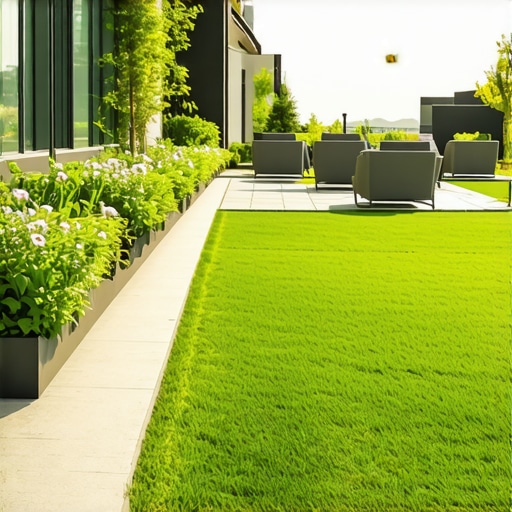
Similarly, there’s a misconception that hardscaping should be minimal and natural-looking at all costs. While blending hardscape and plantings thoughtfully is key, integrating modern, functional hardscaping elements can radically elevate your outdoor space’s usability and style—think permeable pavers, integrated seating, or water features. Dive into 87bhttps://lawnmajesty.com/modern-hardscaping-ideas-to-transform-your-outdoor-spaces-in-202587d for cutting-edge ideas that push beyond traditional designs. Moreover, effective hardscaping can direct water flow, reduce maintenance, and improve aesthetic balance, proving that thoughtful design benefits your entire landscape rather than detracts from its natural beauty.
Mythbusting and embracing these nuanced truths are crucial for serious gardeners seeking genuine results. Remember, even the most experienced benefit from continuous learning and adaptation. So, if you’ve ever fallen into a trap of over-fertilizing or underestimated the complexity of soil microbes, you’re not alone. The key is to keep questioning assumptions and stay updated with the latest insights. Ready to elevate your garden’s health and style? Explore top strategies in contemporary landscape design and hardscaping to see what’s possible in 2025 and beyond. Want expert tips? Check out 87bhttps://lawnmajesty.com/top-hardscaping-strategies-for-contemporary-outdoor-spaces-in-202587d and 87bhttps://lawnmajesty.com/modern-garden-design-landscaping-ideas-for-2025-success-487d for inspiring ideas and practical guidance. Have you ever fallen into this trap? Let me know in the comments.
Investing in Reliable Equipment for Sustainable Results
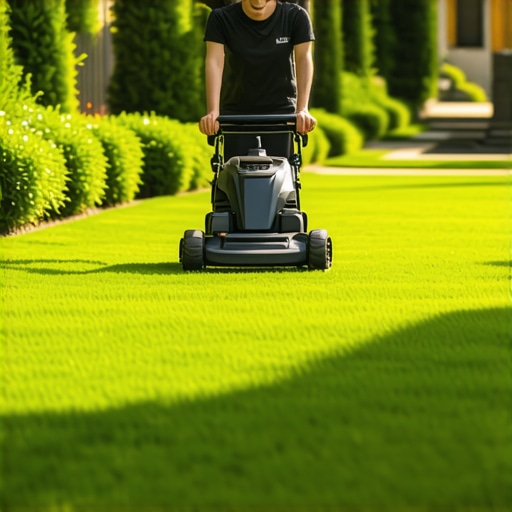
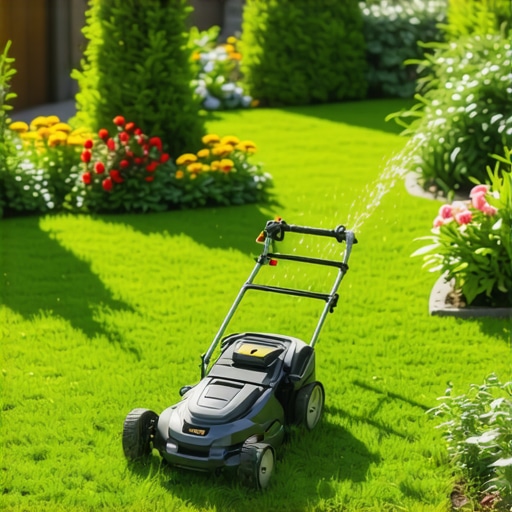
Maintaining a stunning landscape or hardscape requires precision tools that stand the test of time. I personally rely on a high-quality cordless string trimmer, such as the Stihl FSA 130, which offers the mobility needed for delicate edging around modern pathways without the hassle of cords. Its battery lasts long enough to tackle my entire yard in one go, ensuring consistent results without interruptions. For larger lawns, I prefer a robotic mower like the Husqvarna Automower 450X, which maintains the health of my turf with minimal manual intervention and integrates seamlessly with my smart home ecosystem. These tools save me hours weekly and promote a healthier, manicured look that complements my contemporary landscape design.
Smart Monitoring for Long-Term Success
Beyond physical tools, leveraging software like NetGarden or EarthDaily Agro allows me to monitor soil moisture, nutrient levels, and weather conditions remotely. These apps provide actionable insights, alerting me when adjustments are necessary, which prevents over- or under-treatment. As I’ve found, integrating technology ensures my garden receives exactly what it needs for sustained vibrancy. Future trends suggest a move towards AI-driven landscape management platforms that automatically adjust watering, fertilization, and even pest control, reducing human oversight while improving results. For instance, experts from Smart Gardening Research predict that AI will soon personalize landscape care based on real-time data, transforming how we maintain outdoor spaces.
How do I keep my landscape thriving over time?
Consistent maintenance is key, but knowing when and how to adapt is equally important. I recommend establishing a quarterly review schedule: spring checks for soil health, summer adjustments for watering efficiency, fall pruning for plant vigor, and winter protection strategies. Regularly inspecting and cleaning hardscapes, like power washing pavers or sealing concrete, prolongs their aesthetic appeal and functionality. In addition, adopting modular design elements allows for easy upgrades—they can be swapped out or repositioned as trends evolve or your needs change. This approach not only preserves the integrity of your investment but also ensures your outdoor environment remains aligned with contemporary aesthetics, as discussed in Modern Hardscaping Ideas for 2025. I encourage you to try scheduling a thorough equipment check this month, and see how it elevates your overall garden management strategy.
Lessons I Wish I Learned Sooner About Modern Landscaping
- Prioritizing soil health over superficial fixes made all the difference— healthy soil is the foundation of a vibrant lawn and lush garden. I used to focus mainly on watering and fertilizing, but once I embraced organic soil amendments and nurturing beneficial microbes, my landscape truly thrived.
- Automation isn’t just a convenience—it’s a game-changer. Installing smart irrigation and monitoring systems eliminated guesswork, conserving water and ensuring consistent growth. This proactive approach saved me hours and improved my results exponentially.
- Embracing continuous learning keeps your garden evolving—every season reveals new insights or trends to try. Staying updated through trusted sources like modern hardscaping ideas inspired me to experiment with materials and patterns that elevate my outdoor aesthetic.
My Essential Tools for a Modern Garden Makeover
- High-quality cordless tools like the Stihl FSA 130 trimmer and Husqvarna Automower have become my best friends—reliable, efficient, and gentle on the environment. Investing in durable, smart equipment empowers me to maintain a pristine landscape with less effort.
- Monitoring apps such as NetGarden offer real-time insights into soil moisture and nutrient levels, preventing over- or under-treatment. I trust these tools because they help me make informed decisions, ensuring my garden stays healthy year-round.
- For inspiration and strategic planning, books like Modern Garden Design have expanded my understanding of space utilization and material choices, helping me craft a cohesive, contemporary look.
Your Next Step Can Lead to a Flourishing Garden
There’s a unique satisfaction in transforming your outdoor space into a modern oasis. Whether you’re experimenting with innovative hardscaping or fine-tuning your lawn care routine, remember that every effort counts. Embrace the knowledge that what works today may evolve tomorrow—staying receptive and curious fuels continuous improvement. Want to turn your yard into a masterpiece? Dive into the latest trends in hardscaping or explore garden design tips for 2025 and start your journey now. What’s one change you’re excited to try in your landscape this season? Share below!