![Stop 2026 Boxwood Blight with These 3 Pruning Rules [Zone 7]](https://lawnmajesty.com/wp-content/uploads/2026/05/Stop-2026-Boxwood-Blight-with-These-3-Pruning-Rules-Zone-7.jpeg)
Stop 2026 Boxwood Blight with These 3 Pruning Rules [Zone 7]
The Forensic Diagnosis of a Boxwood Graveyard
Boxwood blight, caused by the fungal pathogen Calonectria pseudonaviculata, manifests as rapid leaf drop, black stem cankers, and distinct circular brown spots on foliage within Zone 7 landscapes. This pathogen thrives in the high humidity and moderate temperatures characteristic of the mid-Atlantic and southeastern regions, often turning a mature garden design into a skeletal mess of dead wood in a single season. I see it every week. A homeowner calls me out to look at their ‘dying bushes,’ and within thirty seconds, I see the tell-tale black streaks on the green stems. It is a biological death sentence if you do not change your maintenance habits immediately.
I always drill into my new crew members: if you don’t fix the soil grading first, every plant you put in the ground is just expensive compost. The same logic applies to boxwood maintenance. You cannot simply ‘trim’ your way out of a fungal epidemic. The standard ‘mow-and-blow’ hack will take a pair of dirty gas-powered hedge trimmers and rip through twenty different yards, carrying millions of sticky Calonectria spores from one property to the next. In my firm, we treat boxwood pruning like surgery. We don’t just cut; we dissect for airflow. If your landscaper doesn’t know the difference between ‘shearing’ and ‘plucking,’ fire them before they kill your $50,000 evergreen investment.
“A retaining wall doesn’t fail because of the stone; it fails because of the water trapped behind it.” – Hardscape Engineering Axiom
This engineering principle applies directly to plant pathology. A boxwood doesn’t fail because of the fungus alone; it fails because of the stagnant, humid air trapped inside its dense canopy. When you shear a boxwood into a tight, formal ball, you create a ‘shell’ of foliage that prevents sunlight and wind from reaching the interior. This creates a micro-climate with 90 percent humidity, even on a dry day. It is a petri dish for blight. We are going to change that with three specific engineering rules for your shears.
Rule 1: The Plucking Technique for Internal Airflow
Thinning boxwoods involves selectively removing small branches to create interior windows that allow air and light to reach the center of the shrub. This practice reduces the humidity levels within the canopy, making the environment hostile for the Boxwood blight spores to germinate. Do not use shears for this. You need bypass pruners. You are looking to remove roughly 10 percent of the outer foliage shell. This allows the interior ‘dead zone’—where leaves have dropped due to shade—to stay dry. If the interior wood stays dry, the spores cannot germinate. It is physics. Water on the leaf for more than 12 hours equals infection. Reduce the leaf wetness duration, and you break the cycle. I tell my apprentices to look for ‘daylight’ through the plant. If you can’t see the interior stems, the plant can’t breathe. It will rot.
Rule 2: Surgical Tool Sanitization Protocols
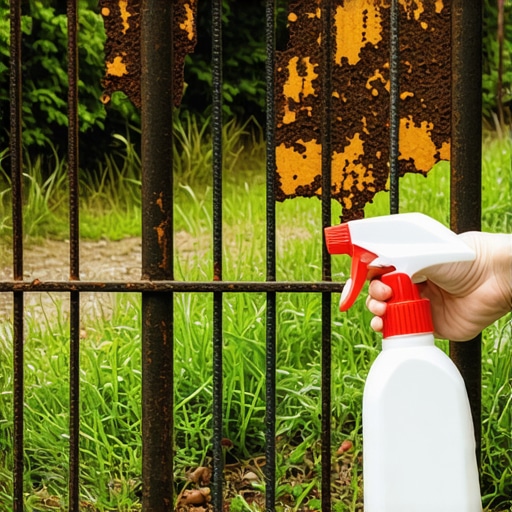
Tool sanitization requires disinfecting shears and saws with 70 percent isopropyl alcohol or a 10 percent bleach solution between every single plant. This prevents the mechanical transmission of fungal spores across your landscaping, ensuring that one infected shrub doesn’t contaminate the entire garden design. Spores of Calonectria pseudonaviculata are heavy and sticky. They are not like dandelion seeds that float away. They act like glue. They stick to your steel blades, your gloves, and your boots. In my company, we carry spray bottles of Lysol or isopropyl alcohol. We spray the blades until they drip after finishing one plant and before moving to the next. If you see a contractor move from an English Boxwood to an American Boxwood without cleaning their tools, they are spreading the plague. Don’t skip this. It takes thirty seconds and saves thousands of dollars in replacement costs.
“The primary management strategy for boxwood blight is the exclusion of the pathogen through sanitation and the use of resistant cultivars.” – Virginia Cooperative Extension
Rule 3: Strategic Timing and Environmental Windows
Pruning timing for boxwoods in Zone 7 should occur during dry, sunny windows in late winter or early spring before new growth begins. Avoiding pruning during wet periods prevents the spread of water-borne spores and allows the cut surfaces to callous over quickly in low-humidity conditions. In Zone 7, our humidity spikes in May and June. If you prune during a humid, overcast day, the open wound on the plant is an entry point for spores. We wait for a ‘three-day dry window.’ If the forecast calls for rain, the shears stay in the truck. Furthermore, avoid overhead irrigation. If you are using a sprinkler system that hits the foliage of your boxwoods, you are essentially hand-delivering the blight to the plant. Transition to drip irrigation or redirected spray heads to keep the leaves dry. Lawn care companies often ignore this, blasting the shrubs while trying to water the turf. It is a fatal mistake for your hardscaping accents.
How do you treat boxwood blight in the soil?
Soil remediation for boxwood blight is difficult because the microsclerotia can survive in the leaf litter for five to ten years. You must physically remove all fallen leaves and the top two inches of mulch from under the infected plant. Do not compost this material. Bag it and send it to a landfill. Then, apply a fresh layer of hardwood mulch to create a physical barrier between the soil-borne spores and the lower branches. This prevents ‘splash-up’ infection during heavy rain events. I also recommend checking the soil pH. Boxwoods prefer a range of 6.5 to 7.2. If your soil is too acidic, the plant is stressed and its immune response is weakened. Use pelletized lime to bring the pH up if your soil test indicates a drop.
What is the best fungicide for boxwood blight?
Fungicidal control of boxwood blight is largely preventative, not curative. Products containing chlorothalonil or fludioxonil are effective at protecting uninfected tissue, but they will not ‘cure’ a branch that has already developed black cankers. In Zone 7, applications should begin when the 7-day average temperature hits 60 degrees Fahrenheit. This is typically when the fungus wakes up. We apply every 14 days during high-pressure periods. However, do not rely on chemicals alone. If you don’t follow the three pruning rules, you are just throwing money away on sprays. The fungus will eventually find a way through the chemical shield if the canopy is too dense.
| Boxwood Variety | Blight Resistance Level | Growth Habit |
|---|---|---|
| English (B. sempervirens ‘Suffruticosa’) | Very Low | Dense, Slow |
| American (B. sempervirens) | Low to Moderate | Upright, Open |
| NewGen Independence® | High | Rounded, Vigorous |
| Little Missy (B. microphylla) | Very High | Compact, Mounded |
[IMAGE_PLACEHOLDER]
- Step 1: Inspect all tools for rust and debris. Clean with a wire brush.
- Step 2: Submerge blades in 70% alcohol for 60 seconds.
- Step 3: Remove all dead, crossed, or rubbing branches from the interior.
- Step 4: Conduct ‘plucking’ cuts to create 3-inch gaps in the outer foliage.
- Step 5: Rake up all clippings and bag them immediately. Never leave debris on the ground.
- Step 6: Re-sanitize tools and boots before moving to a new section of the yard.
The reality is that landscaping in the age of blight requires a higher level of discipline. You cannot treat these plants like plastic ornaments. They are living organisms that require specific environmental conditions to survive. By controlling the airflow through aggressive thinning, maintaining surgical levels of tool hygiene, and timing your cuts to avoid humidity, you can keep your boxwoods alive through 2026 and beyond. If you see a ‘mow-and-blow’ crew approaching your boxwoods with a hedge trimmer, stop them. Tell them you want the ‘Foremen’s Thinning Protocol.’ If they don’t know what that is, do it yourself. Your garden depends on it.