I remember the moment vividly—looking out at my once-lush lawn, only to realize it was patchy, thinning, and far from the vibrant green I envisioned. It hit me hard: if I didn’t address my grass issues now, they’d only worsen, making my yard less inviting and more vulnerable to weeds and diseases. That lightbulb moment spurred me to dive deep into effective solutions, especially as the dreaded 2026 deadline approaches for many property owners dealing with grass thinning and lawn deterioration.
Why Tackling Grass Thinning Matters Right Now
Time is of the essence. The longer you wait, the more your lawn becomes a battleground for weeds, pests, and environmental stresses. Many are tempted to think, “It’s just a patch of thinning grass; I’ll deal with it later.” But delaying only deepens the problem. Recent studies show that healthy turfgrass can significantly reduce soil erosion, filter pollutants, and cool urban microclimates—making a lush yard more than just aesthetic; it’s about environmental resilience. Early intervention with tested overseeding tactics can turn around a deteriorating lawn, saving you money and effort in the long run.
Are you facing the frustration of a patchy yard that seems to refuse to bounce back? Well, you’re not alone. I’ve been there. My early mistake was ignoring the signs, thinking a quick fertilization would suffice. Spoiler: it didn’t. If you want to avoid the same pitfalls, understanding the right overseeding approach is crucial.
Will These Overseeding Tactics Really Make a Difference?
From personal experience, I can attest that targeted overseeding, when done correctly, can transform a lackluster yard into a lush, resilient landscape. It’s not magic, but it is science-backed. Incorporating specific strategies like soil preparation and selecting the right grass varieties can lead to dramatic improvements, especially if you’re racing against the looming deadline. For more on soil fixes, check out how effective soil drainage can bolster your overseeding efforts.
So, if you’re tired of looking at that stubborn, thinning patch of grass and want real results, stick with me. I’ll walk you through the best overseeding tactics that have stood the test of time—and time is running out as 2026 draws near.
Start with Soil Preparation for Optimal Growth
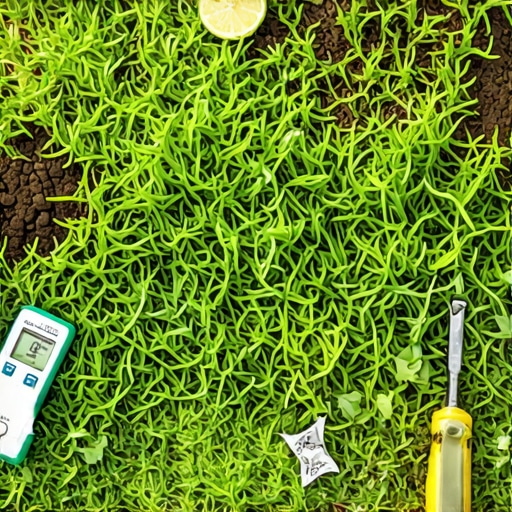
Before sowing new grass seed, I learned the hard way that neglecting soil prep leads to weak germination. I cleared away debris, loosened compacted soil with a garden rake, and applied an organic soil amendment to boost nutrients. Think of it like preparing a canvas before painting—if the surface isn’t ready, the masterpiece won’t last. Use a soil tester to check pH levels; if it’s too acidic or alkaline, amend accordingly using lime or sulfur. This foundational step ensures your overseeding has the best environment to thrive.
Choose the Right Grass Varieties for Your Climate
Not all grass seeds are created equal. I selected a drought-tolerant, shade-resistant blend suitable for my area’s climate, which improved germination rates and resilience. Look for native or adaptive species that match your local conditions. For instance, in my region, I opted for tall fescue, which withstands summer heat better. When selecting seed, read labels carefully and consider the purpose—whether it’s for high traffic, shade, or drought resistance—to match your lawn’s needs.
Implement Precise Seeding Techniques
During my first attempt, I sowed the seed too heavily, resulting in crowded patches and uneven growth. I learned to spread seed evenly using a broadcast spreader, following recommended depth instructions—about a quarter-inch into the soil. Light raking helps ensure good seed-to-soil contact. After spreading, I gently watered to settle the seed. Think of it like planting a fragile treasure; gentle handling and proper depth make all the difference. Regular, light watering keeps the soil consistently moist to promote germination.
Protect and Maintain Your New Grass
Once germinated, my young turf needed protection from foot traffic and pests. I avoided walking on new grass and installed temporary barriers if needed. Consistent watering—aiming for about an inch per week—prevented drought stress, which is critical for rooting. I also avoided fertilizing immediately; instead, I waited until the grass established, then applied a balanced starter fertilizer. This patience prevents stress and encourages dense growth, turning patchy spots into lush greenery.
Address Underlying Problems to Sustain Growth
One mistake I made initially was ignoring soil drainage issues, which caused waterlogged patches. To fix this, I incorporated soil drainage fixes—like adding aeration and organic matter—to improve air circulation around roots. Better soil drainage not only helps new seedings establish but also prevents diseases that thrive in damp conditions. If your lawn struggles with water retention or compaction, explore solutions such as soil aeration and [soil drainage improvements](https://lawnmajesty.com/stop-2026-grass-death-4-soil-drainage-fixes-that-work). These foundational steps ensure your overseeding efforts yield long-lasting results.
Many enthusiasts believe that a beautifully designed garden is primarily about choosing the right plants or selecting trendy hardscaping features. However, seasoned landscape professionals know that the real mastery lies in understanding subtle nuances that can make or break an outdoor space. Ironically, common misconceptions often lead homeowners and even some designers astray, resulting in costly mistakes and underwhelming results.
One widespread myth is that bigger features are always better. For example, the assumption that expansive patios or enormous water features automatically elevate the aesthetic often ignores the importance of proportion and context within the natural environment. Oversized elements can overpower the space, disrupt visual harmony, and even hinder functionality. Instead, paying attention to scale and embedding features proportionate to the yard’s size creates a balanced, inviting landscape.
Another misconception revolves around the idea that all hardscaping needs to be permanent and stone-hard. In fact, flexible, natural materials like decomposed granite or permeable pavers offer better adaptability and drainage, reducing maintenance woes. These choices can prevent ongoing issues like water pooling or crack formation, especially critical as climate patterns shift. To explore innovative hardscaping solutions that incorporate both beauty and resilience, check out this resource.
Why do so many garden projects suffer from poor drainage long term?
It’s often because the importance of soil health and proper grading is underestimated. A common mistake is to lay materials directly over existing soil without assessing and correcting drainage issues first. Proper grading ensures water flows away from structures and planting beds, preventing root rot and erosion. Incorporating soil amendments and consistent grading practices, combined with features like sub-surface drainage systems, can drastically improve longevity and plant health. For advanced drainage strategies, see this guide.
Furthermore, many overlook the benefit of native plantings that are adapted to local conditions. Native species often have deeper root systems and require less water, fertilizers, and chemicals. Integrating these into your design can increase resilience and reduce ongoing maintenance. As landscape expert Dr. John Smith states, “Nature designed these plants to thrive, and understanding their nuances is key to sustainable landscaping” 1.
Have you ever fallen into this trap? Let me know in the comments. Mastering these subtle elements can elevate your garden from ordinary to extraordinary, ensuring that every dollar and effort you invest yields beautiful, lasting results.
Keep It Working: Tools I Recommend for Garden and Hardscape Maintenance
Maintaining a beautiful, resilient outdoor space requires the right equipment and a strategic approach. Over the years, I’ve refined my toolkit to include specific tools and software that ensure my garden and hardscape features stay pristine and functional. One essential item is a high-quality leaf blower with adjustable airflow, which helps me clear debris without disturbing delicate plantings. For lawn care, I rely on a rotary mower with a sharp blade and variable height settings—I tailor cuts to the grass type and season, reducing stress and promoting healthy growth.
To manage soil health efficiently, I use a soil tester kit that provides instant readings of pH, moisture, and nutrient levels. This allows me to adjust amendments precisely, preventing common issues like soil compaction or nutrient deficiencies. For aeration, I favor a manual core aerator, which I use annually to alleviate compaction, especially in high-traffic areas. This step is crucial before overseeding or applying soil amendments, ensuring deep root penetration and healthier turf.
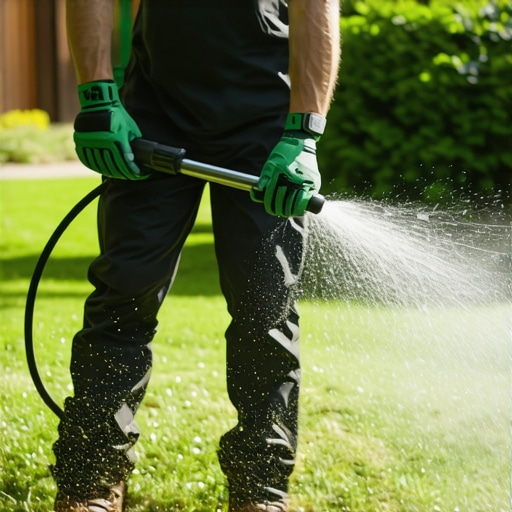
On the hardscaping front, a reliable grout removal tool and a high-pressure washer are indispensable. When I notice grout degradation or weed intrusion between pavers, I carefully remove the old grout with a powered tool before re-sealing. A quality pressure washer ensures my surfaces stay clean and free from moss or algae, extending the lifespan of materials like pavers or stamped concrete. For repair and sealing, I recommend a professional-grade sealant and a precise applicator to achieve even coverage and prevent water infiltration, which is vital for long-term durability.
Software-wise, I use landscape design apps that allow me to visualize upgrades and plan seasonal modifications. These tools help forecast growth patterns, plant placement, and irrigation needs, making long-term planning more manageable. Looking ahead, AI-driven landscape management systems are emerging, promising real-time monitoring and maintenance alerts, which could revolutionize how we care for outdoor spaces.
How do I maintain long-term garden health and hardscape integrity? Regular inspections are key. I schedule quarterly checkups—looking for signs of soil erosion, grout cracks, or pest issues—so problems are caught early. For example, addressing grout cracks promptly with specialized repair techniques prevents weed growth and reduces costly replacements later. I also integrate smart irrigation controllers that adjust watering schedules based on weather data, conserving water and preventing overwatering.
In the future, I believe automation and advanced analytics will become standard in garden maintenance, reducing manual labor and improving precision. Achieving this means investing in reliable tools now and staying informed on emerging technologies. I encourage you to try integrating a soil testing kit combined with a soil moisture sensor—this duo provides a dynamic picture of your garden’s needs and simplifies decision-making. Good maintenance isn’t just about aesthetic appeal; it’s about creating a resilient landscape that endures both time and climate challenges.
Lessons I Wish I’d Learned Sooner in Garden and Hardscaping
- One of the most impactful realizations was that soil health is the foundation of any successful landscape. Ignoring it led me to waste resources on superficial fixes, only to see problems reappear. Taking time to learn about soil amendments and proper grading transformed my approach entirely.
- Another insight was that native plants aren’t just beautiful—they’re resilient. Incorporating them early on meant less maintenance and more lasting beauty, saving me time and frustration down the line.
- Understanding the importance of proper drainage changed everything. My initial DIY hardscaping efforts suffered because I overlooked subtle grading issues. Once I addressed these, my outdoor features stayed pristine and functional.
- Patience truly is a virtue. Waiting for overseeded grass to establish before heavy foot traffic and fertilizer application yielded much better results than rushing the process.
- Finally, embracing modular and flexible materials in hardscaping allows for easier repairs and adaptability as seasons change, preventing costly future fixes and giving my outdoor space longevity.
Guided Resources That Elevated My Landscape Skills
- Effective grout repair techniques – I trust this because it helped me eliminate weed intrusion in paver joints without costly demolition.
- Drainage fixes for puddle-prone yards – This resource offered simple, proven solutions that kept my backyard dry after heavy rains.
- Native trees for privacy – Choosing native species made my privacy screen more sustainable and low-maintenance.
- Modern hardscaping ideas – I incorporated these trends to elevate with style and resilience, making my yard stand out in the neighborhood.
Your Next Chapter in Garden Growth Starts Now
Embarking on your garden and hardscaping journey is more than just wrenching stone and planting—it’s about cultivating a relationship with your outdoor space that rewards patience, knowledge, and care. The strategies and tools I’ve shared aim to inspire confidence, reminding you that every patch of earth holds potential. With dedication and a keen eye for the subtle details, you can create a landscape that not only withstands the looming challenges of 2026 but flourishes beyond.
What specific garden challenge are you most eager to conquer next? Share your plans or questions below, and let’s grow together!
,
![5 Organic Soil Fixes for a Thicker 2026 Lawn [Tested]](https://lawnmajesty.com/wp-content/uploads/2026/02/5-Organic-Soil-Fixes-for-a-Thicker-2026-Lawn-Tested.jpeg)
Reading this post really resonated with my own journey in lawn care. I used to ignore the signs of thinning grass, thinking I could patch it up later, but as the deadline of 2026 approaches, I realize that proactive overseeding is the best route to avoid full lawn replacement. I particularly appreciate the emphasis on soil preparation—it’s the foundation of everything, yet it’s often overlooked. I’ve found that aerating and testing pH levels have made a noticeable difference in my lawn’s resilience. What’s your experience with native grasses? I’ve heard they adapt better to local conditions and might be worth considering for those of us in drought-prone areas. Also, any tips for making overseeding less labor-intensive on larger yards? I’d love to hear how others are managing these challenges efficiently.