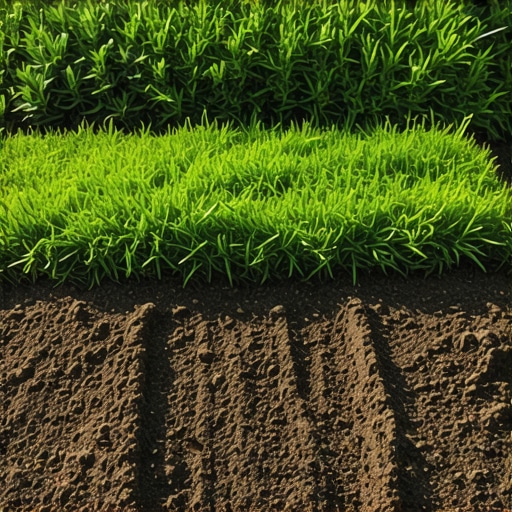
Have you ever stared at your lush, green lawn only to notice suspicious patches of moss creeping where grass once thrived? It was a frustrating weekend for me—trying to nurture my turf, only to be outsmarted by stubborn moss that refused to budge. That lightbulb moment hit me hard: the real culprit wasn’t just neglect or shade; it was the soil’s pH imbalance, secretly sabotaging my efforts. If you’ve faced the same turf trouble, you’re not alone—and I want you to know there’s a simple, proven way to turn things around.
Why Soil pH Is the Hidden Enemy of a Healthy Lawn
Understanding soil pH might sound technical, but trust me, it’s the key to a lush, moss-free yard. When soil becomes too acidic, moss finds it inviting while your grass struggles to compete. Early on, I made the mistake of assuming regular fertilization would do the trick—big mistake. I overlooked the pH levels, assuming my lawn’s issues were due to watering or shade alone. Turns out, soil testing revealed my pH was off-balance, making it a perfect environment for moss to flourish. The good news? Fixing soil pH is straightforward, often requiring just a few quick soil amendments, and is one of the most effective tactics I’ve used.
Is Quick Soil pH Adjustment Really Worth the Effort?
Many folks, including myself at first, wonder if these quick fixes are just hype or actually deliver results. I’d say, absolutely worth it. I used to fear that soil amendments might be complicated or costly, but after a few simple measures—like applying lime or sulfur—I saw a remarkable transformation within weeks. Plus, a proper pH balance not only discourages moss but also boosts grass vigor, making your entire lawn healthier and more resistant to future problems. Don’t make my early mistake—skipping soil testing or delaying pH correction can waste time and money while moss continues to take over your yard.
If you’re tired of battling moss and ready to reclaim your yard’s lushness, stay tuned. I’ll walk you through four quick soil pH fixes that can turn your mossy nightmare into a vibrant lawn. Ready to get started? First, let’s look at the importance of testing your soil accurately and understanding its needs.
Test Your Soil for Precise pH Levels
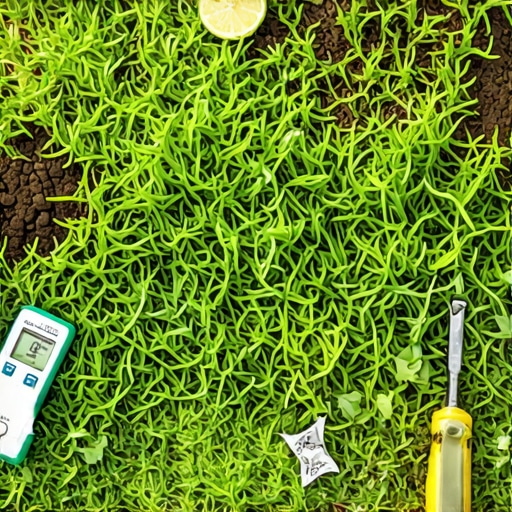
Start by collecting soil samples from various parts of your lawn using a soil test kit. I remember my messy first attempt—spilling soil on my shoes and getting dirt everywhere—but it was worth it. Once I sent the sample to the lab or used a home testing kit, I discovered my pH was significantly acidic, favoring moss growth. Knowing this baseline allows you to tailor your amendments effectively, much like choosing the right paint color before redecorating your home.
Apply Lime or Sulfur Correctly
If your soil tests show acidity (pH below 6.0), applying lime will raise the pH to a more grass-friendly level. Conversely, if your soil is too alkaline, sulfur can help lower the pH. I used a broadcast spreader to evenly distribute the lime across my lawn. It was a bit dusty, and I had to wear a mask, but spreading the lime in the early morning minimized dust clouds. After meandering over the yard, I gave the lime time—about two weeks—before watering thoroughly, allowing the soil to absorb the amendments.
Timing Matters for Soil Amendments
Implement amendments during the cooler months or when your grass is actively growing. I made the mistake of applying lime during a scorching summer, which caused uneven distribution and less effective results. Follow the manufacturer’s instructions on application rates; over-application can harm your lawn, akin to using too much seasoning on food, overpowering the natural flavor.
Monitor and Reassess Soil pH Regularly
Keep track of your soil’s pH after amendments by testing every few months. I kept a simple record, noting the date and pH level, which helped me determine when to reapply. Achieving the right balance took patience—it’s similar to tuning a musical instrument until every string sings in harmony. Once balanced, you’ll notice a decline in moss patches and a vibrant, healthy lawn.
Adjust Watering and Shade to Support Your Efforts
While soil pH correction is crucial, don’t forget to complement it with proper watering practices and reducing shade. I minimized watering during heavy rains to avoid leaching away amendments and pruned some overhanging branches to allow more sunlight. Think of soil amendments as the foundation—everything else complements this core step, much like adding durable bricks ensures the stability of a wall. For more on creating a resilient, lush lawn, visit landscaping design tips.Even experienced gardeners and landscapers often fall prey to misconceptions about their outdoor spaces. A widespread myth is that more frequent watering leads to healthier lawns, but overwatering can drown roots and promote fungal diseases, highlighting the importance of understanding your soil’s specific needs. Additionally, many believe that investing heavily in decorative features alone guarantees a stunning yard—forgetting that balanced design and maintenance are equally crucial. This misconception can lead to neglected plant health or structural issues down the line.
Another nuance often overlooked is the importance of soil composition, not just pH levels. Soil texture and organic matter significantly influence drainage and nutrient availability, yet many homeowners focus solely on fertilization without considering these factors. Incorporating proper soil amendments tailored to your soil type can prevent issues like compaction or poor drainage that undermine your hardscape and planting efforts.
A common mistake involves installing hardscaping features like paver patios or retaining walls without adequate planning for drainage. Improper drainage can cause water pooling and erosion, damaging structures and the surrounding landscape. For instance, permeable pavers are increasingly popular—they allow water to seep through, reducing runoff and puddles. To avoid pitfalls, always integrate effective drainage solutions during the design phase; a recent study emphasizes how proper water management extends the lifespan of outdoor structures [Source: Landscaping & Outdoor Living Study, 2022].
From a garden design perspective, some assume that flashy plant varieties or trendy decor will overshadow poor planning. In reality, cohesive design depends on understanding plant compatibility, sunlight, and space. If you cram your garden with quick-growing flowers without considering mature size or shade needs, you risk frequent restructuring. Instead, adopting a strategic layout, like the principles outlined in the top gardening design trends for 2025, ensures longevity and visual harmony.
Why Do Many Mistakes Come from Overlooking Advanced Details?
Many backyard upgrades falter because enthusiasts focus on aesthetics over fundamentals. For example, choosing fast-growing turf without considering drought tolerance or soil stability leads to higher maintenance and long-term costs. Advanced homeowners dig deeper into soil testing, water management, and material selection—details that make a difference between a good yard and a truly exceptional outdoor space.
To elevate your outdoor design beyond basic trends, explore innovative ideas like modern hardscaping or low-tech drainage fixes. These strategies not only enhance durability but also increase your property’s value. For inspiration, check out the top hardscaping trends for 2025 or hardscaping ideas that create stunning outdoor spaces. Remember, the devil is in the details, and understanding these hidden nuances can save you time, money, and frustration in the long run.
Have you ever fallen into this trap? Let me know in the comments.
Maintaining a lush and healthy lawn over the long term requires the right tools and a disciplined approach. From soil testing kits to specialized aerators, every piece of equipment I rely on has been selected based on its effectiveness and durability. Investing in quality tools not only simplifies routine tasks but also ensures consistent results, which is crucial for ongoing lawn health.
How do I maintain my lawn tools to keep them working effectively?
Proper maintenance starts with cleaning your tools after each use. For instance, I always scrub my soil probes and aerators to remove dirt and prevent rust. Sharpen blades on mowers and shears regularly; dull blades tear grass and can introduce disease. Lubricating moving parts ensures smooth operation and extends the lifespan of the equipment. Storing tools in a dry, organized space prevents damage and makes them easy to access when needed.
In terms of technology, I swear by digital soil test kits that sync with smartphone apps. They provide immediate pH readings and nutrient profiles, allowing me to adjust amendments precisely. This integration saves time and reduces the guesswork involved with traditional testing methods. As the trend toward smart gardening evolves, I forecast more advanced tools integrating real-time monitoring with automated adjustments—making lawn care more efficient and less labor-intensive.
What are some essential tools I recommend for ongoing lawn upkeep?
An effective lawn maintenance kit includes a quality dethatcher, aerator, and a moisture meter. I prefer a manual aerator with sharp tines, which I use annually to relieve soil compaction and promote root growth. A handheld moisture meter helps me determine whether the soil needs watering, avoiding over- or under-watering. For larger properties, a robotic mower can keep grass tidy with minimal effort; just ensure proper boundary wiring to prevent mishaps. To reduce the need for mower maintenance, consider a mulching attachment, which recycles clippings into valuable organic matter.
Remember, regular maintenance is vital for long-term lawn success. For instance, applying consistent aeration discourages thatch buildup, and monitoring soil health prevents problems before they become severe. For comprehensive lawn health, I recommend scheduling seasonal tool tune-ups similar to how a mechanic services a car—this keeps everything running smoothly and extends device longevity.
Where are lawn care tools headed in the future?
The future points toward even smarter, integrated systems. Wearable sensors coupled with AI-driven analysis will provide personalized lawn care plans, alerting homeowners to needs immediately. Additionally, advancements in sustainable materials will lead to more eco-friendly tools with longer-lasting components. As machine learning algorithms become more sophisticated, the industry will see autonomous tools that perform complex tasks without human intervention, making lawn maintenance more accessible and consistent.
If you’re eager to elevate your lawn care routine, try implementing a digital soil testing kit combined with scheduled aeration visits. It’s a game-changer in maintaining your yard’s health with minimal effort. Investing in these tools and practices now will pay dividends, ensuring a resilient, vibrant lawn for years to come.
Over the years, I’ve learned that mastering soil pH levels is a game-changer in achieving a vibrant, moss-free lawn. It’s easy to overlook this tiny detail, but understanding and adjusting soil acidity can transform your yard from stubborn moss patches to lush green expanses. By embracing this knowledge, you gain control over the unseen forces influencing your lawn’s health and beauty.
The Biggest Lesson Moss Taught Me About Soil Secrets
- Don’t Assume Fertilizer Is Enough: I used to pour on nutrients, thinking I could outsmart moss. It wasn’t until I tested my soil that I realized pH imbalance was the real villain. This lightbulb moment made me appreciate how crucial soil chemistry is.
- Nature Responds to Balance: Achieving a proper pH isn’t just about fixing moss; it boosts grass’s resilience, making lawns less vulnerable to future issues. It’s like tuning an instrument—once dialed in correctly, everything sounds better.
- Timing and Soil Amendments Matter: Applying lime or sulfur at the right time, during cooler months, maximized absorption and results. It’s a simple step that yields long-term rewards, much like planting bulbs in the fall for spring beauty.
My Favorite Tools for Soil pH Mastery
- Smart Soil Test Kits: Devices that sync with apps help me get instant, accurate readings. They’re affordable, easy to use, and remove the guesswork from soil management.
- Reliable Amendments: I trust finely ground lime and sulfur from reputable brands because of their consistency and proven results. Proper application tools, like broadcast spreaders, make even coverage simple.
- Educational Resources: Books and online guides, especially those discussing soil health and sustainable practices, deepen my understanding and keep me motivated.
Your Grass Can Surpass All Expectations
Now is the perfect moment to take charge of your lawn’s health. Correcting soil pH isn’t a magic fix; it’s a cumulative process that empowers you to create a resilient, verdant oasis. Start with a simple soil test, apply targeted amendments, and monitor your progress. Remember, patience makes perfect—your dream lawn is within reach if you listen to your soil’s needs.