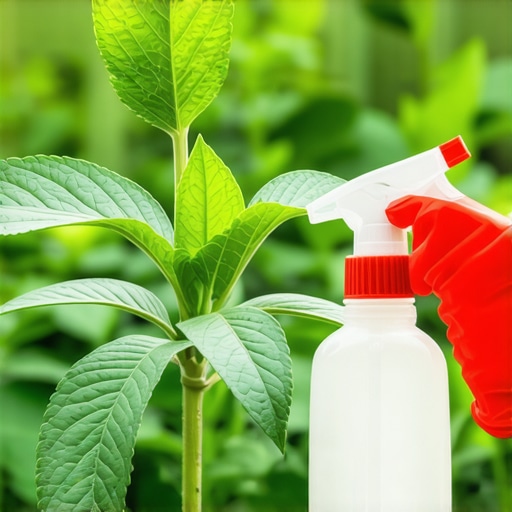
Stop 2026 Rose Aphids with Insecticidal Soap
The Science of Early Season Scouting and Aphid Biology
Controlling rose aphids in 2026 requires a technical understanding that these pests are soft-bodied insects that thrive on nitrogen-rich new growth, causing leaf curling and sooty mold via honeydew secretion. Using insecticidal soap offers a high-efficacy, contact-kill solution that dissolves the insect’s protective cuticle, leading to rapid desiccation without the ecological fallout of broad-spectrum neurotoxins. I always drill into my new crew members: if you don’t fix the scouting routine first, every preventative measure you take is just a waste of the client’s money. We don’t just spray; we diagnose. I’ve seen apprentices blast a rose bush with high-pressure water only to find the aphids back 48 hours later because they missed the eggs tucked into the leaf axils. You have to look at the microscopic reality. An aphid isn’t just a bug; it’s a specialized sap-sucking machine that can produce live young through parthenogenesis, meaning a single female can trigger an infestation in days. If the soil grading is off and the plant is stressed by standing water, its natural defenses drop. We fix the environment, then we apply the chemistry. Don’t skip the inspection. It’s the foundation of IPM.
“Aphid populations can increase rapidly under favorable conditions, with many species capable of producing several generations per year in temperate climates.” – Penn State Department of Entomology
The Chemistry of Potassium Salts of Fatty Acids
Not all soaps are created equal. In the professional landscape industry, we utilize potassium salts of fatty acids, specifically selected for their chain length to maximize insecticidal properties while minimizing phytotoxicity. Household detergents are not soaps; they are synthetic surfactants designed to strip grease from ceramic. If you put Dawn on a high-end hybrid tea rose, you are stripping the waxy cuticle—the epicuticular wax—off the leaf itself. This leads to massive moisture loss and eventual necrosis. Professional insecticidal soap works by disrupting the cellular membrane integrity of the Macrosiphum rosae. It is a physical kill, not a systemic one. This means your coverage must be 100%. If you miss the underside of the leaf, you’ve failed the application. The soap must physically wet the insect to be effective. Once it dries, the efficacy drops to near zero. Timing is everything. We spray at dawn or dusk when the stomata are less reactive and the evaporation rate is low. It requires precision. No shortcuts.
| Feature | Professional Insecticidal Soap | Consumer Dish Detergent |
|---|---|---|
| Active Ingredient | Potassium Salts of Fatty Acids | Sodium Lauryl Sulfate / Surfactants |
| Leaf Safety | High (Tested for Phytotoxicity) | Low (Causes Cuticle Breakdown) |
| Residue Risk | Minimal | High (Salt Accumulation) |
| Kill Mechanism | Cell Membrane Rupture | Surface Tension Reduction |
How often should I spray roses for aphids?
For a standard 2026 infestation, you must apply insecticidal soap every 7 to 10 days until the population is suppressed below the economic threshold. Because these soaps have no residual effect, you are only killing the aphids present at the moment of impact. New crawlers will emerge from eggs or migrate from nearby weeds. Consistent monitoring is the only way to ensure the rose’s vascular system remains uncompromised. Check the buds. They love the tender tissue there.
The Application Checklist: Precision over Volume
- Verify the ambient temperature is below 85°F to prevent leaf scorch.
- Calibrate your sprayer to a fine mist setting for maximum leaf surface coverage.
- Target the ‘drip line’ and the interior stems where air circulation is lowest.
- Monitor the 24-hour weather forecast; rain within 4 hours necessitates a re-application.
- Test a single branch 24 hours before full-scale application to check for cultivar sensitivity.
“The effectiveness of soap sprays is limited to the time that the spray is wet; once dry, there is no residual activity against migrating insects.” – Texas A&M AgriLife Extension
Environmental Factors and Hydrostatic Stress
In the landscape engineering world, we see a direct correlation between hydrostatic pressure in the soil and aphid susceptibility. A rose bush that is struggling with poor drainage or compacted clay soil cannot maintain the turgor pressure needed to resist piercing-sucking mouthparts. If your garden design doesn’t account for soil aeration, you’re essentially setting up an aphid buffet. We use soil probes to check for compaction layers before we even talk about spray schedules. Nitrogen management is also key. Over-fertilizing with quick-release synthetic nitrogen creates a flush of succulent growth that acts as a beacon for aphids. Use slow-release organic meals instead. It’s about balance. The soil is the stomach of the plant. Feed it correctly and the aphids have a harder time. Hardscaping also plays a role; heat radiating from concrete pavers can stress roses, making them more attractive to pests. Consider the thermal mass of your design. It matters.
Does insecticidal soap kill beneficial insects?
While insecticidal soap is much safer than pyrethroids, it can still impact soft-bodied beneficials like ladybug larvae or lacewing nymphs if they are directly hit. However, because it has no residual toxicity, once the spray dries, ladybugs can safely walk across the leaves to hunt any survivors. This is the definition of integrated pest management. You are surgically removing the pest while preserving the predatory ecosystem. It requires a steady hand and a trained eye. Don’t spray blooming flowers where pollinators are active. It’s common sense, but common sense isn’t always common in this trade. Keep the nozzle pointed at the foliage. Protect the bees. Focus on the target.
![Stop 2026 Mulch Mold: Use This $10 Rake Hack [Fast Fix]](https://lawnmajesty.com/wp-content/uploads/2026/06/Stop-2026-Mulch-Mold-Use-This-10-Rake-Hack-Fast-Fix.jpeg)