Stop 2026 Tree Root Damage with Proper Soil Health Secret
I always drill into my new crew members: if you don’t fix the soil grading first, every plant you put in the ground is just expensive compost. I have seen it a thousand times. A homeowner spends five figures on a new landscape only to have the trees start flagging and the roots begin heaving the pavers within twenty-four months. The problem is not the tree species. The problem is the biology you ignored under the surface. If you want to prevent root damage in 2026, you have to understand that tree health is a lagging indicator. The stress you inflict today by over-compacting soil or ignoring drainage will not show its full face for two years. By then, it is often too late to save the specimen without expensive surgical intervention.
The Secret of Soil Biology in Preventing Root Damage
Proper soil health stops 2026 tree root damage by optimizing macropore space and cation exchange capacity. When soil is aerated and biologically active, roots grow deeper to access stable moisture, preventing surface heaving and structural damage to hardscaping and lawn care systems. Most contractors treat soil like dirt. Dirt is dead. Soil is a living matrix. If your soil lacks the proper pore space, your tree roots will stay in the top two inches of the surface to breathe. That is when they start ripping up your sidewalk. You need a bulk density below 1.5 grams per cubic centimeter to ensure those roots head downward where they belong.
“Roots do not grow toward anything; they grow where the environment is most favorable.” – International Society of Arboriculture (ISA)
Why are my tree roots surface-growing in my lawn?
Surface roots are a desperate cry for oxygen caused by soil compaction and thatch buildup. When the soil is too tight for gas exchange, the roots migrate to the surface to find air. This ruins your garden design and creates a trip hazard. Stop watering for ten minutes every day. That only keeps the surface wet. You need deep, infrequent irrigation that forces the roots to chase the moisture down into the subsoil. Dig a test hole. If you see grey, smelly clay, you have anaerobic conditions. Fix it now or lose the tree by 2026.
Soil Compaction: The Silent Killer of Urban Trees
Compaction is the single greatest threat to tree longevity in modern landscaping. Every time a heavy mower or a skid steer drives over a root zone, it crushes the capillary pores that hold water and air. You are essentially suffocating the tree in slow motion. I have seen $50,000 projects fail because the builder parked his trucks under the shade of an old oak. The soil becomes as hard as concrete. The roots die back. The following year, the canopy thins. The year after that, the tree becomes a hazard. Check your soil penetrometer readings. If they are over 300 PSI, your roots are hitting a wall. You must use pneumatic soil excavation to break that up without killing the feeder roots.
“Soil compaction is the single most difficult and expensive environmental problem to correct in the landscape.” – Cornell University Department of Horticulture
| Soil Treatment Method | Impact on Root Depth | Cost Factor | Long-term Benefit |
|---|---|---|---|
| Core Aeration | Moderate | Low | Seasonal Maintenance |
| Vertical Mulching | High | Medium | Improved Gas Exchange |
| Air-Spade Remediation | Extreme | High | Reversing Severe Compaction |
| Compost Top-dressing | Low/Medium | Low | Nutrient Cycling |
Designing Landscapes Around Root Zones
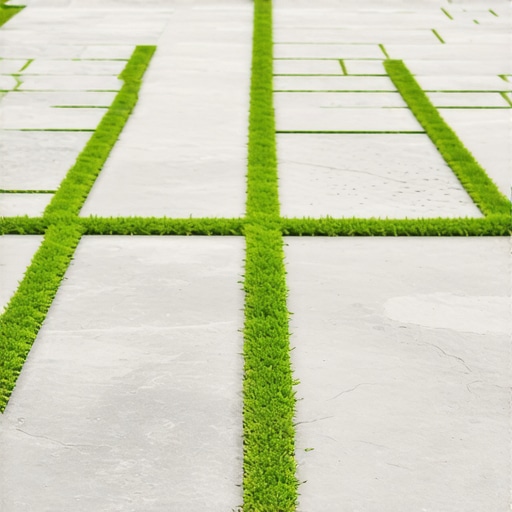
Successful garden design requires respecting the Critical Root Zone (CRZ). This is not just the area under the branches. For most species, the roots extend two to three times the width of the canopy. When you install hardscaping like a patio or walkway, you are cutting off the tree’s access to water and nutrients. Use permeable pavers. Use structural soil that can be compacted for engineering stability while still allowing root penetration. If you pour a standard concrete slab over 40% of a tree’s root system, you are signing its death warrant. The tree will try to survive by pushing those roots up through your expensive masonry.
How much modified gravel do I need for a patio base near a tree?
For a standard patio, you need 6 inches of compacted 2A modified gravel, but near trees, you should use structural soil or an open-graded base. This allows for hydrostatic pressure relief and oxygen movement. Do not use stone dust. Stone dust creates an impermeable layer that acts like a plastic bag over the roots. It will rot the root system. Use clean #57 stone instead. It provides the strength you need for the pavers without killing the biology underneath. Dig by hand. If you hit a root larger than two inches, do not cut it. Bridge over it. It is the tree’s structural anchor.
- Test the pH: Aim for 6.0 to 7.0 for most deciduous trees.
- Check the Flare: The root flare must be visible above the soil line.
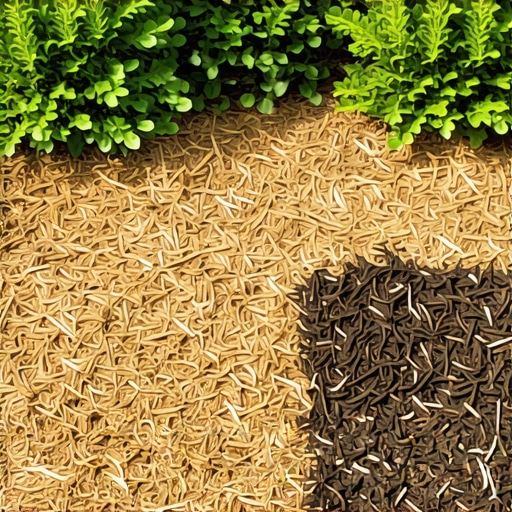
- Mulch Correctly: No mulch volcanoes; keep it three inches away from the bark.
- Monitor Moisture: Use a tensiometer to check deep soil moisture levels.
- Avoid Salts: Cheap fertilizers and winter salts destroy soil structure.
The Post-Installation Monitoring Phase
The work is not done when the truck pulls out of the driveway. Year one and year two are the most critical. You must monitor for signs of drought stress or nutrient lockout. If the leaves look chlorotic (yellow with green veins), your soil pH is likely too high, making iron and manganese unavailable. Do not just throw more nitrogen at it. You will burn the remaining roots. Use a chelated micronutrient drench. This is the difference between a pro and a hack. We look at the chemistry. We look at the physics. We do not just look at the aesthetics. A beautiful yard that dies in twenty-four months is a failure of engineering. It is that simple.