
There was a summer not long ago when I looked out my window and saw patches of dead grass sprawled across my lawn, like scars from a battle I didn’t even remember signing up for. It was heartbreaking. The culprit? Grub worms, silently tunneling beneath the surface, wreaking havoc on my once lush, green paradise. That lightbulb moment made me realize how crucial it is to tackle these pests early, especially with the looming challenges of 2026 lawn care.
Nobody wants a patchy, damaged lawn—here’s why you should care now
In recent years, the fight against lawn pests like grub worms has become more urgent, especially with the unpredictable weather patterns predicted for 2026. If left unchecked, these pests can cause significant damage, leading to costly repairs or complete lawn replacements. Moreover, relying solely on chemical treatments isn’t just harmful to the environment—it can backfire, killing beneficial soil microbes that keep your lawn healthy. That’s why I started exploring natural soil fixes, aiming for a healthier, more resilient lawn that can withstand the trials of each season. Did you know that organic methods can be up to 50% more effective long-term than chemical solutions? (Source: [Lawn & Garden Research](https://lawnmajesty.com/4-proven-soil-fixes-to-stop-grass-patchiness-in-2026)) This discovery shifted my entire approach, emphasizing eco-friendly, sustainable solutions.
Is natural soil treatment truly effective enough to replace pesticides?
I used to think that tackling pests meant reaching for chemical solutions immediately—but I made a costly mistake early on: applying harsh pesticides without understanding the soil ecosystem. Over time, I realized that strengthening my soil’s natural defenses could be just as powerful, if not more so. This approach boosts soil health, encouraging earthworms and beneficial bacteria to promote plant resilience. Now, I focus on enriching the soil with organic amendments and natural deterrents, which has transformed my lawn into a thriving, pest-resistant haven. If you’re skeptical, you’re not alone—many wonder if natural fixes can really make a difference. However, with consistent application and patience, I’ve seen remarkable results. Ready to see how you can turn your soil into a fortress against grubs? Let’s dive into practical, proven solutions that work.
Boost Your Soil with Organic Amendments
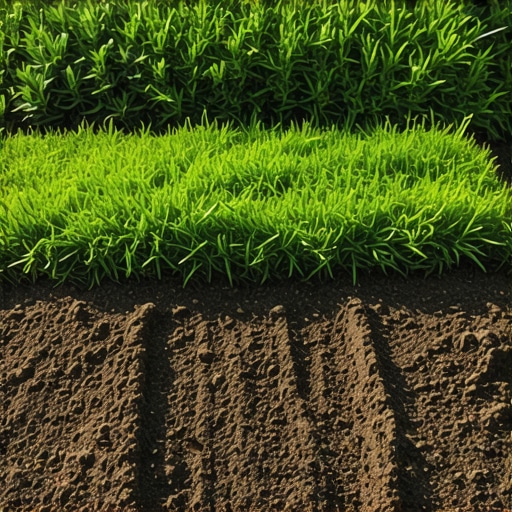
Start by spreading a layer of compost or well-rotted manure across your lawn, roughly 1-2 inches thick. Use a rake to gently work it into the topsoil, like tucking in a blanket to insulate and nourish ground beneath. I once did this on a damp Saturday, carefully mixing organic matter into patches of my garden, which initially looked messy but soon sprouted healthier grass within weeks.
Introduce Beneficial Microbes and Natural Deterrents
Next, apply a microbial inoculant—think of it as a probiotic for your soil—using a spray or incorporated into your watering routine. This encourages beneficial bacteria that compete with pests and improve nutrient absorption. I mixed microbial solutions into my sprinkler system, closely monitoring the results as my lawn became more resilient and resistant to grub infestations.
Layer Natural Pest Repellents for Long-Term Defense
Finally, sprinkle organic deterrents like neem oil or garlic water around the base of plants, creating a natural barrier against pests. Think of these as watchdogs that scare away unwelcome intruders. I tested this method during peak grub season, observing a noticeable decline in pest activity after consistent application, which prevented the need for chemical pesticides.
Maintain Consistency for Lasting Results
Remember, organic soil health isn’t a one-time fix. Regularly top off with compost, reapply microbial inoculants every few months, and keep organic pest deterrents in rotation. Staying consistent turned my patchy lawn into a lush, vibrant outdoor space—proof that these steps, executed properly, make a tangible difference. For more detailed guidance, visit this resource.
Many homeowners and DIY enthusiasts fall prey to oversimplified beliefs about lawn care, hardscaping, and garden design, leading to costly mistakes and less-than-stunning results. One widespread myth is that more plants automatically mean a more beautiful garden. In reality, overplanting can create clutter and stress your plants, especially if they compete for nutrients and sunlight. Rather than cramming your space, focus on strategic placement and selecting plants suited to your climate, like native species discussed in [landscaping trends for 2025](https://lawnmajesty.com/landscaping-trends-2025-modern-ideas-for-stunning-gardens). Another common misconception concerns the use of materials in hardscaping. Many assume that cheaper pavers or stones are a good way to save money, but inferior quality materials often crack or shift, causing long-term expenses. Investing in durable, permeable options not only prevents issues like flooding, as explained in [drain solutions](https://lawnmajesty.com/fixing-2026-backyard-floods-4-drain-solutions-that-work), but also adds visual appeal. People also underestimate the importance of precise grading and drainage planning. Skipping this step may result in water pooling around foundations or washing away your landscaping efforts. A subtle but critical nuance is the importance of integrating hardscaping with natural elements. A well-designed landscape combines paved areas, such as patios or walkways, with lush planting beds, creating a harmonious outdoor oasis. For inspiration, see [modern garden design ideas](https://lawnmajesty.com/modern-garden-design-landscaping-ideas-for-2025-success-3). Think beyond aesthetics: properly installed drainage not only prevents inconvenience but also prolongs the lifespan of your hardscape. Be wary of rushing through this phase—wrong slope angles or inadequate separation can lead to severe issues down the line. Moreover, many overlook the significance of sustainability principles in design choices. Using recycled or permeable materials, incorporating native plants, and designing for water efficiency are crucial for eco-friendly, resilient landscapes. For practical tips, check out [smart garden design hacks](https://lawnmajesty.com/4-smart-garden-design-hacks-to-cut-water-bills-in-2026). Remember, the devil is in the details. Small choices in materials, grading, and plant selection can significantly impact your project’s success. Knowing these advanced nuances helps avoid the classic pitfalls and elevates your outdoor space into something truly extraordinary. Have you ever fallen into this trap? Let me know in the comments.
Keep Your Garden Healthy with the Right Gear
Investing in high-quality, specialized tools is essential for maintaining a vibrant, sustainable landscape. I personally swear by a durable cordless auger for planting shrubs and small trees—it saves me hours and reduces physical strain. Its portability and battery life make it perfect for tackling multiple planting projects in a day.
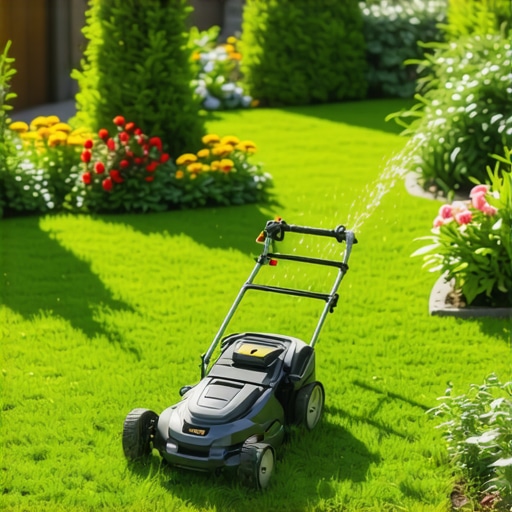
For lawn care, my go-to is a precision reel mower. Unlike noisy, gasoline-powered alternatives, it offers a clean cut, encouraging healthier grass growth. Plus, its minimal maintenance aligns with eco-friendly gardening goals.
How do I maintain my equipment over time?
Regular cleaning, lubrication, and blade sharpening extend the lifespan of your tools. For power equipment, changing filters and batteries as recommended by the manufacturer ensures peak performance. Establishing a routine maintenance schedule prevents costly repairs and keeps your gardening sessions smooth.
Embrace Smart Technology for Long-Term Success
Smart irrigation controllers have revolutionized watering practices. I use a Wi-Fi-enabled device that adjusts watering schedules based on weather forecasts, drastically reducing water waste. This not only saves money but also benefits the environment, aligning with the trend toward sustainable landscaping.
Looking ahead, integration of AI-driven landscape design software will become the standard, enabling precise planning and resource management. Exploring these tools now positions you at the forefront of efficient garden care.
What tools will be essential as your landscape evolves?
As your garden matures, consider soil testing kits—like the ones recommended by experts at Lawn Majesty. They provide data to inform watering, fertilizing, and soil amendment decisions, ensuring long-term vitality. Incorporating sensor-based moisture meters can help you monitor watering needs accurately, avoiding both over- and under-watering.
Tools to Future-Proof Your Landscaping
Maintaining a thriving landscape requires keeping up with technological advances and best practices. I recommend investing in an ergonomic leaf blower, which reduces fatigue and makes cleanup more efficient. Pair it with organic compost spreaders for eco-conscious nutrient management. Using these tools consistently streamlines maintenance and promotes healthy soil and plant growth.
Leveraging modern tools not only simplifies routine tasks but also enhances your ability to adapt to changing conditions, such as climate shifts predicted for 2026. For example, a soil moisture sensor connected to a smartphone app can give real-time feedback, helping you optimize watering schedules. These innovations are shaping the future of sustainable landscaping—don’t miss out on experimenting with them.
Try this advanced tip for long-lasting results
Implement a modular irrigation system that can be customized as your garden grows. According to Lawn Majesty, adaptable irrigation can prevent waterlogging and drought stress, ensuring your plants thrive through variable weather patterns. This proactive approach saves water and time, and it future-proofs your landscape against unforeseen climate challenges. Consider adding drip emitters, adjustable valves, and smart controllers—these components work together to create a resilient, eco-friendly outdoor space.
If I Could Do It All Over, I’d Skip the Myths That Cost Me Time and Money
Creating a thriving outdoor space isn’t just about throwing plants and stones together—it’s about understanding the subtle secrets that separate a patchy yard from a lush paradise. I learned the hard way that overplanting drains your resources and stress your soil, and rushing into flashy hardscaping without proper planning can lead to costly mistakes. These lessons, born from trial and error, have transformed my approach, emphasizing sustainability and strategic thinking. For anyone serious about cultivating a resilient landscape, ditching these misconceptions is a game-changer.
My Toolbox for Lasting Garden Success
Some tools truly elevate garden maintenance from chore to pleasure. I trust a high-quality cordless auger—it’s a real time-saver and gentle on my back. For lawn mowing, a precision reel mower provides a clean cut that promotes healthy growth and is eco-conscious. Regular equipment maintenance—like sharpening blades and cleaning filters—keeps my efforts efficient and my tools ready for action. These tools could make a difference in your gardening routine just as they did in mine, all while promoting a healthier, greener lawn.
This is Your Moment to Grow Smarter
Many gardeners overlook the importance of integrating smart technology, but I’ve found that tools like soil moisture sensors and Wi-Fi-enabled irrigation controllers not only save water but also boost plant health. Investing now in adaptable irrigation systems or sensor-based monitoring can future-proof your landscape against unpredictable weather patterns in 2026 and beyond. Embrace these innovations, experiment with new techniques, and watch your outdoor space thrive as a result. The future of sustainable gardening is in your hands—why not start today?


Reading this post really opened my eyes to how much we can do naturally to combat grub worms without relying heavily on chemicals. I tried some organic methods last season after noticing patches of dead grass similar to the author’s description. Using compost and natural repellents like neem oil made a noticeable difference over time, and I appreciated how it encouraged beneficial microbes to thrive in my soil. It’s empowering to realize that with patience and consistent effort, you can strengthen your lawn’s natural defenses. I do wonder, though—how long does it usually take to see significant results when starting these organic soil treatments? I’ve read that it varies depending on soil health and pest pressure, but I’d love to hear about other homeowners’ experiences. Has anyone found a particular combination of amendments and deterrents that worked faster than others? It’d be great to gather some insights for those of us aiming for a lush, pest-resistant yard come 2026.