Stop pruning your azaleas at the wrong time
The Planning Phase of Structural Horticulture
Successful landscaping and garden design are 80 percent preparation and 20 percent execution. Before a single azalea is placed in a hole, the site must be analyzed for drainage, soil pH, and sun exposure. I always drill into my new crew members: if you don’t fix the soil grading first, every plant you put in the ground is just expensive compost. In my 20 years of hardscaping and planting, I have seen more money wasted on dead nursery stock than on any other mistake. If the soil is a heavy clay that holds water like a bathtub, your Rhododendron species will suffer from Phytophthora root rot before they ever get a chance to bloom. We measure the percolation rate of the soil by digging a 12-inch hole, filling it with water, and timing how long it takes to drain. If it is slower than one inch per hour, the site is a death trap for Ericaceous plants.
The Biological Reality of Azalea Bud Set
The proper pruning time for azaleas is determined by the plant’s bud-setting cycle, which usually begins within three to four weeks after the current season’s flowers have dropped. To maximize flower production and maintain shrub health, you must perform all major structural pruning immediately after the spring bloom finishes and before the plant initiates floral primordia for the following year. If you wait until late summer or autumn, you are physically removing the embryonic flower buds that the plant has spent its metabolic energy creating. This results in a green but flowerless shrub the following spring, often leading homeowners to mistakenly believe the plant is diseased or needs more fertilizer. It is not a disease; it is a mechanical error. It is a failure of timing.
“Pruning after July will often remove the next season’s flower buds, as these plants develop floral primordia in response to decreasing day length.” – American Horticultural Society Manual
When is it too late to prune azaleas?
In most USDA Hardiness Zones, any pruning performed after the 4th of July risks the removal of next year’s flower buds. While the plant will survive a late pruning, the floral display will be decimated because azaleas set buds on old wood. This is a non-negotiable biological deadline. If you miss this window, put the shears down and wait until next year. The only exception is the removal of dead, damaged, or diseased wood, which should be handled immediately regardless of the date. Beyond that, you are just sabotaging your own curb appeal.
The Physics of the Cut: Thinning vs Heading
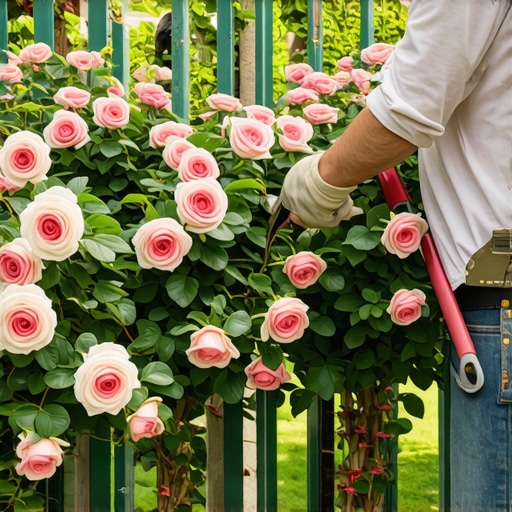
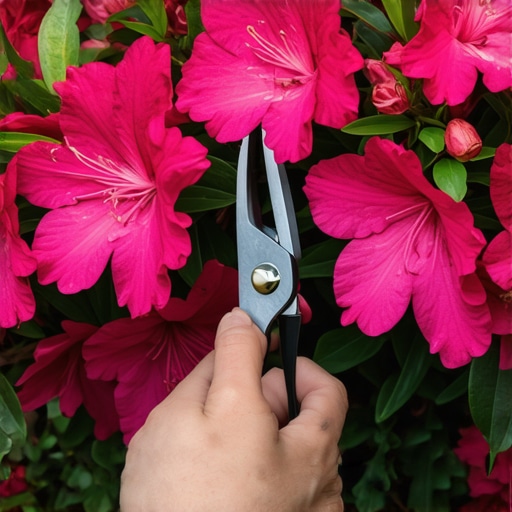
Most lawn care hacks will walk up to an azalea with gas-powered hedge shears and square it off like a boxwood. This is a horticultural crime. Heading cuts—which involve shearing the tips of branches—trigger a hormonal response in the plant that releases axillary buds. This creates a dense, twiggy outer shell that blocks sunlight and airflow from the interior of the shrub. This lack of ventilation creates a high-humidity micro-climate that is an invitation for Azalea Lace Bugs and leaf gall. Instead, use thinning cuts. Go deep into the canopy and remove entire branches at their point of origin. This allows light to reach the center of the plant, encouraging inner foliage and a more natural, healthy structure. [image_placeholder_1] Thinning also reduces the total biomass the root system needs to support during periods of drought stress.
| Azalea Type | Typical Bloom Window | Pruning Deadline |
|---|---|---|
| Indica Azaleas | Early Spring | Late May / Early June |
| Kurume Azaleas | Mid Spring | Mid June |
| Encore (Reblooming) | Spring, Summer, Fall | Immediately after first spring flush |
| Deciduous Azaleas | Late Spring | Late June |
Soil Chemistry and the Ericaceous Requirement
You cannot talk about azaleas without talking about soil pH and cation exchange capacity. These plants are acid-loving, meaning they require a pH between 4.5 and 6.0. In many regions, the soil is too alkaline, which locks up micronutrients like iron and manganese. When you see interveinal chlorosis—yellow leaves with green veins—the plant is starving for iron, even if the soil is full of it. It simply cannot absorb the iron because the alkalinity has made it chemically unavailable. Do not just throw 10-10-10 fertilizer at it. You need to apply elemental sulfur or ferrous sulfate to lower the pH. We use pine bark mulch exclusively for azaleas because as it decomposes, it helps maintain that acidic environment. Hardwood mulch can actually raise the pH over time as it breaks down, which is the opposite of what you want.
“Azaleas require an acidic soil environment, ideally between pH 4.5 and 6.0, to facilitate nutrient uptake of iron and manganese.” – Clemson University Cooperative Extension
How do I make my azaleas bloom more?
To increase bloom density, focus on root health and nutrient availability rather than aggressive pruning. Apply a slow-release acidic fertilizer in early spring and ensure the plant receives 1 inch of water per week through deep irrigation rather than frequent surface misting. Deep watering forces the fibrous root system to grow downward, making the plant more resilient to the heat of July and August when those flower buds are forming. If the plant is stressed by thirst in late summer, it will abort the bud-setting process to save itself, resulting in a poor show the next year. It is about resource management.
The Professional Azalea Maintenance Checklist
- Sterilize Tools: Clean your bypass pruners with 70% isopropyl alcohol between every shrub to prevent the spread of fungal spores.
- Check the Root Flare: Ensure the plant isn’t buried too deep. If you can’t see the root flare where the trunk meets the soil, you are suffocating the vascular system.
- Mulch Management: Maintain 2-3 inches of pine bark, but keep it 2 inches away from the main stem to prevent stem rot. No mulch volcanoes.
- Watering Protocol: Use drip irrigation or a soaker hose. Overhead watering on the foliage promotes Petal Blight.
- Post-Pruning Inspection: Look for azalea sawfly larvae which can defoliate a branch in 48 hours.
Engineering the Micro-Climate
In garden design, placement is everything. In the South, azaleas need filtered afternoon shade. In the North, they can handle more sun but need protection from desiccating winter winds. If you plant a shallow-rooted azalea near a large maple tree, the maple will win the competition for water every single time. You are engineering a living system. This means understanding how water moves across your property. If your hardscaping doesn’t include French drains or catch basins to move excess water away from your planting beds, you are essentially creating a swamp. We always check for utility markings via 811 Dig Safe before altering any grading or digging deep trenching for drainage solutions. Professionalism starts with safety and ends with a healthy ecosystem.