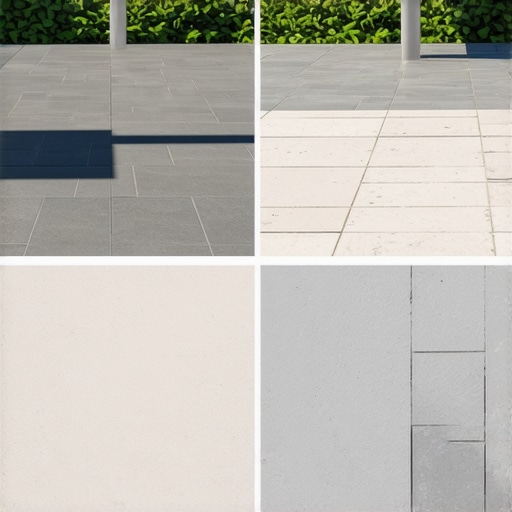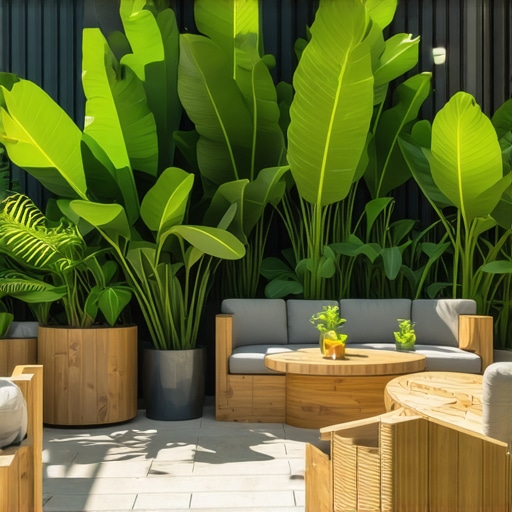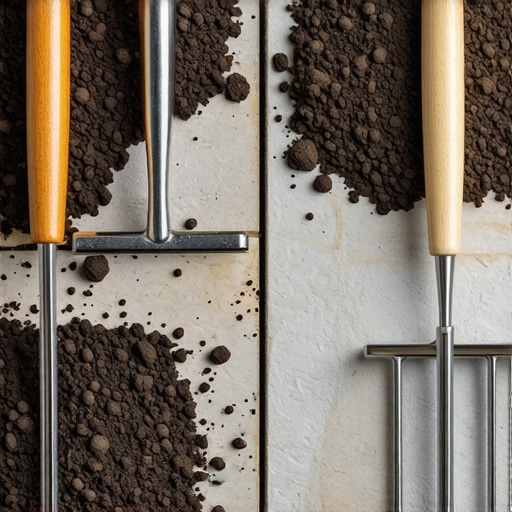
I vividly remember the first time I stepped onto my backyard patio it was supposed to be a perfect weekend retreat, but instead I felt that unsettling slope under my feet, like a sinking ship. Surprise — it had begun to settle, and I hadn’t even realized how serious it was until I noticed water pooling in certain spots and my furniture wobbling. That moment was my lightbulb moment: I needed to understand what was really happening beneath the surface and how I could fix this before it turned into a full-blown disaster projected for 2026.
If you’ve ever dealt with a patio that seems to be gradually sinking or warping, you’re not alone. Many homeowners run into here’s-what-happens-when-the-ground-settles issues, especially with clay-heavy soils or improperly prepared terrain. And let me tell you, ignoring this could be a costly mistake. Studies show that improper soil prep is among the leading causes of paver and patio failure, often resulting in uneven surfaces and costly repairs down the line. The good news? There are simple, effective soil preparation hacks that can prevent your patio from sinking, boosting its longevity and your peace of mind.
Today, I’ll share four soil prep tricks that transformed my outdoor space and can do the same for you. These tips aren’t magic — they’re insights from years of gardening, hardscaping, and a few costly lessons. Ready to stop the sinking? Keep reading.
Why Your Garden Might Be the Hidden Culprit of Patio Sinking
Is Soil Preparation Really That Important?
Many overlook the critical role soil quality plays in hardscaping success. An early mistake I made was assuming that compacted dirt was enough to support my pavers; big mistake. As I learned, improper soil compaction or neglecting drainage leads to shifting and sinking over time. I also discovered that not testing soil moisture levels could cause issues — wet soils expand, and dry soils contract, both working against your carefully laid pavers. Incorporating proper soil grading and drainage tips can make all the difference. For more ideas, check out [effective hardscaping strategies](https://lawnmajesty.com/effective-hardscaping-strategies-to-elevate-your-outdoor-space-in-2025) to get your landscape ready for the long haul.
If you want to avoid costly repairs later and ensure your outdoor space remains beautiful and stable, understanding these foundational soil hacks is essential. Next, I’ll walk you through four soil prep hacks that can prevent your patio from sinking and keep it level for years to come. Are you ready to tackle this issue head-on? Let’s get started.
Start with a Soil Test to Know Your Ground
Before laying any hardscape, assess your soil’s quality and drainage capacity. I remember during my project, I borrowed a simple soil testing kit and discovered my clay-heavy soil retained too much water, which could lead to future sinking. Testing soil moisture levels and composition helps determine what modifications are needed to create a stable foundation, preventing uneven settling over time. For comprehensive testing, consider professional soil analysis, but a basic home test often suffices for small-scale projects. This step ensures you’re not building on restless ground, much like how a foundation should be firm before constructing a house.
Dig Deep and Compact for a Solid Base
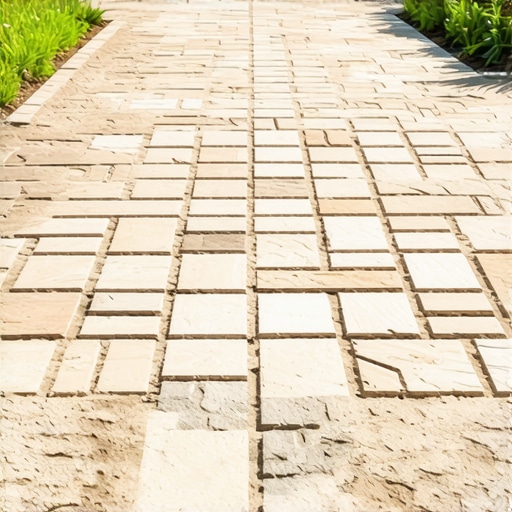
Once you’ve identified your soil type, dig down at least 6-8 inches to remove loose material and organic debris. I once neglected this step, which resulted in my patio developing wobbly sections after a heavy rain. After clearing the area, add a layer of gravel or crushed stone. Use a mechanical plate compactor or a hand tamper to firmly pack each layer. This compression creates a dense, even surface that resists shifting, much like pressing down on wet sand to make it hold shape. Proper compaction reduces the risk of future settlement and creates a stable bed for your pavers or slabs.
Install a Waterproof Drainage Layer to Keep Moisture Away
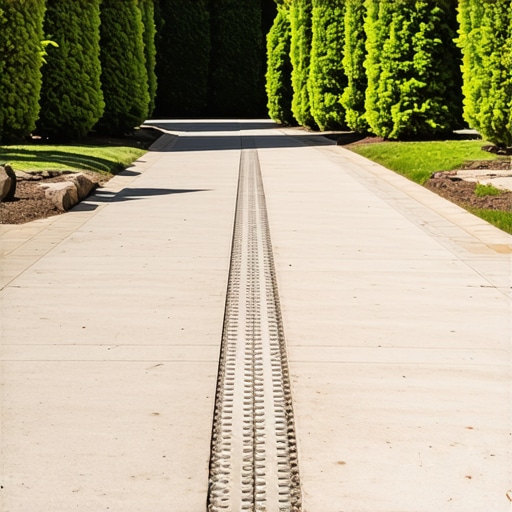
Effective drainage is vital to prevent water accumulation beneath your patio. After compacting the base, lay a permeable landscape fabric to separate the soil from the gravel, and add a layer of coarse gravel or crushed stone. I once added a simple layer of gravel and saw immediate improvements in runoff and soil stability. Ensure the gravel slopes away from the patio edge to direct water runoff, much like a roof’s drainage system. Proper drainage prevents water from pooling under the concrete or pavers, which can cause expansion, contraction, and eventual sinking.
Use Quality Soil Fill and Incorporate Soil Stabilizers
Top off the prepared base with a quality soil mix tailored to your climate and landscape needs. For clay-heavy soils, mixing in organic compost or sand improves drainage and reduces compaction issues. I experimented by mixing shredded organic matter into my soil, which enhanced permeability and plant health around my patio. Additionally, consider applying soil stabilizers or organic binders if your site has high clay content, preventing the soil from shifting or settling unevenly. Think of it as adding cement to a sandcastle—binding particles together for a sturdier structure.
Regular Maintenance and Monitoring
After construction, routinely check for signs of movement like cracks or unevenness. During heavy rains, observe how water flows across and away from your patio to ensure drainage remains effective. I once noticed puddles forming in certain spots and promptly adjusted the grading and added more drainage channels, which prevented sinking caused by water saturation. Consistent monitoring keeps small issues from escalating into major problems, much like regular checkups to ensure your foundation remains solid.
Many homeowners believe that simply laying down sod or planting a few flowers will transform their outdoor space. However, these assumptions often overlook the complex nuances that determine long-term success. For example, a widespread misconception is that choosing the most popular plants guarantees a thriving garden. In reality, understanding native plants and soil compatibility is crucial; some native species, like [tough native plants](https://lawnmajesty.com/5-tough-native-plants-for-2026-heat-waves), can withstand extreme conditions better than exotic species, ensuring durability and less maintenance.
Another common myth is that all landscaping techniques are universally applicable. What works beautifully in one climate might fail miserably in another. For instance, xeriscaping is often touted as a water-saving miracle, but without proper preparation, xeriscaped gardens may suffer from soil erosion or inadequate plant growth. I’ve seen projects where neglecting to incorporate proper soil amendments led to wasted effort and resources, emphasizing the importance of tailored solutions. More about effective hardscaping ideas can be found [here](https://lawnmajesty.com/effective-hardscaping-ideas-to-transform-outdoor-spaces-in-2025).
A subtle yet significant mistake many make is focusing solely on aesthetics without considering ecological benefits. Incorporating native plants not only simplifies maintenance but also supports local biodiversity. For example, integrating [native ground covers](https://lawnmajesty.com/ditch-the-mower-5-hardy-ground-covers-for-2026-lawns) can reduce lawn mowing needs and promote healthier soil.
Are you aware of how soil health impacts your landscaping success? Many overlook soil testing and assume that topsoil is sufficient, but detailed soil analysis can uncover nutrient deficiencies or pH imbalances that hinder plant growth. Implementing strategic amendments based on test results can dramatically improve plant resilience and reduce costly replacements.
Paying attention to hidden factors like soil drainage, microclimates, and plant selection can make all the difference. For instance, a poorly drained lawn may look lush initially but can develop persistent moss or fungal issues over time. Sustainable irrigation practices, such as passive watering systems, also often go ignored, leading to wastage and plant stress. A comprehensive approach that combines these nuances results in a garden that not only looks stunning but also remains healthy and manageable.
Have you ever fallen into this trap? Let me know in the comments. Remember, successful landscaping extends beyond surface aesthetics — it’s about understanding and leveraging these subtle yet powerful factors for lasting impact.
Keep It Working: Essential Tools for Landscape Longevity
Maintaining a beautiful and functional outdoor space requires more than just initial effort; it demands the right tools to ensure your landscape and hardscaping features stand the test of time. Personally, I rely on a combination of high-quality equipment and innovative methods to keep my garden and paving in top shape. One indispensable tool I swear by is the compact plate compactor. It allows me to re-compact base layers after soil shifts or during major refreshes, preventing uneven settling that can lead to sinking pavers. Investing in a durable model proves cost-effective over time, minimizing the need for future repairs and preserving your hardscaping investments.
Another game-changer is a cordless, battery-powered blower. It keeps debris off your lawns and hardscape surfaces efficiently, reducing the risk of moss and weed growth that often complicate maintenance routines. I prefer models with variable speed settings, giving me control over delicate cleanup near plants or hard surfaces. Additionally, a versatile soil moisture meter is crucial; it helps me monitor watering needs precisely, avoiding over-saturation that can deteriorate soil integrity or under-watering that stresses plants. Consistent soil moisture management is vital for the long-term health of both your flora and stability of your landscape structures.
Software and Smart Systems for Modern Garden Management
Emerging technologies are revolutionizing landscape maintenance. I’ve integrated smart irrigation controllers that adjust watering schedules based on weather data, dramatically reducing water waste and keeping soil conditions optimal. These systems can be linked to weather forecast apps, serving as a reliable first line of defense against over or under-watering — a common culprit in landscape degradation. An example is the Rachio Smart Sprinkler Controller, which has saved me hundreds of gallons of water annually while maintaining lush lawns and garden beds.
For ongoing landscape design and organization, I utilize garden planning software such as SketchUp with landscaping plugins. This allows me to visualize seasonal changes, plan maintenance tasks efficiently, and identify potential problem areas before they manifest physically in the yard. As the trend points towards more integrated digital solutions, adopting these tools now can significantly streamline your maintenance routine and extend the lifespan of your hardscaping and planting efforts.
Preparing for Future Trends in Landscaping Efficiency
Looking ahead, I believe automation and AI-driven solutions will become standard in sustainable landscape care. Robotic lawn mowers are already prevalent, but I predict a surge in AI-enabled systems capable of diagnosing soil issues, pest infestations, or plant disease early on, much like a professional gardener’s eye. Incorporating sensor networks that track soil health and moisture levels in real-time will empower homeowners to act proactively, rather than reactively, ensuring their landscapes stay vibrant without excessive manual effort.
How do I keep my landscape functioning well over time?
The key lies in combining precise, high-quality tools with smart systems that adapt to changing conditions. Regularly inspecting equipment, updating software, and implementing a proactive maintenance schedule are vital. For example, performing seasonal soil tests, such as those recommended by [soil testing standards](https://lawnmajesty.com/6-soil-tests-every-homeowner-needs-for-a-greener-2026-lawn), helps detect underlying issues before they escalate. I encourage you to select one advanced maintenance tool or system from this approach—perhaps a soil moisture sensor or smart sprinkler— and integrate it into your routine today. Small investments in these technologies can drastically reduce long-term costs, protect your landscape’s beauty, and ensure your outdoor space continues to thrive for years to come.
Learning from My Sinking Secrets
One of the most valuable lessons I learned was that neglecting soil preparation is like building a house on shifting sands — it’s destined to wobble. I once assumed compacted dirt was enough, only to see my patio sink unevenly after heavy rains, teaching me the importance of thorough soil testing and base layering. Another insight was that even the smallest overlooked drainage issues can become major sinking problems over time; simple things like slope adjustments or adding gravel layers can save thousands. Lastly, I discovered that patience and regular maintenance, such as seasonal soil checks and moisture monitoring, are the unsung heroes of a resilient outdoor space. These revelations transformed my approach, turning a sinking nightmare into a stable haven.
Tools and Resources I Trust for a Lasting Landscape
My go-to equipment includes a durable plate compactor that ensures each base layer is densely packed, preventing future settlement issues. For soil analysis, I favor professional testing kits from reputable brands because they provide detailed insights, guiding precise amendments. Incorporating smart irrigation controllers like the Rachio has been a game changer, helping me maintain optimal soil moisture without overwatering — a tip that’s crucial for soil stability and plant health. Additionally, I rely on landscape planning software such as SketchUp to visualize changes and spot potential problem areas early. These tools, backed by trustworthy resources, have empowered me to craft a landscape that’s both beautiful and enduring.
Seize the Day and Shape Your Outdoor Future
Harnessing the right soil prep techniques and smart tools isn’t just about fixing problems — it’s about creating a resilient outdoor space that stands tall against time and nature. Every layer of soil, every drainage tweak, and every monitoring check is a step toward long-term success. So, why not take that first step today? Your garden and hardscape deserve to thrive, and with a little knowledge and investment, you can turn your yard into the outdoor sanctuary you envision. Remember, the real reward lies in the joy of watching your efforts flourish into a stunning, stable landscape that lasts for generations.
![Why Your Paver Patio Is Sinking: 4 Permanent Fixes [2026]](https://lawnmajesty.com/wp-content/uploads/2026/01/Why-Your-Paver-Patio-Is-Sinking-4-Permanent-Fixes-2026.jpeg)