Imagine spending hours designing your garden, only to end up with a space that feels flat and uninspired. I’ve been there—struggling to make sense of all the conflicting advice out there, feeling overwhelmed by the endless options, and wondering if I was missing something crucial. The lightbulb moment came when I realized that successful garden transformations aren’t about following trendy ideas blindly but about understanding timeless principles and how to tailor them to my space.
Today, I want to share with you the secrets behind creating breathtaking outdoor areas that stand out in 2025. Whether you’re revamping your current garden or starting from scratch, these expert tips will help you avoid common pitfalls and turn your outdoor space into a personal haven.
Why Your Garden Deserves a Thoughtful Makeover
Creating a stunning garden isn’t just about aesthetics—it’s about crafting a space that reflects your personality, meets your needs, and withstands the test of time. A well-designed garden increases property value, encourages outdoor living, and boosts your well-being. Yet, many homeowners make the mistake early on of jumping into landscaping without a clear plan—something I did myself.
Back when I first tried to overhaul my yard, I overlooked the importance of proper planning, which led to wasted time and money. It’s easy to get caught up in the excitement of new plants or a fancy patio, but without a cohesive vision, the result can feel disjointed.
In 2025, landscaping trends emphasize innovative techniques and sustainable practices. For example, integrating modern hardscaping ideas can drastically elevate your garden’s visual appeal and functionality. If you want to avoid common mistakes and design a garden that truly impresses, understanding these core principles is essential.
Did you know that integrating intelligent landscaping elements can reduce water use by up to 50%? According to research from the *American Water Works Association*, smart landscaping choices contribute significantly to environmental conservation and cost savings.
In the following sections, I’ll guide you through proven strategies to achieve a modern, stylish garden that is both beautiful and practical. Ready to transform your outdoor space into a remarkable garden oasis? Let’s dive into the details.
Start with a Precise Plan
Before lifting a shovel or laying stones, define your garden’s purpose and style. Visualize how you want to use the space—whether for entertaining, relaxation, or gardening. Sketch a rough layout and note existing features to integrate. Remember, a clear map saves time and prevents costly mistakes. For inspiration, visit modern landscaping ideas to see current trends.
Lay the Foundation with Hardscaping
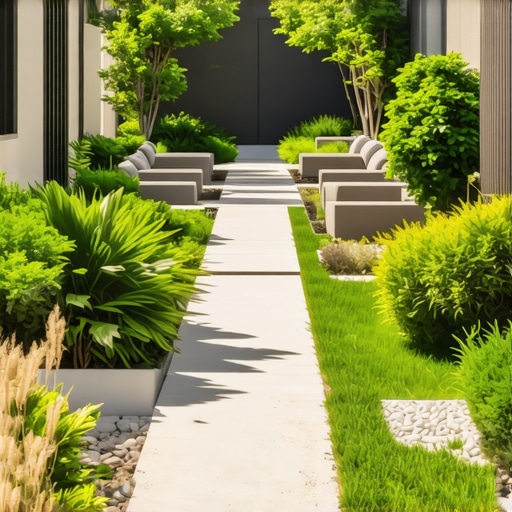
Hardscaping forms the backbone of a modern garden. Use durable materials like national stone or permeable pavers, which blend aesthetics with environmental benefits. Picture the process of creating a patio: excavate the area slightly below ground level, compact the base layer, then lay the pavers in a pattern that complements your landscape. I once had a messy start—an uneven base caused my bricks to shift—until I learned proper excavation and compacting techniques from hardscaping innovations. It’s the key to lasting beauty.
Integrate Water Features Thoughtfully
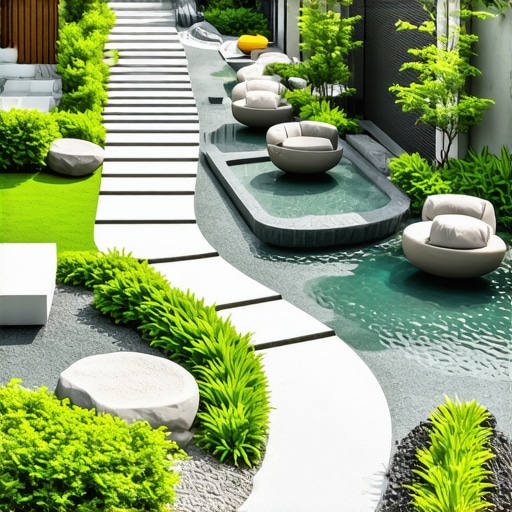
Adding a fountain or pond brings tranquility and movement to your garden. Choose a style that matches your theme—sleek modern, naturalistic, or minimalist. When installing, ensure proper drainage and electrical safety. During my project, I placed a small, recirculating fountain centrally, which became the garden’s focal point—making the entire space more inviting. Use innovative techniques to blend water features seamlessly into your landscape.
Plant with Purpose and Precision
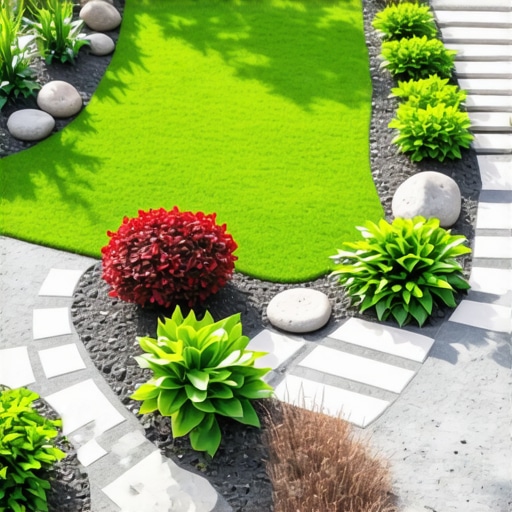
Select plants suited to your climate, soil, and sun exposure. Opt for a mix of evergreen and seasonal varieties for year-round appeal. Group plants with similar watering needs to simplify maintenance; think of it as creating mini ecosystems. I once overwatered a flower bed, leading to root rot. Switching to drought-tolerant succulents and native grasses, as suggested in modern garden design tips, transformed my approach. Proper spacing and layering add depth, making the garden appear lush and intentional.
Maintain and Evolve Your Design
Regular upkeep keeps your garden vibrant. Mow lawns at the right height, prune overgrown branches, and adjust plants seasonally. Monitor your hardscape for wear and repair as needed. Remember, gardens evolve—so stay flexible with your design, adding new features or plants as trends shift. For comprehensive lawn and garden care, explore lawn care tips tailored for modern outdoor spaces.
While many envision a beautiful garden as simply adding lush plants and stylish hardscape features, the reality is far more nuanced. One prevalent myth is that hardscaping is purely aesthetic and requires minimal maintenance. However, advanced hardscaping techniques demand careful planning, proper material selection, and ongoing upkeep to ensure longevity and sustainability. For instance, some assume that permeable pavers are low-cost options without considering the importance of correct installation and grading to prevent drainage issues. Missteps here can lead to costly repairs and a compromised landscape. Similarly, many believe that native plants alone suffice for a low-maintenance garden, ignoring the significance of strategic design layout to optimize water use and plant health.
Why Do Many Garden Enthusiasts Underestimate the Importance of Traffic Flow and Functionality?
Understanding garden flow and usability is often overlooked in favor of visual appeal. The mistake is focusing solely on creating a ‘wow’ factor without considering how people will move through or interact with the space. Proper pathways, seating areas, and zone separation are critical for a functional garden that supports your lifestyle. Neglecting these elements can make even the most visually stunning garden feel impractical or cumbersome, leading to dissatisfaction and additional redesign costs. Expert insights reveal that functional zoning enhances usability and can increase property value—an aspect often missed by DIY enthusiasts. Studies from landscape architecture professionals emphasize that integrating thoughtful traffic patterns and accessibility features results in healthier, more inviting outdoor spaces. Don’t let the desire for visual impact overshadow the necessity of a balanced, practical design that complements your routines.Maintaining a beautiful and sustainable garden requires the right tools and consistent care. Over the years, I’ve discovered that investing in high-quality equipment can significantly streamline my workflow and enhance the long-term health of my landscape. One essential tool I swear by is a cordless electric leaf blower, which offers powerful airflow without the noise and fumes of traditional gas models. Not only does this facilitate quick cleanup, but it also minimizes environmental impact, aligning with sustainable landscaping principles discussed in 2025 landscaping trend insights. Be sure to select models with adjustable speed settings to handle different debris types efficiently.
For soil and plant health, I recommend using a moisture meter. This simple device prevents over- or under-watering by providing real-time soil moisture readings, which is crucial for native and drought-tolerant plants. Incorporating this tool has improved plant survival rates and reduced unnecessary water usage, supporting eco-friendly garden practices. Regular pruning tools, like bypass pruners with sharp, corrosion-resistant blades, are equally vital. They ensure clean cuts that promote faster healing and prevent disease spread.
An often-overlooked aspect is record-keeping. Using garden management software—like dedicated apps or digital spreadsheets—helps track planting schedules, fertilization dates, and maintenance routines. This organized approach simplifies seasonal planning and provides insight into your garden’s performance, guiding future enhancements.
Where do I see garden maintenance heading in the future? Advances in smart technology suggest we’ll increasingly rely on IoT-connected sensors and automated watering systems. These systems, integrated with weather data and soil conditions, will enable truly hands-off yet highly responsive garden care—reducing waste and labor while maximizing plant health.
How do I maintain my tools over time? Regular cleaning, sharpening, and proper storage are key. For example, cleaning the blades of pruning shears after each use prevents rust and keeps cuts clean, which is crucial for plant health. Sharpening blades annually with a simple whetstone restores their cutting efficiency. Additionally, lubricating moving parts prevents wear, extending tool lifespan. For electronics like garden sensors or irrigation controllers, following manufacturer maintenance schedules ensures optimal performance.
Investing in durable, quality equipment and establishing a routine maintenance plan pays dividends. Not only does it preserve your tools, but it also ensures your garden remains vibrant and healthy long-term. As garden technology continues to evolve, staying updated with the latest innovations—such as efficient irrigation controllers—can take your landscape to new heights. For more insights on modern lawn care and garden management, explore modern lawn care tips. Now is the perfect time to try out that moisture meter or upgrade your pruning arsenal. Your garden will thank you for it.Creating a beautiful outdoor space teaches us many lessons, but one of the most impactful is the importance of balancing aesthetics with functionality. I once believed that stunning hardscaping alone would make my garden irresistible, but I soon realized that seamless traffic flow and purpose-driven design are just as crucial for lasting beauty. Incorporating thoughtful pathways and thoughtfully placed features transformed my garden from a collection of pretty elements into a practical retreat that invites relaxation and enjoyment. Moreover, I’ve discovered that embracing sustainable practices, like selecting native plants and efficient irrigation, not only benefits the environment but also simplifies maintenance over time. Lastly, I learned that continuous learning—staying updated with trends like those in 2025 hardscaping innovations—ensures that your garden remains both modern and resilient, standing the test of time.