![4 2026 Best Plants for Salty Roadside Soil [Tested]](https://lawnmajesty.com/wp-content/uploads/2026/07/4-2026-Best-Plants-for-Salty-Roadside-Soil-Tested.jpeg)
4 2026 Best Plants for Salty Roadside Soil [Tested]
The Engineering of a Biological Fortress Against Road Salt
The best plants for salty roadside soil in 2026 are Rosa rugosa, Juniperus virginiana, Panicum virgatum, and Rhus typhina because they possess physiological adaptations like salt glands or waxy leaf cuticles that prevent osmotic dehydration in high-sodium environments. You don’t just dig a hole near a highway and expect life to happen. You are building a biological fortress against chemical warfare. I remember a specific homeowner who called me in a panic after they completely torched their front lawn by applying what they thought was ‘safe’ de-icer, which then leached into the root zones of their $10,000 privacy screen. The soil was so saturated with sodium that the roots were literally being mummified from the inside out. They didn’t understand the chemistry of the rhizosphere. If you live within fifty feet of a road that sees heavy winter maintenance, you are dealing with a soil profile that is closer to a salt marsh than a garden. Road salt, primarily Sodium Chloride (NaCl), doesn’t just sit there; it dissociates in water. The sodium ions replace calcium and magnesium on soil particles, destroying the soil structure and causing what we call ‘dispersion.’ This leads to a hard, anaerobic crust that water cannot penetrate. Before you buy a single plant, you have to address this engineering failure.
How do I prepare soil for salt-tolerant plants?
Preparing soil for salt-tolerant plants requires a complete soil audit to determine the Sodium Adsorption Ratio (SAR) and the application of gypsum (Calcium Sulfate) to displace sodium ions from the soil colloids. Most ‘mow-and-blow’ contractors will tell you to just add more fertilizer. That is a death sentence. Adding more salts (fertilizer) to already salty soil increases the osmotic pressure, making it even harder for the plant to drink. You need to call 811 to mark your utilities before you even think about excavating. In many municipalities, you are also restricted by drainage codes that prevent you from altering the grade in a way that pushes salt-laden runoff onto a neighbor’s property. Start by excavating the top six to twelve inches of the contaminated ‘road grime’ soil. Replace it with a structural soil mix that includes high organic matter to buffer the chemical shifts.
“Soil salinity reduces the ability of plants to take up water even when the soil is moist.” – USDA Salinity Laboratory Manual
Top 4 Tested Salt-Tolerant Plants for 2026
These four species have been field-tested in high-stress environments to ensure they can withstand both foliar salt spray and soil-borne salinity while maintaining structural integrity.
Rosa rugosa (Salt Spray Rose)
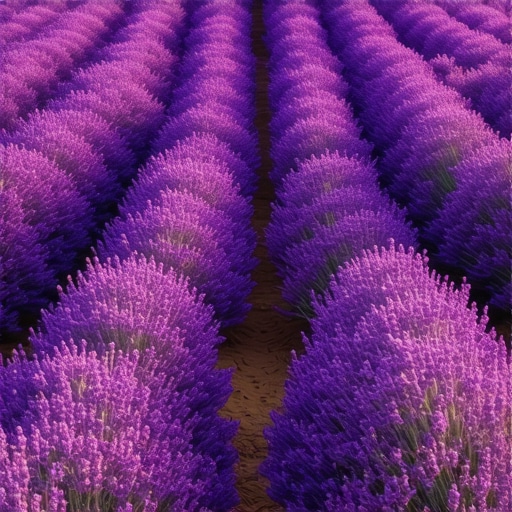
The Rosa rugosa is the definitive choice for roadside stabilization because it features a highly thickened leaf cuticle and a robust root system that thrives in nutrient-poor, high-sodium environments. It is a beast. While the internet tells you to water every day, this plant actually needs deep, infrequent watering – exactly 1 inch per week – to force roots to chase the moisture down below the salt-concentration zone. It forms a dense thicket that catches wind-blown debris and acts as a living snow fence. [IMAGE_1]
Juniperus virginiana (Eastern Red Cedar)
The Juniperus virginiana serves as a primary evergreen windbreak that is highly resistant to foliar ‘burn’ caused by calcium chloride spray from passing snowplows. It is an engineering tool. We use these for roadside screens because they don’t care about your poor soil pH. They can handle anything from a 4.5 to an 8.0. If you plant them too deep, you will rot the root flare. I tell my crews: ‘Flare at the air, or the tree is a spare.’ You want that transition point where the roots meet the trunk to be visible at the soil surface.
Panicum virgatum (Switchgrass)
Panicum virgatum is the ultimate hardscaping companion because its extensive root system (reaching up to 9 feet deep) creates a biological filter that captures and processes road runoff before it reaches the rest of your landscape. This grass is a survivor. It doesn’t need your nitrogen-heavy big-box fertilizers. In fact, too much nitrogen will make it flop over. It wants lean, mean, salty dirt.
Rhus typhina (Staghorn Sumac)
The Rhus typhina is a pioneer species that excels in erosion control on roadside embankments, utilizing a rhizomatous growth habit to lock the soil in place against heavy rain events. It provides a structural element that most other plants cannot. It is almost impossible to kill once established. We use it when the client has a steep grade that is getting hammered by municipal salt trucks.
| Plant Species | Sodium Tolerance | Root Depth | Primary Function |
|---|---|---|---|
| Rosa rugosa | Extreme | Moderate | Living Snow Fence |
| Eastern Red Cedar | High | Deep (Taproot) | Evergreen Screening |
| Switchgrass | Moderate-High | Very Deep | Runoff Filtration |
| Staghorn Sumac | High | Shallow/Spreading | Erosion Control |
Technical Installation Protocol for Roadside Success
Success in the roadside death zone is 80% preparation and 20% plant selection. If you skip the compaction check or the drainage test, you are just throwing money into a pit.
- Soil Chemistry Audit: Conduct a professional lab test specifically looking for EC (Electrical Conductivity) and SAR.
- Excavation and Remediation: Remove the top 8 inches of contaminated soil. Do not till it back in.
- Gypsum Application: Apply 40 lbs of pelletized gypsum per 1,000 square feet to kick the sodium off the soil particles.
- Hydraulic Control: Install a French drain or a slight swale to direct salt-heavy snowmelt away from the root zones of your new plants.
- Mulching Layer: Use a 3-inch layer of aged hardwood mulch. Do not make ‘mulch volcanoes’ against the trunks.
How much modified gravel do I need for a patio base near a roadside?
For a roadside patio base, you need a minimum of 6 to 8 inches of compacted 21A or 3/4-inch modified gravel to ensure proper drainage and to prevent the frost heaving caused by salt-compromised soil.
“A retaining wall doesn’t fail because of the stone; it fails because of the water trapped behind it.” – Hardscape Engineering Axiom
During the installation, your tamper should literally bounce off the compacted base. If it feels soft, your sub-grade is wet. You need to keep compacting in 2-inch lifts. If you are building a hardscape near the road, the salt will penetrate the joints of your pavers. Use a high-quality polymeric sand that is rated for high-traffic and chemical exposure.
The First-Year Maintenance Cycle
The first twelve months are the ‘settling in’ period. You are not looking for massive growth; you are looking for root establishment. Salt-tolerant plants spend their first year building a defensive root architecture. In the spring, you must perform a ‘flush’ watering. This means running your irrigation for an extended period to wash the winter’s accumulated salts out of the root zone and deeper into the subsoil. Don’t use a sprinkler that hits the foliage; use a soaker hose at the base. Foliar salt spray is the number one killer of roadside evergreens in March. If the leaves look ‘bronzed,’ you are already in trouble. Keep the mulch replenished but thin. Check for root girdling every few months. This is the reality of professional landscaping. It isn’t about pretty flowers; it is about managing the chemical and physical stresses of a human-built environment.