5 2026 Best Perennials for Modern High-End Suburban Yards
5 2026 Best Perennials for Modern High-End Suburban Yards
Successful landscaping in high-end suburban yards requires proper soil grading, mechanical aeration, and strategic drainage management before any perennials are installed. Selecting the right species for 2026 involves balancing hardiness, architectural structure, and low-input sustainability to ensure long-term ROI for the property owner.
I always drill into my new crew members: if you don’t fix the soil grading first, every plant you put in the ground is just expensive compost. Most contractors slap a plant into a hole twice the size of the root ball and walk away. That is a recipe for root rot and failure. You have to understand the hydrostatic pressure of the site and how water moves through the soil profile. If you do not address the compaction from the construction phase of the house, those roots will never penetrate the clay. They will circle the hole until the plant chokes itself out. I have seen $50,000 installations die in three years because the foreman didn’t care about soil structure or Cation Exchange Capacity. We do things differently here. We build from the biology up.
The Engineering of a High-End Garden Base
Modern garden design is not about aesthetics alone; it is about civil engineering on a residential scale. Hardscaping and planting must work in tandem. When we install a patio, we are looking at a 6 inch modified gravel base compacted to 95 percent proctor density. But that compaction is the enemy of the garden bed right next to it. We use localized soil remediation to break that compaction. We look for a soil pH between 6.0 and 7.0 for most suburban perennials. If your soil is sitting at a 5.2 because of decades of pine needle drop or poor fertilization habits, your expensive 2026 cultivars will fail to uptake nutrients. It does not matter how much fertilizer you throw at it. The chemistry has to be right first.
“A retaining wall doesn’t fail because of the stone; it fails because of the water trapped behind it.” – Hardscape Engineering Axiom
Top 5 Perennials for 2026 High-End Landscapes
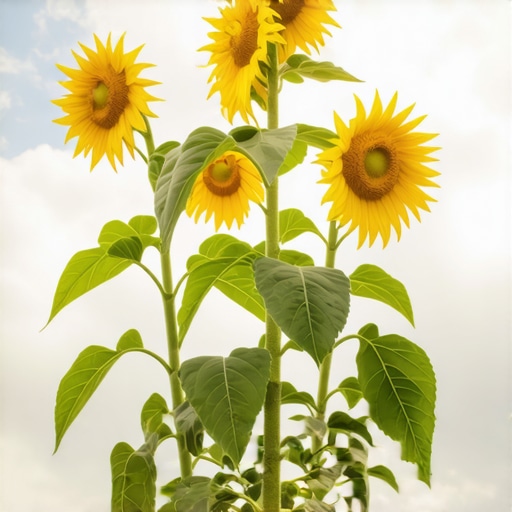
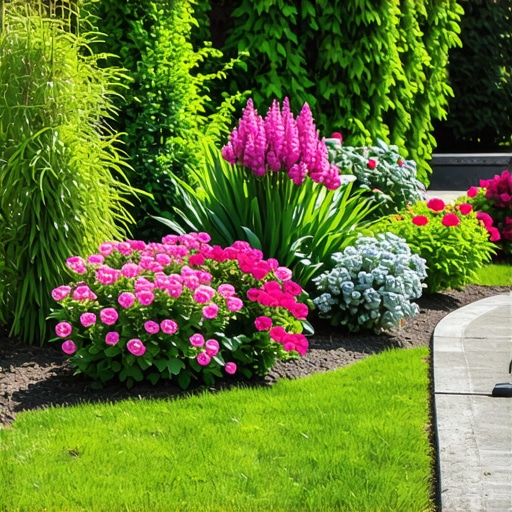
The 2026 trend for high-end yards moves away from high-maintenance annuals toward structural perennials that offer multi-seasonal interest. We are looking for plants that handle the erratic weather patterns we are seeing. Amsonia hubrichtii (Threadleaf Bluestar) is a staple. It offers feathery texture in spring and a gold architectural form in autumn. It is iron-clad once established. Next, Baptisia australis (False Indigo). Its deep taproot makes it drought-resistant, which is critical for lawn care systems that are moving away from daily irrigation. Third, we utilize Panicum virgatum ‘Northwind’ for verticality. This is a structural grass that does not flop. Fourth, Geranium ‘Rozanne’ continues to dominate for groundcover because of its 180-day bloom cycle. Finally, Echinacea ‘Cheyenne Spirit’ provides the color punch homeowners crave without the frailty of older hybrids.
How much modified gravel do I need for a patio base?
Calculating base material for hardscaping requires measuring the square footage, multiplying by the depth in feet, and then multiplying by 1.35 to account for compaction. For a standard 100 square foot patio with a 6 inch base, you need approximately 2.5 to 3 tons of 2A modified stone. Do not skip the plate compactor. Hand tamping is a myth for professionals. If the base moves, the pavers move. It is that simple.
| Plant Name | Hardiness Zone | Soil Preference | Primary Benefit |
|---|---|---|---|
| Amsonia hubrichtii | 4-9 | Well-drained Loam | Fall Color/Texture |
| Baptisia australis | 3-9 | Deep Sandy/Clay | Drought Tolerance |
| Panicum ‘Northwind’ | 4-9 | Any/Well-drained | Architectural Height |
| Geranium ‘Rozanne’ | 5-8 | Moist Loam | Long Bloom Season |
| Echinacea Hybrids | 4-9 | Well-drained | Pollinator Support |
The Interdependence of Lawn Care and Garden Design
You cannot separate the lawn from the beds. If your lawn care company is spraying high-nitrogen liquid fertilizer and it drifts into your perennial beds, you are going to get massive leaf growth and zero flowers. Or worse, you will invite aphids. We advocate for slow-release granular organic-based fertilizers. We want to feed the soil microbes, not just the plant. We check the thatch layer on the turf. If it is over half an inch, we core aerate. This allows oxygen to reach the root zone of the grass and the adjacent perennials. We also mandate a 3 inch mulch layer, but never against the root flare of a tree or the crown of a perennial. Mulch volcanoes are a death sentence. They trap moisture against the bark and invite fungal pathogens.
“Soil health is the foundation of all terrestrial life; without a functional microbiome, the landscape is merely on life support.” – USDA Agronomy Manual
What is the best fertilizer for new perennials?
For new installs, avoid high nitrogen. You want a phosphorus-heavy starter fertilizer or a balanced 5-10-5 organic blend to encourage root development over foliage. Mycorrhizal inoculants are also highly recommended to establish a symbiotic relationship between the roots and the soil fungi. This increases the surface area for water absorption by up to 100 times. Water deep and infrequent. Force those roots to go down. Surface watering creates weak plants.
[IMAGE_PLACEHOLDER]
- Verify 811 Dig Safe markings before excavation.
- Test soil pH and NPK levels at a certified lab.
- Install 14-gauge professional edging to prevent turf encroachment.
- Check drainage pitch; ensure 2 percent minimum slope away from foundations.
- Inspect nursery stock for girdling roots before planting.
Year One: The Settling Period
The first year is about survival, not growth. I tell my clients: the first year they sleep, the second year they creep, the third year they leap. Do not panic if your 2026 perennials look small this season. They are building the engine underground. Check your drip irrigation emitters. Ensure they are placing water at the drip line of the plant, not the stem. If you see standing water, your hardscaping drainage is failing or your soil is too compacted. Fix it now. Do not wait for the plants to drown. A high-end yard is a living investment. Treat it with the same precision you would the foundation of your home. It will last decades if you do. If you cut corners, I will be the one you call in three years to tear it all out and start over. Build it right the first time.