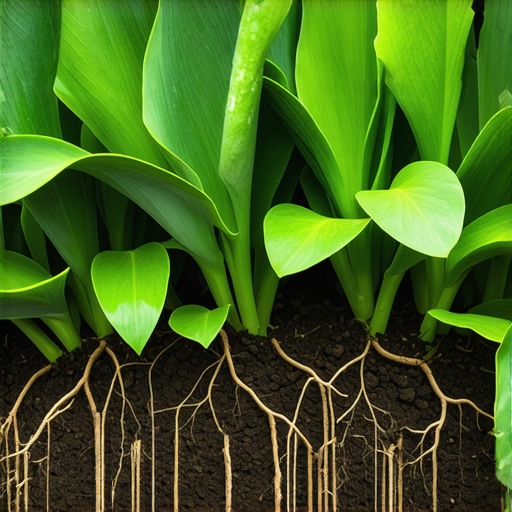
5 2026 Best Plants for Shaded Sandy Soil Side Yards
Why Shaded Sandy Soil Kills Traditional Landscaping
To successfully grow plants in shaded sandy soil, you must manage low Cation Exchange Capacity (CEC) and rapid moisture loss while selecting species with low light compensation points. This environment is a technical challenge because sand cannot hold onto nutrients like nitrogen or potassium, and shade prevents the evaporation of standing water if the grading is off. You need plants that tolerate both drought and temporary dampness.
I always drill into my new crew members: if you don’t fix the soil grading first, every plant you put in the ground is just expensive compost. I remember a job in 2023 where a homeowner had spent four thousand dollars on premium nursery stock, only to watch it rot. They had a side yard with a 2 percent slope toward the foundation and sandy soil that they thought would drain everything. It did not. The water hit the foundation, sat in the top three inches of sand, and turned the root zones into an anaerobic graveyard. We had to rip everything out, regrade to a 4 percent pitch, and amend the sand with specific organic matter to create a functional soil structure. If you skip the physics of the yard, the biology will fail every single time.
“Sandy soils are often nutrient-poor because they lack the surface area to hold onto essential cations like calcium and magnesium, which leach away during heavy rain.” – University of Florida IFAS Extension
How much modified gravel do I need for a patio base?
While the focus here is planting, if your side yard includes a walkway, you need a minimum of 4 to 6 inches of compacted 21A or 57 stone to ensure stability in sandy conditions. Do not rely on the sand itself for structural support. Sand shifts under hydrostatic pressure. Use a plate compactor until you hit at least 95 percent Proctor density.
The Science of Shaded Sand: Cation Exchange and Drainage
Success in sandy, shaded environments requires increasing the soil organic matter to at least 5 percent to improve nutrient retention and water-holding capacity without sacrificing drainage. In these micro-climates, the lack of UV light means the soil surface stays cooler, which can lead to fungal pathogens if air circulation is poor. You are managing a delicate balance of moisture and aeration.
| Plant Species | Root Type | Spread (Inches) | USDA Zone | 2026 Trend Factor |
|---|---|---|---|---|
| Carex pensylvanica | Rhizomatous | 12-18 | 4-8 | High-Density Groundcover |
| Helleborus orientalis | Fibrous | 18-24 | 4-9 | Early Season Pollinator |
| Heuchera villosa | Mounded | 12-20 | 4-9 | Native Resiliency |
| Polystichum acrostichoides | Clumping | 18-24 | 3-9 | Year-round Structure |
| Hydrangea quercifolia | Woody | 36-48 | 5-9 | Architectural Foliage |
Sandy soil is basically a collection of weathered rock particles between 0.05mm and 2.0mm. Because the particles are large, the pore spaces are massive. Gravity pulls water through these pores faster than the plant can drink. In a shaded side yard, the plant’s metabolism is already slowed down by the lack of sun. If you dump heavy fertilizers here, the nitrogen just washes into the groundwater. You must use slow-release, sulfur-coated urea or organic compost teas to keep the NPK levels stable.
1. Carex pensylvanica (Pennsylvania Sedge)
Carex pensylvanica serves as a living mulch in shaded sandy side yards, providing a soft, grass-like texture that thrives in low-light and well-drained conditions. This sedge is not a true grass, which makes it superior for shade. It reaches about 8 inches in height and spreads slowly via rhizomes to lock the sandy soil in place, preventing erosion during heavy downpours.
Check the root flare when planting. If you bury a sedge too deep, the crown will rot in the humid micro-climate of a side yard. We space these at 12 inches on center for full coverage within two seasons. Do not use high-nitrogen lawn fertilizer on these. They prefer a lean soil. It is a workhorse for 2026 designs because it replaces the need for high-maintenance turf in narrow corridors.
2. Helleborus orientalis (Lenten Rose)
Helleborus orientalis is a drought-tolerant evergreen perennial that provides critical structural interest in shaded sandy zones where other flowering plants typically struggle with nutrient deficiencies. These plants have thick, leathery cuticles on their leaves, which drastically reduces transpiration rates. This is why they can survive in sand that goes dry for weeks.
When we install Hellebores, we dig a hole twice the width of the root ball and backfill with a 70/30 mix of native sand and leaf mold. This provides the initial CEC boost needed for establishment. They are virtually indestructible once the root system hits the 12-inch depth mark. Avoid big-box store hybrids; stick to the species or the ‘Ivory Prince’ cultivars for maximum grit.
3. Heuchera villosa ‘Autumn Bride’
Heuchera villosa ‘Autumn Bride’ is the go-to cultivar for 2026 due to its extreme tolerance for the high humidity and sandy substrates found in coastal or woodland side yards. Unlike the purple-leaved varieties that often melt in the heat, the ‘villosa’ bloodline has hairy leaves that help the plant regulate temperature and moisture. It stays green and functional when the mercury hits 95 degrees.
“Shade-grown perennials often exhibit larger leaf surface areas to maximize light interception, but this also increases the potential for moisture loss if the soil substrate is too porous.” – Agronomy Manual Vol. 12
How do you improve sandy soil in a shaded area?
You must incorporate composted pine bark or well-rotted leaf mulch into the top 6 inches of the soil profile. Do not use heavy clay amendments, as this creates a “potting effect” where water cannot escape the planting hole. Aim for a mix that remains 60 percent native sand to ensure drainage remains consistent with the surrounding topography.
4. Polystichum acrostichoides (Christmas Fern)
Polystichum acrostichoides is an essential evergreen fern that stabilizes sandy slopes in shaded corridors, offering year-round green biomass and deep soil anchoring. Most ferns need a swamp, but the Christmas Fern is an outlier. It handles the dry shade of a side yard better than almost any other pteridophyte. It won’t spread aggressively, but it will get tougher every year.
We use these to define the edges of walkways. Their clumping habit means they won’t trip up guests, and their deep green color provides a high-contrast backdrop for lighter foliage. When planting, ensure the crown is slightly above the soil line. If sand washes over the crown, the fern will suffocate. This is a common failure point for DIY installs.
5. Hydrangea quercifolia ‘Pee Wee’
Hydrangea quercifolia ‘Pee Wee’ is a dwarf oakleaf hydrangea that thrives in the rapid drainage of sandy soil, offering architectural bark and massive leaf textures for narrow side yards. While the big-leaf hydrangeas (Macrophylla) wilt the moment the sun hits them, the Oakleaf variety is built for the rugged reality of the American landscape. It needs the drainage that sand provides; it hates “wet feet.”
In 2026, we are seeing a move toward smaller, manageable shrubs for side yards. The ‘Pee Wee’ cultivar stays under 4 feet, meaning you won’t be pruning it every two weeks to keep the walkway clear. Its roots are aggressive and will seek out moisture deep in the sandy subsoil. It is the perfect anchor for a shaded design.
What soil amendments work best for sandy side yards?
Focus on high-carbon materials like biochar and composted wood chips. Biochar is a game-changer for sandy soil because it acts like a microscopic sponge, holding onto water and nutrients for years without breaking down. Apply it at a rate of 5 percent by volume to the planting zone. It will significantly reduce your irrigation requirements.
The Installation Protocol: Step-by-Step for Success
Proper installation in shaded sandy soil requires a systematic approach to soil chemistry and mechanical stability to ensure long-term plant health. Follow this checklist to avoid the “expensive compost” trap. Do not take shortcuts on the preparation phase.
- Call 811 to mark underground utility lines before any excavation begins.
- Test soil pH; aim for a 6.0 to 6.5 range for most of these species.
- Regrade the area to ensure a minimum 2 percent slope away from any structures.
- Trench the edges to prevent grass or weed encroachment into the sandy beds.
- Incorporate 2 inches of organic compost into the top 6 inches of native sand.
- Install a drip irrigation system with 0.6 GPH emitters for targeted watering.
- Mulch with 3 inches of shredded hardwood to regulate soil temperature.
The first year is the most critical. Even drought-tolerant plants need consistent moisture until their roots exit the nursery potting soil and enter the native sand. I tell my clients to water deeply twice a week rather than a light sprinkle every day. A light sprinkle only wets the top inch of sand, which evaporates in hours. You want to force those roots to chase the water down into the cooler, deeper soil layers.
Final Maintenance Protocol
Once established, these five plants require minimal intervention. In late winter, cut back the spent foliage of the Hellebores and Heuchera to make room for new growth. Check your drip emitters for clogs; sand particles can easily migrate into the lines. Avoid heavy synthetic fertilizers that kill the soil microbiology. Use a light application of organic granules in the spring. If you follow this engineering-first approach, your side yard will be a functional, low-maintenance asset rather than a muddy or dusty eyesore. It will last. Don’t skip the prep. [{“@context”:”https://schema.org”,”@type”:”FAQPage”,”mainEntity”:[{“@type”:”Question”,”name”:”How much modified gravel do I need for a patio base?”,”acceptedAnswer”:{“@type”:”Answer”,”text”:”A minimum of 4 to 6 inches of compacted 21A or 57 stone is required for stability in sandy conditions to handle hydrostatic pressure and prevent shifting.”}},{“@type”:”Question”,”name”:”How do you improve sandy soil in a shaded area?”,”acceptedAnswer”:{“@type”:”Answer”,”text”:”Incorporate composted pine bark or leaf mulch into the top 6 inches to increase organic matter to 5 percent, improving nutrient retention while maintaining drainage.”}},{“@type”:”Question”,”name”:”What soil amendments work best for sandy side yards?”,”acceptedAnswer”:{“@type”:”Answer”,”text”:”Biochar and composted wood chips are highly effective, as biochar acts like a sponge to hold water and nutrients in porous sandy substrates.”}}]},{“@context”:”https://schema.org”,”@type”:”HowTo”,”name”:”How to Install Plants in Shaded Sandy Soil”,”step”:[{“@type”:”HowToStep”,”text”:”Call 811 and test soil pH to ensure it is between 6.0 and 6.5.”},{“@type”:”HowToStep”,”text”:”Regrade the side yard to a minimum 2 percent slope away from the foundation.”},{“@type”:”HowToStep”,”text”:”Amend the native sand with 2 inches of organic compost mixed into the top 6 inches.”},{“@type”:”HowToStep”,”text”:”Set plants with root flares slightly above the soil line to prevent crown rot.”},{“@type”:”HowToStep”,”text”:”Install drip irrigation and apply 3 inches of shredded hardwood mulch.”}]}]
![3 Reasons Your 2026 Hydrangeas Aren't Blooming [Fix]](https://lawnmajesty.com/wp-content/uploads/2026/05/3-Reasons-Your-2026-Hydrangeas-Arent-Blooming-Fix.jpeg)