
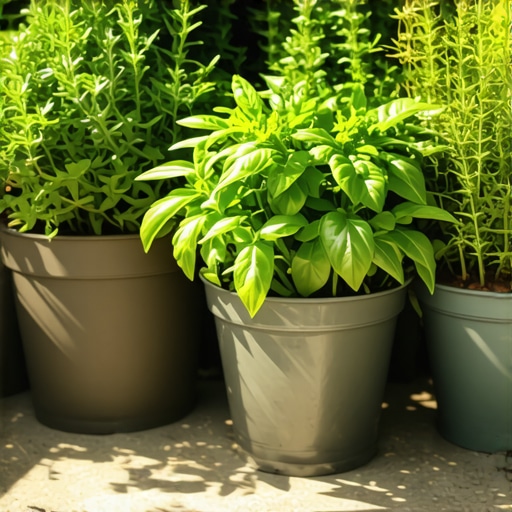
5 Best 2026 Herbs for Hot Concrete Patios
Top Heat-Tolerant Herbs for Urban Concrete Patios
Concrete is more than a walking surface; it is a thermal battery. In a professional landscaping environment, we treat a concrete patio as a heat-generating element that can reach surface temperatures 40 degrees higher than the surrounding turf. Designing a container garden or a perimeter herb bed in these zones requires an understanding of thermodynamics and plant physiology. You cannot simply drop a grocery-store plant into a plastic pot and expect it to survive the 2026 summer heat indexes. We select plants based on their ability to manage transpiration and survive the alkaline leaching that occurs when rainwater hits fresh concrete. Planning is 80 percent of the work. Before a single seed is sown, we analyze the sun exposure and the wind tunnels created by the home’s architecture. This is not about aesthetics; it is about survival rates and return on investment.
Understanding Thermal Mass in Garden Design
For 2026, the best herbs for hot concrete patios include Rosemary, Thyme, Sage, Oregano, and Lavender because these Mediterranean species possess thick cuticles and volatile oils that shield them from the intense thermal radiation and alkaline runoff common in hardscape environments. These plants thrive where others wilt because they have evolved to handle high-UV environments. Concrete has a high albedo effect, meaning it reflects a significant amount of solar radiation directly back onto the underside of plant leaves. This doubles the heat stress. Most plants have stomata on the underside of their leaves, and when that concrete heats up to 120 degrees Fahrenheit, those stomata shut down to prevent moisture loss. This stops growth. We choose herbs that can maintain gas exchange even when the ambient air temperature near the ground is punishing. This is why soil volume and container selection are critical components of the hardscaping plan.
The Apprentice Lesson: Why Concrete Kills Plants
I always drill into my new crew members: if you don’t fix the soil grading first, every plant you put in the ground is just expensive compost. I remember an apprentice who thought he could save time by skipping the gravel base in a series of large planters on a south-facing concrete terrace. He filled them with high-peat potting soil and planted $500 worth of lavender. Three weeks later, the lavender was dead. It wasn’t the heat that killed them; it was the lack of a capillary break. The concrete was so hot that it wicked the moisture out of the bottom of the pots, and when it did rain, the flat concrete didn’t allow for drainage. The pots sat in a pool of water, the roots rotted in the heat, and the client was out a half-grand. We had to excavate the whole mess, install a 1-inch layer of #57 stone at the bottom of each pot, and lift the pots off the concrete using 1-inch spacers. If you don’t respect the physics of the site, the biology will fail every time. You must account for drainage and air circulation between the pot and the hardscape surface.
“The primary cause of plant failure in urban hardscapes is not lack of water, but the localized increase in ambient temperature caused by concrete albedo and low soil oxygen levels.” – Agronomy Manual for Urban Environments
The 5 Best Herbs for Concrete Patios in 2026
1. Rosemary (Rosmarinus officinalis)
Rosemary is the king of the concrete jungle. Its needle-like leaves have a small surface area, which significantly reduces the rate of transpiration. We prefer the ‘Arp’ cultivar for its cold hardiness and heat resilience. Rosemary thrives in a pH range of 6.0 to 7.0 but is remarkably tolerant of the calcium carbonate that leaches out of concrete. When planting, we ensure the root flare is slightly above the soil line. If you bury it too deep, the heat from the concrete will cook the stem and invite fungal pathogens. Rosemary requires at least 6 hours of direct sunlight. In a concrete patio setting, it also benefits from the reflected heat during the night, which keeps the soil temperature stable. We use a soil mix that is at least 30 percent coarse sand to ensure the roots never sit in stagnant water.
2. Thyme (Thymus vulgaris)
Thyme is a low-growing powerhouse that can actually help cool the surface of your patio if used as a living mulch in planters. For 2026, we are looking at creeping varieties that can spill over the edges of stone containers. This serves a dual purpose: it hides the ugly edges of the pot and protects the container wall from direct sun, keeping the root zone cooler. Thyme’s essential oils, primarily thymol, act as a natural defense against the stress of high-heat environments. It requires very little nitrogen. In fact, if you over-fertilize thyme with high-nitrogen runoff from lawn care, it will grow leggy and lose its flavor. Keep the NPK ratio low, something like a 5-5-5, and apply it only once in the spring.
3. Sage (Salvia officinalis)
Sage is easily identified by its grayish-green, pebbly leaves. Those tiny hairs are not just for show; they are a sophisticated cooling system. The hairs, or trichomes, trap a layer of air against the leaf surface, creating a micro-climate that is cooler and more humid than the surrounding air. This allows sage to survive on a concrete patio when the humidity drops to 10 percent. We recommend the ‘Berggarten’ variety for its large, round leaves and compact growth habit. It handles the 110-degree thermal spikes of a concrete environment better than the variegated types. Sage is also extremely drought-tolerant once established. We tell our clients to wait until the top 2 inches of soil are bone dry before watering. Deep, infrequent watering forces the roots to grow downward, away from the hot surface soil.
4. Greek Oregano (Origanum vulgare hirtum)
If you want a plant that thrives on neglect, oregano is it. In the professional landscaping world, we use oregano as a fill plant for the harshest corners of the patio. It is a heliophyte, meaning it is a sun-lover that can handle the highest light intensities. Interestingly, the flavor of oregano actually improves with heat stress. The plant produces more carvacrol and thymol oils to protect itself from drying out, which results in a more pungent herb for the kitchen. We recommend using terracotta or unglazed ceramic pots for oregano. These materials are porous and allow the soil to breathe, preventing the root-cooking effect common in plastic containers left on hot concrete. Oregano is also resistant to the high-pH water often found in areas with heavy concrete construction.
5. Lavender (Lavandula angustifolia)
Lavender is often the most requested herb, but it is the hardest to keep alive on a patio. The key is drainage. Lavender will not tolerate wet feet, especially when the water is hot. For 2026, we are moving toward the ‘Phenomenal’ cultivar, which was specifically bred to handle the heat and humidity of the eastern United States. It has a high tolerance for root rot. When we install lavender on a concrete patio, we use a specialized potting mix: 50 percent high-quality potting soil, 25 percent perlite, and 25 percent horticultural grit. This ensures a high pore space for oxygen. Lavender needs to be elevated. We never place the pot directly on the concrete; we use pot feet or a rolling cedar caddy to ensure air flows underneath. This air gap acts as an insulator, breaking the thermal bridge between the concrete and the soil.
How much modified gravel do I need for a patio base?
For a standard concrete patio that will hold heavy planters, you need a minimum of 4 to 6 inches of compacted 21A or 3/4-inch modified gravel. This base provides the structural integrity to prevent cracking under the weight of large herb containers and ensures proper sub-surface drainage. Without a compacted gravel base, the concrete will shift during freeze-thaw cycles, leading to structural failure and drainage issues for your plants.
What is the best way to cool down a concrete patio for plants?
To reduce the thermal load on your herbs, you should utilize physical barriers and evaporative cooling. Placing pots on cedar slats or using light-colored outdoor rugs can reduce the surface temperature by 20 degrees. Additionally, grouping pots together creates a localized micro-climate where the plants shade each other’s root zones and collective transpiration increases the local humidity, protecting the stomata from closing during peak heat hours.
Drainage, Hydrostatic Pressure, and Container Selection
When you place a 100-pound planter on a concrete patio, you are dealing with more than just weight; you are dealing with drainage dynamics. If the drainage hole is flush against the concrete, water cannot escape. This creates hydrostatic pressure at the bottom of the pot, which pushes oxygen out of the soil. Roots need oxygen to respire. In a hot environment, the oxygen in water is depleted quickly. This leads to anaerobic conditions, and your herbs will die from the bottom up. We always use a “pot foot” or a spacer. It is a non-negotiable part of our installation process. Furthermore, we avoid dark-colored pots. A black plastic pot on a concrete patio in July is a death sentence. The pot itself will absorb UV radiation and cook the roots until they turn to mush. We stick to light grays, tans, or natural terracotta to reflect as much energy as possible.
“A retaining wall doesn’t fail because of the stone; it fails because of the water trapped behind it.” – Hardscape Engineering Axiom
| Herb Variety | Max Temp Tolerance | Ideal Soil pH | Root Depth Requirement |
|---|---|---|---|
| Rosemary ‘Arp’ | 115°F | 6.0 – 7.5 | 12 – 18 inches |
| Creeping Thyme | 110°F | 6.5 – 7.0 | 4 – 6 inches |
| Sage ‘Berggarten’ | 105°F | 6.0 – 7.0 | 10 – 12 inches |
| Greek Oregano | 110°F | 6.5 – 8.0 | 8 – 10 inches |
| Lavender ‘Phenomenal’ | 100°F | 6.7 – 7.3 | 12 – 15 inches |
The 10-Step Professional Herb Installation Checklist
- Identify the south and west-facing exposures of the patio to determine the highest heat zones.
- Select containers with a minimum diameter of 12 inches to provide enough soil mass for thermal buffering.
- Verify that every container has at least one 1-inch drainage hole in the center.
- Install 1 inch of #57 clean stone or horticultural grit at the bottom of each pot for drainage.
- Use a high-quality potting medium; avoid cheap bags with high peat content which can become hydrophobic.
- Amend the soil with 20 percent perlite to increase aeration and prevent compaction.
- Set the herb into the soil, ensuring the root flare is not buried.
- Apply a 1-inch layer of light-colored pea gravel or poultry grit as a top mulch to reflect heat.
- Place the pot on spacers or pot feet to break the thermal bridge with the concrete.
- Water deeply immediately after planting to eliminate air pockets around the root ball.
Proper maintenance of these herbs involves more than just watering. In the height of summer, you must check the soil moisture levels daily, but only water when necessary. We use a moisture meter or the finger test. If the soil is cool and damp 2 inches down, walk away. Over-watering in a high-heat environment leads to steamed roots. Pruning is also essential. By cutting back the top third of the plant in early summer, you reduce the leaf area that the roots have to support, making the plant more resilient to drought. This is the difference between a garden that survives and a garden that thrives. You are managing a biological system within a harsh engineering environment. Treat it with the technical respect it deserves.
![Why Your 2026 Hydrangeas Won't Bloom [3 Common Reasons]](https://lawnmajesty.com/wp-content/uploads/2026/05/Why-Your-2026-Hydrangeas-Wont-Bloom-3-Common-Reasons.jpeg)