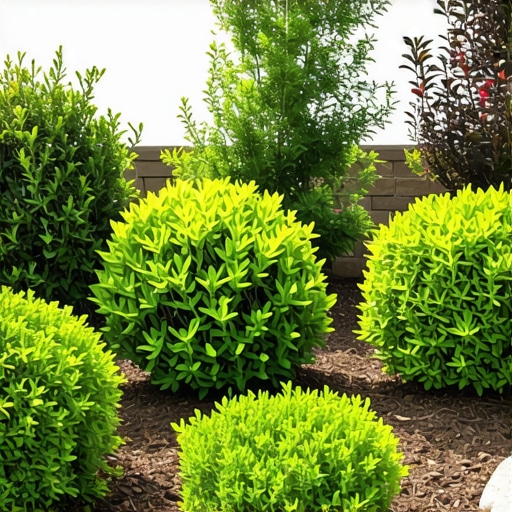
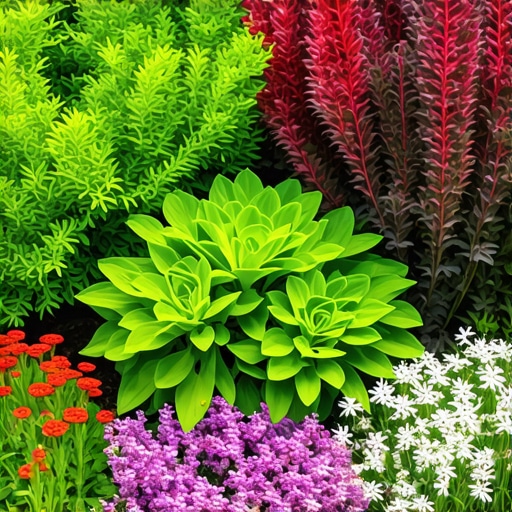
5 2026 Best Shrubs for Compact Garden Bedding
The Foundation of Landscape Engineering: Why Soil Grading Trumps Aesthetics
I always drill into my new crew members: if you don’t fix the soil grading first, every plant you put in the ground is just expensive compost. I have seen too many rookies install five-figure garden designs on flat ground, ignoring the hydrostatic pressure that builds up during a heavy rain. If the water doesn’t move away from the root flare at a rate of at least one inch per hour, you are not planting a garden; you are digging a grave. We recently excavated a site where the previous contractor had buried the root crowns of three dozen boxwoods under four inches of heavy clay soil. Every single one of them suffocated. In our firm, we do not start planting until we have verified the slope with a laser level. Landscape design is 80 percent civil engineering and 20 percent biology. If you ignore the 811 utility markings or the soil’s bulk density, the most expensive shrubs in the world will fail within two seasons. The 5 2026 best shrubs for compact garden bedding are those that provide structural density and genetic stability in tight spaces while resisting the common pathogens found in urban and suburban soil profiles.
“A retaining wall doesn’t fail because of the stone; it fails because of the water trapped behind it.” : Hardscape Engineering Axiom
The Physics of Compact Bedding and Shrub Selection
Selecting the best shrubs for compact garden bedding involves understanding genetic dwarfism, root system architecture, and specific soil alkalinity tolerances. In 2026, the focus for garden design is on plants that maintain their form without excessive pruning, which often introduces mechanical stress and entry points for Boring insects or fungal spores. You need shrubs that can handle the high-heat microclimates of modern hardscaping while maintaining their photosynthetic efficiency. Don’t be fooled by the big-box store tags that promise a plant stays small; we look for cultivars that have been trialed for at least five years in conditions that mimic the compaction of residential soil. The following selections are the result of rigorous nursery trials and field observations from our own hardscaping projects where space is at a premium.
1. Hydrangea Paniculata ‘Little Hottie’
This cultivar represents a major shift in panicle hydrangea breeding, focusing on extreme heat tolerance and structural stem strength. Unlike older varieties that flop under the weight of their own blooms, ‘Little Hottie’ maintains a rigid, upright habit that is essential for compact garden bedding where every inch of vertical space must be earned. The lignification of the stems is significantly more robust than the standard ‘PeeGee’ varieties. It tops out at 3 feet, making it perfect for under-window plantings where visibility must be maintained. Soil pH for these should be kept between 5.8 and 7.0 for optimal nutrient uptake of iron and magnesium. If your soil is too alkaline, you will see interveinal chlorosis, which is a death sentence for aesthetics in a high-end garden design.
2. Ilex Glabra ‘Strongbox’ (Inkberry Holly)
With boxwood blight ravaging landscapes across the country, Ilex glabra ‘Strongbox’ has become our go-to solution for low-hedging. This is a native alternative that mimics the look of Buxus but with the hardiness of a species adapted to varied moisture levels. It stays tight and round without the need for constant shearing. From a technical standpoint, the root system is fibrous and less likely to interfere with nearby hardscaping or drainage pipes. We install these in beds where we need a year-round structural anchor. Unlike the species, ‘Strongbox’ does not get leggy at the base, provided you don’t commit the sin of mulch volcanoes. Keep the root flare visible. If you bury it, the bark will decay, and the vascular system will fail. It is that simple.
3. Taxus x Media ‘Densiformis’ (Dense Yew)
For areas with high shade or where you need a plant that can be sculpted with surgical precision, the dense yew is the gold standard. This is a calciphile plant, meaning it actually prefers soils with a slightly higher pH, often found near concrete foundations where lime leaches into the soil. However, it will not tolerate wet feet. If your garden design includes a patio, make sure the modified gravel base (typically 21A or 57 stone) is properly separated from the planting bed by a geotextile fabric to prevent the fine soil particles from clogging your drainage layer. Taxus is toxic to pets and humans, so we use it strategically in foundation beds where foot traffic is limited. It is the workhorse of high-end landscaping because of its longevity and deep green color that does not bleach out in winter.
“Proper plant establishment depends on the interaction between the root ball and the surrounding soil matrix; a failure to break up the glazed sides of a dug hole can lead to root girdling and eventual plant decline.” : Texas A&M AgriLife Extension Manual
4. Physocarpus Opulifolius ‘Tiny Wine’ (Ninebark)
Ninebark is a native powerhouse, and ‘Tiny Wine’ is the best version for compact bedding. It offers a multi-stemmed structural habit with exfoliating bark that provides winter interest. In the context of garden design, this shrub provides the dark foliage contrast that makes other colors pop. From a biological perspective, it is highly resistant to powdery mildew, a common plague for many ornamental shrubs. We recommend this for homeowners who want a high-impact look with zero chemical intervention. It thrives in USDA zones 3 to 7, making it versatile for most northern and central climates. We typically plant these in groups of three to create a rhythmic color block in the landscape.
5. Juniperus Horizontalis ‘Blue Chip’
While often classified as a groundcover, ‘Blue Chip’ functions as a low-profile shrub for the edges of garden beds. It is the ultimate erosion control tool for beds with a slight incline. The silver-blue foliage provides a cool tone that balances the heat of stone pavers. This plant is a xeriscape champion; once the root system is established, it requires almost no supplemental irrigation. The key is the installation. You must ensure the soil is not overly amended with organic matter; junipers prefer a leaner, grittier soil that allows for rapid drainage. Over-fertilizing these is a mistake. High nitrogen levels lead to soft, leggy growth that is susceptible to fungal blights. Let them work for their nutrients.
Technical Material Comparison for Compact Bedding
| Shrub Cultivar | Mature Height | Growth Rate | Preferred Soil pH | Water Requirements |
|---|---|---|---|---|
| Little Hottie Hydrangea | 3-4 ft | Moderate | 5.8 – 7.0 | High (1-2″ per week) |
| Strongbox Inkberry | 2-3 ft | Slow | 4.5 – 6.5 | Moderate |
| Dense Yew | 3-4 ft | Slow | 6.0 – 7.5 | Low to Moderate |
| Tiny Wine Ninebark | 3-4 ft | Fast | 5.0 – 7.0 | Moderate |
| Blue Chip Juniper | 1 ft | Moderate | 6.0 – 8.0 | Low |
The Step-by-Step Installation Protocol
To ensure these shrubs survive the first critical year, our crews follow a strict engineering protocol. This is not just about putting a plant in a hole. It is about creating a biological environment where the plant can transition from nursery container to site soil. Most people skip the compaction check. If your soil is too loose, the plant will settle and the root flare will end up below grade. If it is too tight, the roots cannot penetrate. Aim for a soil compaction level that allows a penetrometer to move through with moderate resistance. Here is the checklist we use for every garden design project.
- Step 1: Utility Clearance. Always call 811. We do not risk hitting a gas line for a $50 shrub.
- Step 2: Excavation. Dig the hole twice as wide as the root ball but no deeper. The bottom of the hole must be undisturbed soil to prevent settling.
- Step 3: Root Manipulation. If the plant is pot-bound, use a sharp blade to make vertical cuts in the root ball. This breaks the circular growth pattern and forces outward development.
- Step 4: Orientation. Face the best side of the shrub toward the primary viewing angle. In compact bedding, every angle matters.
- Step 5: Backfilling. Use the native soil. Do not fill the hole with pure potting soil or peat moss; you will create a bathtub effect where water gets trapped in the hole.
- Step 6: Hydration. Water the plant in as you backfill to remove air pockets. This is more effective than tamping the soil with your boots.
- Step 7: Mulching. Apply 2 inches of aged hardwood mulch. Keep it 3 inches away from the trunk. Airflow at the base is non-negotiable.
How much modified gravel do I need for a patio base?
If your garden bed sits adjacent to a new patio, you need to calculate your base material precisely. For a standard residential patio, we use 6 inches of compacted 21A modified gravel. To calculate: multiply the square footage by 0.5 (for the 6-inch depth) and divide by 27 to get cubic yards. Then, multiply by 1.5 to account for the compaction factor. If you skip the compaction, your patio will heave and your garden beds will wash out. Use a plate compactor in 2-inch lifts. Anything less is amateur work.
What is the best way to manage irrigation in compact beds?
Drip irrigation is the only professional choice for compact garden bedding. Overhead watering is inefficient and promotes leaf spot and powdery mildew by keeping the foliage wet. We install 0.9 gallon-per-hour emitters at the base of each shrub. In 2026, we are integrating smart controllers that use local weather station data to adjust run times based on actual evapotranspiration rates. This prevents the number one killer of landscape plants: over-watering. Turf grass needs an inch of water a week, but shrubs need deep, infrequent soaking to force roots to chase the moisture down into the lower soil horizons. This builds drought resilience. Shallow watering creates weak plants.
The Long-Term Maintenance Cycle
A garden is a living system, not a static painting. In year one, your primary job is moisture management. By year two, you should be looking at structural pruning. For most compact shrubs, you want to remove any crossing or rubbing branches in late winter before the sap begins to flow. This is also the time to apply a slow-release, granular fertilizer with a balanced NPK ratio like 10-10-10 or a specific acid-loving formula for your hollies and hydrangeas. Do not use high-nitrogen lawn fertilizers near your shrub beds; you will trigger excessive soft growth that attracts aphids and mites. Hardscaping should also be inspected annually. Check the polymeric sand in your paver joints. If it is eroding, replace it. This prevents weed seeds from germinating and migrating into your garden beds. Professional landscaping is about the details that the average homeowner never sees. It is the difference between a yard that looks good for a month and a landscape that appreciates in value for a decade. Stop buying cheap plants from big-box stores and start investing in quality genetics and proper engineering. Your property deserves better than the bare minimum.
![Stop Killing 2026 Lavender: 3 Drainage Secrets [Zone 7]](https://lawnmajesty.com/wp-content/uploads/2026/06/Stop-Killing-2026-Lavender-3-Drainage-Secrets-Zone-7.jpeg)