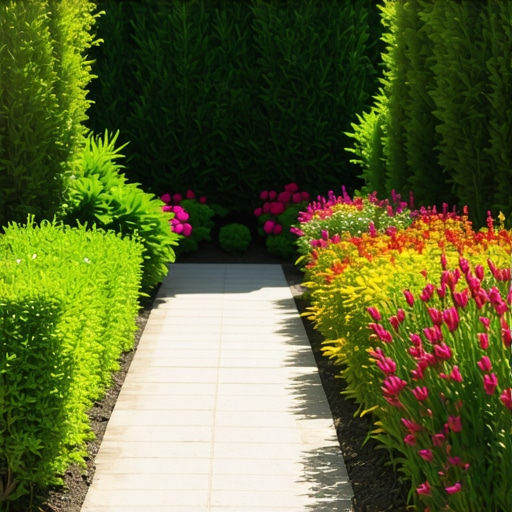
5 2026 Best Trees for Small Suburban Backyard Privacy
Landscape engineering is not about aesthetics; it is about the physics of space and the biology of growth. When planning for 2026, we are looking at specific cultivars that solve the suburban dilemma of maximizing privacy without sacrificing square footage. I always drill into my new crew members: if you don’t fix the soil grading first, every plant you put in the ground is just expensive compost. You can buy a seven-foot specimen, but if you bury the root flare or ignore the soil pH, you are just watching money rot in real time. We are seeing a shift toward cultivars that handle the erratic freeze-thaw cycles and the compacted, high-alkalinity soils typical of new construction. This guide breaks down the engineering requirements for a living screen that actually works.
The Core Selection Criteria for Small Backyard Privacy
Selecting privacy trees for 2026 requires prioritizing vertical growth habit, pest resistance, and USDA hardiness zone compatibility. Homeowners must evaluate soil drainage capacity and root zone footprint to avoid damaging nearby hardscaping or underground utility lines during the long-term maturation process of the species.
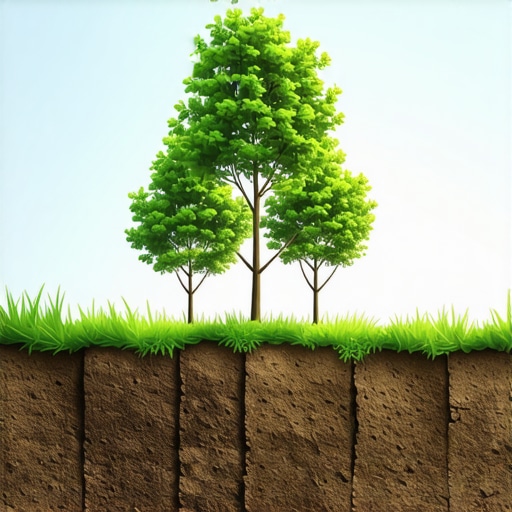
Eighty percent of the success of a privacy screen happens before a shovel touches the dirt. You need to understand the hydrostatic pressure of your site. If your backyard sits at the bottom of a slope, planting a species that hates wet feet is a death sentence. Most suburban lots are compacted to a density of 1.5 to 1.9 grams per cubic centimeter. That is basically concrete. Roots cannot penetrate that. You have to mechanically fracture that soil profile before installation. We use a penetrometer to check the resistance before we even specify the tree list. If the needle hits 300 PSI, we are ripping the soil with a subsoiler, not just digging a hole. Don’t skip this. It is the difference between a tree that thrives and one that sits in a bathtub of water until it dies of root rot.
“A retaining wall doesn’t fail because of the stone; it fails because of the water trapped behind it.” – Hardscape Engineering Axiom
1. Thuja occidentalis ‘American Pillar’
The ‘American Pillar’ is the superior successor to the overused ‘Emerald Green.’ It grows at a rate of 3 feet per year, reaching 15 to 20 feet tall while staying only 4 feet wide. This is a narrow-profile beast. It handles heavy snow loads without splaying open, which is a common failure point for lesser arborvitae. Its root system is fibrous and stays relatively shallow, making it safe for placement near a patios or walkways. You need to ensure the soil pH is between 6.0 and 7.5. If you are in a heavy clay region, you must mound these trees. Planting them flush with the ground in clay is a mistake I see every year. It leads to Phytophthora root rot. Dig the hole twice as wide as the root ball but no deeper. Let that root flare breathe.
2. Juniperus virginiana ‘Taylor’
For the tightest spots, the ‘Taylor’ Juniper is the engineering solution. It is a column of steel-green foliage that rarely exceeds 3 feet in width. It is the choice for landscaping projects where the setback from the property line is minimal. It is drought-tolerant once established because its stomata are designed to minimize transpiration. It thrives in poor, rocky soils where other trees would fail. Do not over-water this tree. It requires exactly 1 inch of water per week in the first year and almost nothing after that. If you see the interior needles turning brown, check your drainage. It is likely sitting in stagnant water. We often install these with a 4-inch perforated HDPE pipe underneath to ensure oxygen reaches the root zone. Oxygen is just as important as water.
| Species | Growth Rate (Annual) | Width at Maturity | Minimum Soil Depth |
|---|---|---|---|
| American Pillar | 36 inches | 4 feet | 18 inches |
| Taylor Juniper | 12-18 inches | 3 feet | 24 inches |
| Nellie R. Stevens | 24 inches | 10 feet | 30 inches |
| Skip Laurel | 12-24 inches | 6 feet | 12 inches |
| Slender Silhouette | 36+ inches | 4 feet | 36 inches |
3. Ilex x ‘Nellie R. Stevens’
This is the heavy hitter of broadleaf evergreens. The ‘Nellie R. Stevens’ Holly provides a literal wall of dark green, prickly leaves that deter both neighbors and deer. It is a sterile hybrid, so you don’t get the messy fruit drop associated with some hollies. In garden design, we use this as a structural anchor. It can handle heavy pruning, meaning you can keep it as a formal hedge or let it go as a 20-foot screen. It prefers slightly acidic soil, around 5.5 to 6.5 pH. If your soil is alkaline, you will see chlorosis—yellowing leaves with green veins. You fix this with elemental sulfur, not more water. This tree is a heavy feeder. Use a 10-10-10 fertilizer in early spring and again in June. Stop after that. You don’t want soft, new growth hitting a November freeze.
How close to a fence can I plant a privacy tree?
You should plant privacy trees at least half of their mature width plus one foot away from a fence. For a tree that grows 4 feet wide, plant it 3 feet from the fence to allow for air circulation and to prevent the branches from rubbing against the structure.
4. Prunus laurocerasus ‘Schipkaensis’ (Skip Laurel)
If your backyard has significant shade from the house or larger canopy trees, the Skip Laurel is your only real choice. It is one of the few evergreens that can handle 4 hours of sun and still maintain a dense habit. It has a refined, leathery leaf that resists the common shothole fungus better than the standard ‘Otto Luyken’ variety. We use these in hardscaping layouts to soften the edge of tall stone walls. They stay manageable at 10 feet tall. Watch for drainage here. Laurels hate