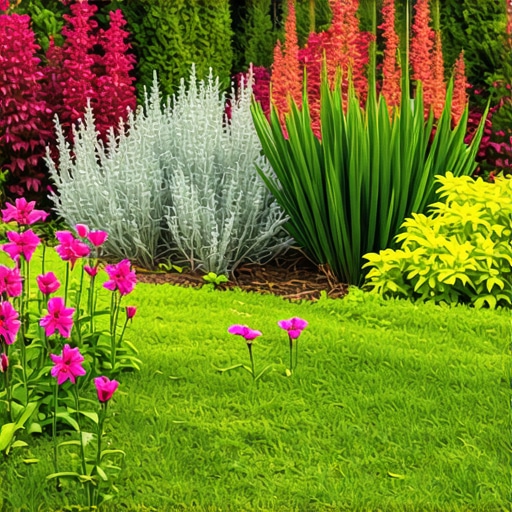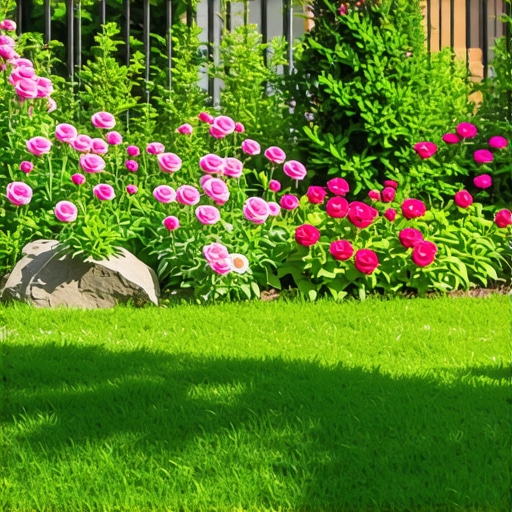
5 2026 Deer-Resistant Flowers for Open Gardens
Designing Open Gardens for Maximum Deer Resistance
Successful deer-resistant garden design requires a multi-layered strategy focusing on olfactory deterrents, foliage texture, and chemical defenses. By selecting plants like Salvia or Amsonia and optimizing soil grading to prevent water logging, you create a resilient landscape that discourages browsing without expensive fencing. I always drill into my new crew members: if you don’t fix the soil grading first, every plant you put in the ground is just expensive compost. It is a hard truth of horticulture. Before we even talk about flower color or bloom cycles, we talk about 811 / Dig Safe and utility marking. We talk about the 2 percent slope away from the foundation. We talk about the hydrostatic pressure that builds up when you ignore site drainage. If the soil is a compacted, anaerobic mess, no amount of fancy 2026 cultivars will survive the winter. You are building an ecosystem, not decorating a room. A plant that is stressed by poor drainage or a 8.5 pH soil in a region meant for 6.5 pH will emit stress signals. Deer pick up on these chemical changes and will browse plants they otherwise might ignore. Quality starts with the dirt. Don’t skip this.
Selecting the Right Plant Materials for 2026 Landscapes
Choosing deer-resistant flowers for your 2026 garden involves analyzing the botanical alkaloids and tactile characteristics that discourage herbivores while maintaining high landscape aesthetics. Prioritize species with leathery leaves, aromatic oils, or toxic saps to ensure long term survival in open, unfenced areas. It is about biology. Deer have highly developed olfactory systems. If a plant smells like menthol or bitter latex, they generally move on to the neighbor’s hostas. But let’s be clear: deer-resistant is not deer-proof. A starving deer will eat a fence post. Your goal is to make your property the least appetizing option on the block. This requires moving away from the soft, water-bloated plants sold at big-box stores. Nursery stock grown in local soil conditions is always superior. It has a more developed root flare and better mycorrhizal colonization. This makes the plant tougher. Tough plants survive. Fluffy, over-fertilized greenhouse plants die the first time the temperature drops or the deer get curious.
“A retaining wall doesn’t fail because of the stone; it fails because of the water trapped behind it.” – Hardscape Engineering Axiom
1. Amsonia hubrichtii (Arkansas Bluestar)
Arkansas Bluestar is a structural powerhouse that offers seasonal color transitions and high unpalatability to deer due to its milky latex sap. It thrives in USDA zones 4-9 and prefers well-drained soil with a neutral pH, making it ideal for open garden design. The architecture of this plant is incredible. In spring, you get blue star-shaped flowers. In fall, the needle-like foliage turns a brilliant gold. Deer hate the sap. It is sticky and bitter. For the best results, plant these in full sun. If you put them in too much shade, they get floppy. Floppy plants are a sign of weak cell walls. We want turgor pressure. We want structural integrity. Check your soil compaction before planting. If you can’t push a screwdriver six inches into the ground, you need to aerate.
2. Salvia nemorosa ‘Back to the Fuchsia’
This 2026 favorite provides intense nectar production for pollinators while utilizing aromatic oils to deter deer browsing and rabbit damage. To maximize bloom cycles, gardeners must implement deadheading protocols and ensure the soil NPK ratio is balanced to prevent excessive nitrogen-led leaf growth. Salvia is a staple for a reason. The square stems and pungent scent are evolutionary defense mechanisms. When we install these, we ensure the root ball is flush with the soil surface. Planting too deep causes stem rot. It is a common mistake made by hacks. One inch of water per week is the rule. Deep, infrequent watering forces the roots to chase the moisture down, creating a drought-tolerant specimen.
3. Helleborus orientalis (Lenten Rose)
Hellebores are evergreen perennials that offer early spring blooms and contain protoanemonin, a chemical compound that makes them highly toxic to deer and other livestock. These plants are the gold standard for shade landscaping and hardscaping borders where moisture levels are consistently monitored. They are essentially bulletproof. The leaves are leathery and tough. Most herbivores won’t even sniff them. However, they are sensitive to soil pH. If your soil is too acidic, they will struggle to uptake nutrients. We often top-dress with a bit of lime if the soil test comes back below 6.0. Dig the hole twice as wide as the root ball. Space them according to their mature width, not their current size. Crowded plants lead to fungal issues like Botrytis. Airflow is your friend.
4. Digitalis purpurea (Foxglove)
Foxgloves are biennial flowers known for their vertical interest and the presence of cardiac glycosides, which serve as a natural deer repellent. In modern garden design, they provide essential height and pollinator support without the need for chemical deterrent sprays. These are high-impact plants. But they are poisonous. Every part of the plant contains digitalis. Deer know this. They have evolved to avoid it. From a landscaping perspective, they are great for the back of a border. They need rich soil. We usually incorporate composted leaf mold into the planting site. If the soil is heavy clay, the roots will suffocate. Drainage is everything. If the water doesn’t move, the plant doesn’t live.
5. Eryngium planum (Sea Holly)
Sea Holly features thistle-like bracts and spiny foliage that creates a mechanical barrier against deer, making it a premier choice for xeriscaping and low-maintenance lawn care alternatives. It thrives in sandy loam and can tolerate high levels of soil salinity. This is the ultimate “don’t touch me” plant. The texture is metallic and sharp. Deer have sensitive mouths; they aren’t going to chew on a pincushion. Sea Holly has a long taproot. This means it doesn’t like to be moved once it is established. Map out your garden design before you put the spade in the dirt. It is easier to move a plant on a piece of paper than it is to move a five-year-old Eryngium.
“Soil structure is the foundation of all plant health; without pore space for air and water, root respiration ceases.” – Agronomy Manual Vol. 4
How much modified gravel do I need for a patio base?
For a standard hardscape installation, you should calculate base material by multiplying the square footage by the depth (usually 6 inches for patios), then dividing by 27 to get cubic yards. Proper compaction of the modified gravel is critical to prevent settling and heaving. You need about 1 ton of gravel per 50 square feet at a 4-inch depth. Don’t eyeball it. Use a plate compactor. The base should be so solid that the machine literally bounces off the surface. If it sinks, you have too much moisture or not enough compaction. This is engineering. If the base fails, the pavers will follow.
What are the best soil amendments for deer-resistant perennials?
To optimize perennial health, focus on organic matter like compost or well-rotted manure to improve soil cation exchange capacity (CEC) and drainage. Avoid high-nitrogen fertilizers which can produce soft, succulent growth that is more attractive to deer and pests. Focus on the soil food web. You want healthy fungi and bacteria levels. A soil test is $20 and will save you $2,000 in dead plants. If your Phosphorus is high, stop adding 10-10-10. Use a targeted approach. Gardening is a science. Treat it like one.
| Plant Name | Deer Resistance Level | Primary Defense Mechanism | Maintenance Level |
|---|---|---|---|
| Amsonia hubrichtii | Extreme | Bitter Latex Sap | Low |
| Salvia nemorosa | High | Aromatic Oils | Moderate |
| Helleborus orientalis | Extreme | Chemical Toxicity | Low |
| Digitalis purpurea | High | Cardiac Glycosides | Moderate |
| Eryngium planum | Extreme | Mechanical Thorns | Low |
- Step 1: Conduct a soil test to determine pH and nutrient levels.
- Step 2: Call 811 to mark underground utility lines before digging.
- Step 3: Grade the site to ensure a 2 percent slope away from structures.
- Step 4: Amend soil with organic compost to improve drainage and aeration.
- Step 5: Install plants ensuring the root flare is at or slightly above the soil line.
- Step 6: Apply a 2-inch layer of hardwood mulch, avoiding the stems (no mulch volcanoes).
- Step 7: Water deeply to a depth of 6 inches to encourage deep root growth.
![5 Native Shrubs for Zero-Water Privacy in 2026 [Zone 8]](https://lawnmajesty.com/wp-content/uploads/2026/05/5-Native-Shrubs-for-Zero-Water-Privacy-in-2026-Zone-8.jpeg)