Build a $200 Modern Trellis for 2026 Vines
The Engineering of Vertical Growth: Beyond the Big-Box Lattice
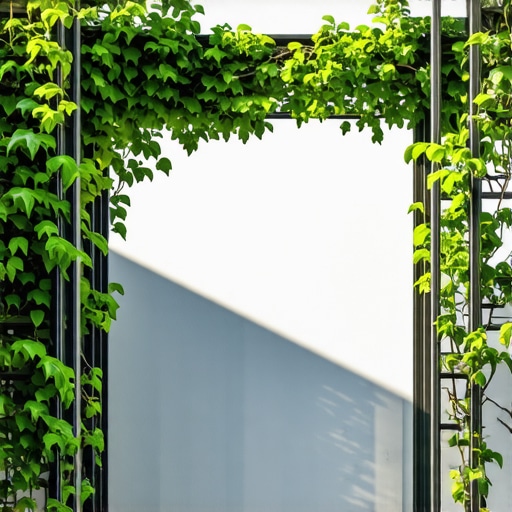
A modern trellis is a structural vertical framework designed to support the heavy biomass of climbing plants while withstanding wind shear and hydrostatic pressure. By using rot-resistant timber like Western Red Cedar and heavy-gauge steel cattle panels, you create a permanent landscape fixture that serves both as a privacy screen and a biological habitat. Most DIY kits fail within three seasons because they rely on staples and soft pine. This build prioritizes structural integrity and horticultural health.
I always drill into my new crew members: if you don’t fix the soil grading first, every plant you put in the ground is just expensive compost. The same logic applies to vertical structures. I’ve seen $5,000 Pergolas collapse because the contractor didn’t understand the leverage of a mature vine. When you are planning for 2026 growth, you aren’t just building for a seedling; you are building for 300 pounds of wet vegetation catching a 40-mph wind gust. If your posts aren’t set properly, that trellis becomes a sail that will rip your footings right out of the clay.
“Trellis systems must be engineered to support not only the dry weight of the plant but also the increased load from rain, snow, and wind resistance created by the foliage.” – Penn State Extension Horticulture Manual
[image_placeholder_1]
Material Selection: Why $200 Beats the Cheap Alternatives
Selecting materials for a modern trellis requires balancing tensile strength, rot resistance, and thermal conductivity. While big-box stores push plastic lattices, these become brittle under UV exposure and offer no structural support for woody perennials. For a $200 budget, the focus shifts to 4×4 Western Red Cedar posts and 4-gauge galvanized steel mesh panels. These materials provide the necessary thickness to resist bowing under the weight of vines like Clematis or Wisteria while maintaining a clean, architectural aesthetic.
| Material | Approximate Cost | Expected Lifespan | Maintenance Level |
|---|---|---|---|
| Western Red Cedar (4×4) | $120 – $140 | 15+ Years | Low (Natural Tannins) |
| 4-Gauge Steel Mesh | $40 – $50 | 25+ Years | Zero |
| Stainless Steel Fasteners | $15 – $20 | Indefinite | Zero |
| Structural Concrete | $10 – $15 | 50+ Years | Zero |
How do I stop my trellis from rotting in the ground?
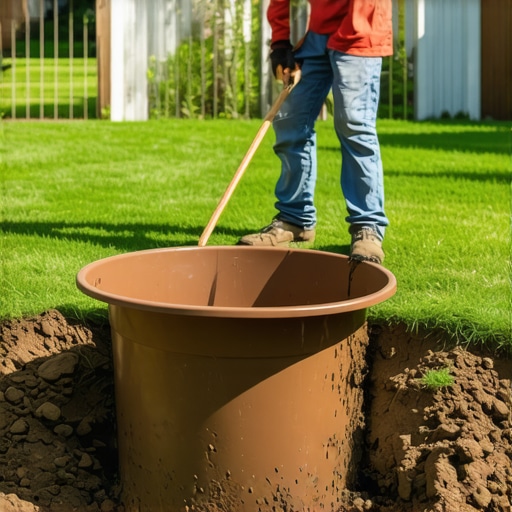
To prevent post rot, you must avoid the common mistake of ‘encasing’ the wood bottom in a concrete cup. Instead, use a 6-inch gravel base for drainage below the concrete footing and slope the concrete ‘collar’ away from the post at the surface. This prevents water from pooling against the grain.
The Installation Blueprint: Setting the Foundation
Structural stability in landscaping starts below the frost line to prevent heaving and lateral shifting. For a 6-foot tall trellis, you need at least 24 inches of post depth, with a hole diameter three times the width of the post. In heavy clay soils, common in many residential developments, drainage is the primary enemy; if the hole holds water, the cedar will eventually succumb to anaerobic rot regardless of its natural tannins. We use a 3/4-inch crushed stone base to ensure water moves away from the wood fibers.
What is the best depth for a trellis post?
The industry standard for a non-load-bearing vertical structure is burying one-third of the total post height. For a standard 72-inch trellis, this equates to a 24-inch depth. In regions with high wind or loose, sandy soil, increasing this to 36 inches provides the necessary leverage to resist tipping.
The Biological Interface: Choosing Your 2026 Vines
Planting for the future requires understanding climbing mechanisms and growth rates to ensure the trellis isn’t overwhelmed or underutilized. Different species use different methods to ascend—some use tendrils, some use adventitious roots, and others use twining stems. If you select a heavy-wooded vine like American Wisteria, your trellis must be anchored into structural footings; if you choose a delicate annual like Morning Glory, the 4-gauge mesh is overkill but provides a beautiful architectural shadow line.
- Inspect the Root Flare: Never bury the graft union or root flare of your vines. It leads to stem girdling.
- Avoid Mulch Volcanoes: Keep mulch 3 inches away from the trellis posts and the vine stems to prevent rot.
- Pruning Cycles: Plan for 2026 by establishing a structural pruning habit in year one to force lateral growth.
- Hydration Logic: Use drip irrigation at the base. Overhead watering encourages fungal leaf spot on vertical foliage.
“Posts in contact with soil require a minimum of 0.40 pcf preservative retention for ground-contact durability, though natural tannins in heartwood are often superior for organic gardening.” – Timber Engineering Standard
Post-Build Maintenance Checklist
Maintenance is not an afterthought; it is a preservation strategy for your $200 investment. Check your fasteners annually for galvanic corrosion if you mixed metal types. Tighten any structural screws that may have backed out due to wood expansion and contraction. Don’t skip the inspection of the ground-contact point. If you see standing water, you need to adjust your lawn care irrigation heads to avoid spraying the wood directly.
- Check post plumb every spring after the ground thaws.
- Prune dead wood from vines to reduce weight and increase airflow.
- Inspect steel mesh for any signs of coating failure to prevent rust streaks.
- Ensure the vine isn’t ‘choking’ the post; maintain a gap for trunk expansion.