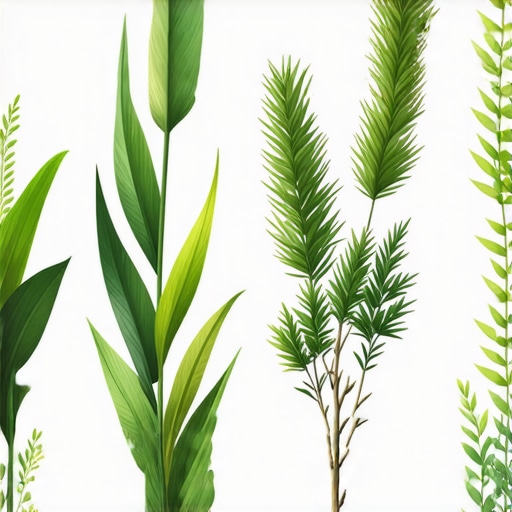
5 Best 2026 Privacy Plants That Grow 3 Feet a Year
The Engineering of Living Walls: Why Planning Beats Planting
I always drill into my new crew members: if you don’t fix the soil grading and site hydrology first, every plant you put in the ground is just expensive compost. Most homeowners see a bare fence line and want immediate screening, but they ignore the physics of the root zone. A 10-foot evergreen is a massive wind-sail; if your soil structure can’t handle the shear force or if the drainage is stagnant, those plants will lean or rot before they ever reach the three-year mark. Success in 2026 landscaping requires a shift from ‘aesthetic gardening’ to ‘biological engineering.’ You aren’t just buying green leaves; you are installing a high-performance privacy system that must integrate with your property’s existing infrastructure.
How fast do privacy plants actually grow?
To achieve a fast-growing privacy screen, you must select species like Thuja ‘Green Giant’ or Nellie R. Stevens Holly that exhibit vertical growth rates of 36+ inches annually when supported by optimized nitrogen levels and consistent deep-root irrigation tailored to your specific USDA Hardiness Zone. Real growth is measured by caliper thickness and structural integrity, not just tip extension. We focus on plants that hit that three-foot-per-year benchmark without sacrificing the density required to block prying eyes or neighbor’s floodlights.
“Proper spacing for privacy hedges is not about the day of installation; it is about managing the air-flow and light penetration required to prevent lower-branch needle drop as the canopy closes.” – Penn State Extension Horticultural Manual
1. Thuja Standishii x Plicata ‘Green Giant’
The Green Giant Arborvitae remains the gold standard for rapid screening due to its resistance to bagworms and exceptional growth rate of up to 3 to 5 feet per year under ideal conditions. It is the workhorse of high-end garden design. We use these because they handle heavy snow loads better than the Leyland Cypress. The plant’s internal structure is resilient. You need a soil pH between 5.0 and 6.5. If you are in heavy clay, you must mound these. Do not bury the root flare. I’ve seen $50,000 installs die in two seasons because a hack buried the flare under four inches of mulch. It suffocates the tree. The root flare must be visible at the soil line.
2. Ilex x ‘Nellie R. Stevens’ (Nellie R. Stevens Holly)
The Nellie R. Stevens Holly is the premier choice for homeowners who want a dense, evergreen wall that is virtually impenetrable to both sight and physical intrusion. It hits that 3-foot mark once the root system is established. Most guys fail here because they don’t provide enough water in year one. These hollies require a deep soak. We calculate irrigation at 10 gallons per inch of trunk diameter. This isn’t a suggestion; it’s a requirement. The berries provide winter interest, but the real value is the 15-foot wide footprint that can be sheared into a formal 20-foot tall wall. It’s heavy. It’s durable. It works.
3. Cryptomeria Japonica ‘Yoshino’
If you want a privacy screen that doesn’t look like a standard suburban fence, Cryptomeria Japonica is the answer. It grows 2 to 3 feet a year and offers a feathery texture that creates soft shadows in landscape lighting. It is less prone to the browning issues seen in common Thuja varieties during extreme heat. In my experience, these are best for estates where the hardscaping includes natural stone. The blue-green foliage turns a slight bronze in winter—a natural response, not a disease. Don’t call me in January thinking it’s dying. It’s just hibernating.
4. Cupressocyparis Leylandii (The High-Maintenance Speedster)
I have a love-hate relationship with the Leyland Cypress. It is the fastest grower on this list, often exceeding 4 feet a year. However, it is a biological ticking time bomb if you don’t manage the Seiridium canker risk. You cannot crowd these. They need 10 to 12 feet of spacing. If you jam them together at 4-foot intervals like the big-box stores suggest, the lack of airflow will create a fungal nightmare within six years. We only install these in well-ventilated, high-drainage sites. It’s the high-performance sports car of plants; fast, but it needs a mechanic on standby.
5. Bambusa Oldhamii (Clumping Giant Timber Bamboo)
Stop. Before you scream ‘invasive,’ I am talking about clumping bamboo, not the running varieties that destroy foundations and end up in lawsuits. Bambusa Oldhamii can grow 3 feet in a week during the shooting season, let alone a year. It is the ultimate vertical privacy solution for tight spaces where you only have a 3-foot wide planting bed but need a 20-foot tall screen. You must ensure you are in Zone 8 or higher. If you’re in the north, forget it. It will melt in a hard freeze. For southern garden design, it is an architectural powerhouse.
How much modified gravel do I need for a patio base?
While often asked during privacy installs, patio base depth requires a minimum of 4 to 6 inches of compacted 21A or CR-6 modified gravel to support the weight of pavers and prevent shifting. For a 10×10 patio, you’re looking at roughly 2 to 3 tons of stone. If you don’t compact in 2-inch lifts, your pavers will settle, and your ‘privacy nook’ will become a trip hazard within two seasons. Compaction is non-negotiable.
Which plant is best for year-round privacy?
For total year-round opacity, the Green Giant Arborvitae is the superior choice because its dense scale-like foliage does not thin out in winter, unlike deciduous options. It maintains a consistent optical barrier and acts as a noise buffer against street traffic when planted in a staggered double-row configuration. This ‘zig-zag’ planting method increases sound attenuation by 30% over a single row.
| Plant Species | Growth Rate (ft/yr) | Mature Height | Best Soil Type |
|---|---|---|---|
| Green Giant Thuja | 3-5 | 40-60 ft | Moist, Well-drained |
| Nellie R. Stevens | 2-3 | 15-25 ft | Acidic Loam |
| Cryptomeria | 2-3 | 30-40 ft | Rich, Deep soil |
| Leyland Cypress | 3-4 | 60-70 ft | Versatile/Well-drained |
| Clumping Bamboo | 3-10 | 20-30 ft | High Nitrogen/Wet |
“A retaining wall doesn’t fail because of the stone; it fails because of the water trapped behind it.” – Hardscape Engineering Axiom
The Professional Installation Checklist
- Utility Marking: Always call 811. I’ve seen guys hit gas lines for a $50 shrub. It’s stupid. Don’t be that guy.
- Percolation Test: Dig a hole, fill it with water. If it’s still there in 4 hours, you have a drainage crisis.
- Auger vs. Spade: Use an auger for volume, but always hand-scuff the sides of the hole. Glazed soil walls prevent root penetration.
- Drip Irrigation: Forget overhead sprinklers. You need emitters at the root ball to prevent needle blight and conserve water.
- Mulch Depth: Two inches maximum. Keep it away from the trunk. No mulch volcanoes. Period.
Landscaping isn’t about the day you finish; it’s about the five years that follow. If you choose the right cultivars and respect the soil biology, 2026 will be the year your property finally becomes the private fortress you want. If you cut corners on the base or the biology, you’ll be calling me to rip it all out in 2028. Do it right the first time. It’s cheaper.