
5 Low-Maintenance Perennials for 2026 Shade Gardens
The Ground-Up Foundation: Why Soil Physics Trumps Plant Selection
Effective landscape engineering starts with soil physics and bulk density assessments rather than aesthetic plant choices. Identifying soil pH, cation exchange capacity, and percolation rates ensures that shade-tolerant perennials have the aeration and moisture necessary for root development in low-light environments. I always drill into my new crew members: if you dont fix the soil grading first, every plant you put in the ground is just expensive compost. I once saw an apprentice install three dozen hostas in a depression where the grade was off by just two inches. Within three weeks of spring rain, the site became a septic pit of anaerobic rot because the water had nowhere to go. The grading is the skeletal system of the yard; without it, the biology fails. We had to rip everything out, bring in a yard of screened topsoil, and reset the 1 percent slope to move water toward the French drain. Only then could we talk about perennials. Modern garden design is 80 percent preparation and 20 percent planting. If your landscaping contractor spends more time on the truck than on a transit level, fire them. Success in the shade requires understanding the microscopic reality of the rhizosphere. We are looking for a soil structure that maintains 25 percent air and 25 percent water in the pore spaces. When you compact that soil with heavy machinery or improper foot traffic, you crush those pores, suffocating the mycorrhizal fungi that these shade plants depend on for nutrient uptake.
“Proper soil preparation is the single most important factor in plant establishment and long-term health. A soil test is required to determine the nutrient status and pH before any amendments are added.” – Penn State Extension
The 2026 Palette: 5 High-Performance Perennials
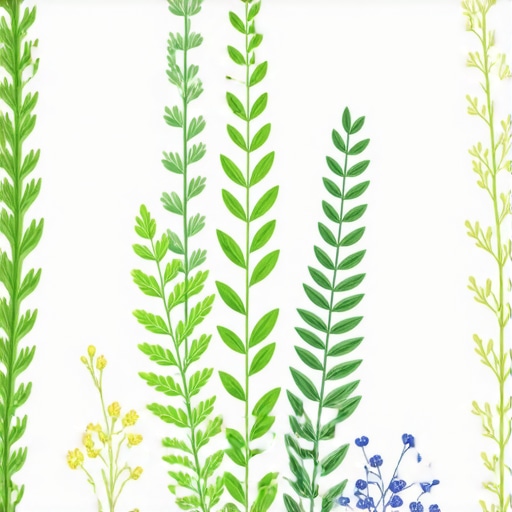
Selecting low-maintenance perennials for 2026 requires plants with climatic resilience and minimal pest pressure. Species like Helleborus, Carex, and Epimedium offer structural longevity and drought tolerance, making them superior to traditional, disease-prone options for sustainable garden design and long-term lawn care management. [IMAGE_PLACEHOLDER] Most homeowners make the mistake of buying what looks good at the big-box store in May. We look for nursery-grade stock with a visible root flare and no signs of root girdling. In the 2026 landscape, we are moving away from the water-hungry, slug-magnet hostas and toward species that can handle the erratic precipitation cycles we are seeing across the USDA zones. We need plants that function as biological filters and soil stabilizers.
1. Helleborus orientalis (Lenten Rose)
The Helleborus orientalis is a powerhouse of the shade garden, functioning as an evergreen anchor. It prefers a soil pH between 6.0 and 7.0. Its leather-like foliage is resistant to deer browsing and rabbit damage, which is critical in suburban landscaping. These plants are slow to establish but can live for decades if the crown is not buried too deep. We plant them 0.5 inches above the soil line to account for settling. They are not heavy feeders; a simple application of composted leaf mold in early spring provides enough nitrogen for the season.
2. Epimedium (Barrenwort)
Often called the ‘workhorse of the shade,’ Epimedium is the solution for dry shade where tree roots compete for every drop of water. They utilize a rhizomatous root system that binds the soil, preventing erosion on sloped sites. We specifically use the Epimedium x perralchicum for its extreme drought tolerance. It survives where other plants wither. Its low-profile growth habit makes it an excellent alternative to high-maintenance lawn care in shaded corners.
3. Carex pennsylvanica (Pennsylvania Sedge)
This is a native sedge that mimics the look of turf grass but thrives in low-light conditions. It only grows to 6 or 12 inches, meaning no mowing is required. In garden design, we use this as a living mulch. It covers the O-horizon of the soil, keeping the ground cool and suppressed of weeds. It is a critical component of a low-maintenance landscape because it eliminates the need for annual wood mulch applications that often lead to nitrogen drawdown.
4. Polygonatum biflorum (Solomon’s Seal)
For vertical interest, Polygonatum offers an arching architecture that reaches 2 to 3 feet. It is highly resistant to pests and thrives in heavy clay soil, provided the site is not stagnant. The rhizomes spread slowly, creating a colony that requires zero division or staking. It is the definition of a ‘plant it and forget it’ perennial for the 2026 shade garden.
5. Heuchera villosa ‘Autumn Bride’
Unlike the flashy, weak-growing Heuchera hybrids, the ‘Autumn Bride’ cultivar is a native selection with fuzzy, robust leaves. It handles the humidity of the mid-Atlantic and the heat of the South with equal ease. Its large leaves provide excellent soil coverage, and its late-season blooms support pollinators when other shade plants have finished. It requires well-drained soil; if it sits in water, the roots will rot. Use a modified gravel base if you are planting in areas with high hydrostatic pressure.
Professional Installation and Maintenance Standards
The installation process for perennials is where most DIY efforts fail. You must avoid mulch volcanoes. Mulch should never touch the stem of the plant. We use a maximum of 2 inches of triple-shredded hardwood mulch or, preferably, leaf mold. Any deeper and you restrict oxygen exchange to the roots. It will rot. Drip irrigation is the only way to water these beds. Overhead spray leads to fungal pathogens like powdery mildew and leaf spot. Set your timers for 4:00 AM to allow the foliage to dry quickly as the sun rises. Deep, infrequent watering forces the roots to chase the moisture down, creating a resilient plant that doesnt panicking during a three-day heatwave. Check the flare. If you cannot see where the roots meet the stem, you have planted it too deep.
“Planting trees and perennials too deep is a leading cause of plant mortality in managed landscapes. The root flare should always be visible at the soil surface.” – University of Maryland Extension
How much shade do perennials actually need?
Most shade perennials require 2 to 4 hours of dappled sunlight or reflected light. Deep shade, such as that found under a low-hanging evergreen canopy, may require more specialized plants like mosses or ferns. Always observe your light patterns at 10:00 AM, 2:00 PM, and 4:00 PM before final plant placement.
What is the best soil for a shade garden?
A sandy loam soil enriched with 5 to 10 percent organic matter is the gold standard. This allows for rapid drainage while retaining the cation exchange capacity necessary for nutrient storage. If you have heavy clay, do not add sand; you will create low-grade concrete. Instead, incorporate expanded shale or coarse compost to improve macro-pore space.
| Plant Species | Root Type | Water Needs | pH Preference |
|---|---|---|---|
| Helleborus | Fibrous | Moderate | 6.0 – 7.0 |
| Epimedium | Rhizomatous | Low (Dry Shade) | 5.5 – 6.5 |
| Carex | Stoloniferous | Low to Moderate | 5.0 – 7.0 |
| Polygonatum | Rhizomatous | Moderate | 6.0 – 7.0 |
| Heuchera | Fibrous/Woody | Moderate/Well-drained | 6.0 – 7.0 |
- Step 1: Conduct a professional soil test to check NPK and pH levels.
- Step 2: Correct the site grading to ensure 1 inch of drop per 8 feet of run.
- Step 3: Amend the soil with composted organic matter to a depth of 6 inches.
- Step 4: Install plants with the root flare slightly above the soil grade.
- Step 5: Apply 2 inches of mulch, keeping it away from the plant stems.
- Step 6: Install drip irrigation emitters at the base of each plant.

![4 Native Groundcovers for 2026 Clay Soil [No-Mow]](https://lawnmajesty.com/wp-content/uploads/2026/07/4-Native-Groundcovers-for-2026-Clay-Soil-No-Mow.jpeg)