The Best Plants for a Shady Front Porch
The Core Logic of Shade Landscaping
The best plants for a shady front porch are those that thrive in low-light conditions while tolerating the dry shade often found near house foundations. Successful garden design for porches requires an understanding of USDA Hardiness Zones, soil pH, and hydrostatic pressure to prevent plant failure and structural damage. Most homeowners fail because they ignore the soil biology.
The Apprentice Lesson: Why Prep Matters
I always drill into my new crew members: if you don’t fix the soil grading first, every plant you put in the ground is just expensive compost. I remember a job in North Carolina where a client spent four thousand dollars on premium nursery stock for a north-facing porch. They skipped the drainage work. Two weeks of heavy rain later, the root balls were sitting in a bathtub of anaerobic clay. Every single plant rotted. We had to excavate the entire bed, install a French drain, and start over. It was a costly lesson in physics. Soil is a living engine. If you choke the oxygen out of it with standing water, the engine seizes. Don’t skip the site prep. It is the only thing that matters long-term.
Understanding the Physics of Shade Microclimates
Selecting shade-tolerant plants requires identifying the specific type of shade your porch receives, ranging from dappled sunlight to deep shade. The angle of the sun changes seasonally, which impacts the photosynthetic active radiation (PAR) available to your landscaping. Porch eaves often create a rain shadow. This results in dry shade. It is a brutal environment for plants. You must compensate with proper irrigation.
“Most shade-loving plants actually require soil that is high in organic matter to mimic the forest floor where they evolved.” – Texas A&M AgriLife Extension
How much light do shade plants actually need?
To determine light requirements for a shady front porch, measure the hours of direct sunlight; most shade-loving species require less than three hours of filtered light daily. Full shade does not mean zero light. It means the absence of direct afternoon sun. If your porch faces north, you are dealing with consistent, low-energy light. Plants here need high chlorophyll efficiency. They have thinner leaves and larger surface areas. This allows them to capture every stray photon. It is a survival mechanism.
Top Plant Recommendations for Deep Shade
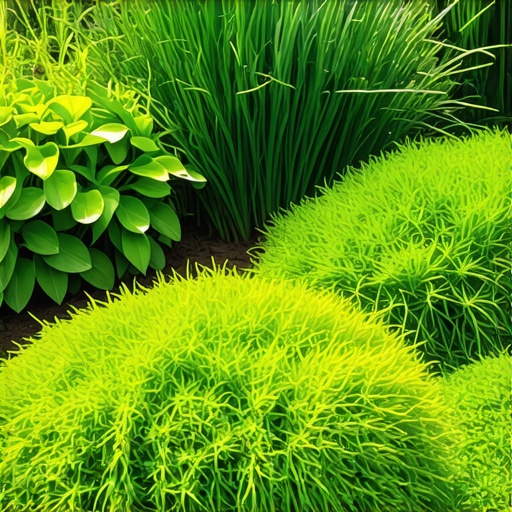
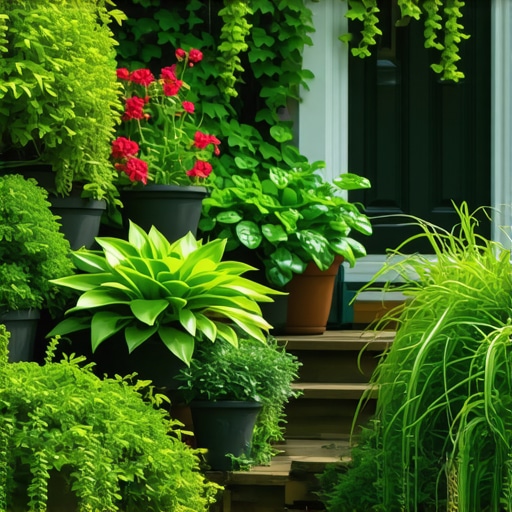
For garden design near a porch, prioritize perennials like Hosta, Helleborus, and Heuchera that offer varied foliar textures and cold hardiness. These plants are the workhorses of the industry. They handle the low light without getting leggy. Leggy plants are a sign of light starvation. Avoid them.
- Helleborus (Lenten Rose): These are indestructible. They bloom in late winter. They handle pH swings from 6.0 to 7.0 easily.
- Hostas: Available in hundreds of cultivars. Focus on the blue-tinted varieties. The wax coating helps them retain moisture in dry shade.
- Heuchera (Coral Bells): Excellent for color. They don’t need flowers to look good. Their root systems are shallow, so don’t bury the crown.
- Adiantum pedatum (Maidenhair Fern): For texture. They need consistent moisture. If the soil dries out, they crisp up immediately.
- Aspidistra elatior (Cast Iron Plant): It lives up to the name. It survives neglect and deep darkness.
[image_placeholder]
The Engineering of Porch Bed Soil
Proper soil engineering for landscaping involves balancing the cation exchange capacity (CEC) and ensuring the bulk density of the soil allows for root respiration. Near a porch, the soil is often compacted from construction. You need to break that up. Use a broadfork. Do not use a tiller; it destroys the soil structure. Add 3 inches of leaf mold or compost. This mimics the natural O-horizon of a forest. It holds moisture but allows air to reach the roots.
| Plant Species | Light Requirement | Moisture Level | Growth Habit |
|---|---|---|---|
| Hellebore | Deep Shade | Moderate | Clumping |
| Hosta (Blue) | Part Shade | High | Mounded |
| Japanese Forest Grass | Dappled Shade | High | Flowing |
| Cast Iron Plant | Full Shade | Low | Upright |
Addressing Drainage and Foundation Health
When landscaping near a front porch, you must maintain a positive grade to ensure stormwater runoff moves away from the foundation and hardscaping elements. If water pools near your plants, it will also seep into your crawlspace or basement. This leads to mold and structural failure. Landscaping is civil engineering with leaves. You must manage the water.
“A retaining wall doesn’t fail because of the stone; it fails because of the water trapped behind it.” – Hardscape Engineering Axiom
How do I stop my porch plants from rotting?
To prevent root rot in porch landscaping, incorporate perlite or coarse sand into the planting hole and ensure the root flare is slightly above the soil grade. Most hacks plant too deep. This smothers the plant. The junction where the roots meet the stem needs air. If you bury it, the bark stays wet. This invites Phytophthora. It is a death sentence. Keep the mulch back two inches from the stem. Mulch volcanoes are a sign of an amateur. Don’t be that guy.
Advanced Maintenance Protocols
A successful lawn care and garden design strategy for shade requires supplemental irrigation during the first 18 months and annual soil testing to monitor nutrient depletion. Shade plants grow slower. They don’t need heavy nitrogen. Too much nitrogen leads to soft, sappy growth. This attracts aphids. Use a slow-release, organic fertilizer in early spring. Check your emitters. Drip irrigation is superior to overhead spraying. It keeps the foliage dry. This prevents powdery mildew. Use a timer. Deep, infrequent watering is the goal. Force the roots to go deep. Shallow roots are weak roots.
What is the best mulch for shady areas?
The most effective mulch for shady porch beds is triple-shredded hardwood or pine needles, as these materials decompose into organic matter that improves soil tilth. Avoid dyed mulches. The dyes are often carbon-based and lock up nitrogen. They also look fake. Natural cedar or hemlock is better. It suppresses weeds without changing the soil chemistry drastically. Apply no more than three inches. More is not better. It is suffocating. Check the depth every spring.
Final Site Assessment
Before you commit to a planting plan, observe the porch for 24 hours. Watch how the shadows move. Check the gutters. If a gutter is leaking onto your shade bed, fix it first. Erosion will ruin your work. Landscaping is about control. You control the water, you control the soil, and the plants will follow. Do it right the first time. Your house depends on it. Cheap work is always more expensive in the long run. Professionalism is in the details.