![5 Non-Slip Stone Finishes for Safe 2026 Pool Decks [Tested]](https://lawnmajesty.com/wp-content/uploads/2026/02/5-Non-Slip-Stone-Finishes-for-Safe-2026-Pool-Decks-Tested.jpeg)
I remember the first summer I decided to renovate my backyard pool area. It started with enthusiasm, but one mishap changed everything—my partner slipping dangerously on a wet, smooth stone surface. That moment was a lightbulb: safety isn’t just an afterthought; it’s the foundation of a beautiful outdoor space. Over time, I learned that choosing the right stone finishes can make all the difference, especially in wet conditions. If you’ve ever worried about family members or guests slipping around your pool, you’re not alone—and you don’t have to accept slipping hazards as part of outdoor living.
Why Slip-Resistant Finishes Matter More Than Ever
In 2026, outdoor safety continues to be a top priority for homeowners. With more families investing in luxurious and functional pool decks, the importance of slip-resistant surfaces has skyrocketed. Did you know that according to the Consumer Product Safety Commission, thousands of backyard injuries involve slips and falls around pools each year? This makes choosing the right stone finish not just a matter of aesthetics but a crucial safety feature. I made the mistake early on of selecting a glossy, polished stone for my deck without considering how slick it would become when wet. That oversight could have been avoided with proper knowledge—something I wish I had known sooner.
Is All Textured Stone Actually Safer for Your Pool Deck?
Many folks assume that any textured stone will do. But in my experience, not all finishes are created equal in terms of slip resistance. I once installed a popular pebble finish that looked great but proved to be a nightmare during rainy days—too abrasive for bare feet and not as slip-proof as I hoped. The mistake taught me that the type of texture, the stone material, and even the installation process itself can influence safety and durability. For a deeper understanding of what makes a stone finish truly slip-resistant, you might find it helpful to check out [this article](https://lawnmajesty.com/stop-scorching-feet-4-cool-touch-pavers-for-2026-patios), which explores American safety standards for outdoor surfaces.
As I shifted my focus to safer stone options, I discovered that selecting the right finish isn’t just about avoiding slips. It’s also about ensuring the surface remains attractive and functional for years to come. Ready to explore the best finishes for your pool deck? We’re just getting started.
Identify Your Safety Priorities and Surface Needs
Begin by evaluating your pool area. Consider foot traffic, weather conditions, and whether bare feet will frequently contact the surface. I once faced this when renovating my deck; I assumed any textured stone would do. Testing different textures in small sections with water helped me see which was slip-resistant and comfortable. This initial test prevents costly mistakes later and ensures the finish meets safety standards.
Select Appropriate Materials for Enhanced Traction
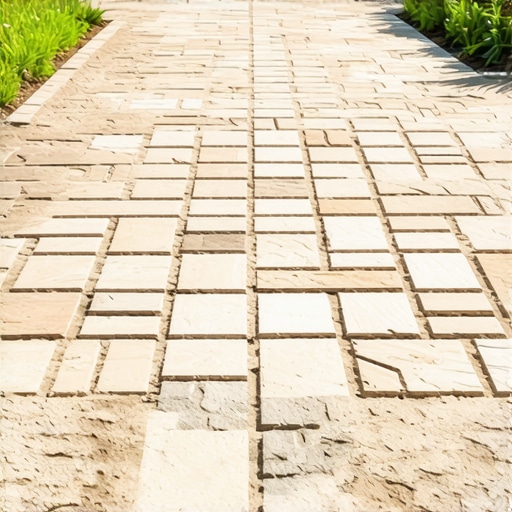
Material choice is key. Natural stones like sandstone or certo quartsite often have rougher textures that offer better grip. I recommend avoiding overly glossy or polished stones, as they become dangerously slick when wet. For my project, I chose textured limestone, which provided excellent slip resistance and matched my aesthetic goals. To optimize safety, ensure the stone’s porosity and surface porosity match your climate and usage frequency. Expert tips suggest consulting standard safety maps for outdoor surfaces, which you can find in guides like this resource.
Test and Document Your Choice
Before installation, perform water tests on sample stones. Pour water and walk barefoot to feel grip and slipperiness. I conducted this personally by spraying water on small slabs, recording my observations, which simplified the final decision process. Keep notes, noting the texture and grip, to create a reference for future maintenance or repairs.
Prepare Your Surface Properly
Good preparation maximizes stone longevity and safety. Remove existing debris, ensuring a stable underlying base. I used a compactor and leveled the ground meticulously, which prevented uneven settling and potential cracking. Use a screed to achieve a flat surface, avoiding dips that can collect water. A stable base is especially essential if you plan to integrate permeable pavers for drainage.
Apply the Stone Finish Correctly for Maximum Safety
Sealing the surface can preserve texture and prevent water from pooling, reducing slip risks. However, some sealers can make stones slick; opt for textured or matte finishes designed for outdoor safety. During my project, I selected a penetrating sealer that maintained traction while protecting against weathering. Always follow manufacturer instructions precisely. Applying too thick a layer can fill in texture and reduce slip resistance. Regular maintenance, like cleaning and resealing every few years, keeps the surface safe and attractive.
Incorporate Edging and Drainage Features
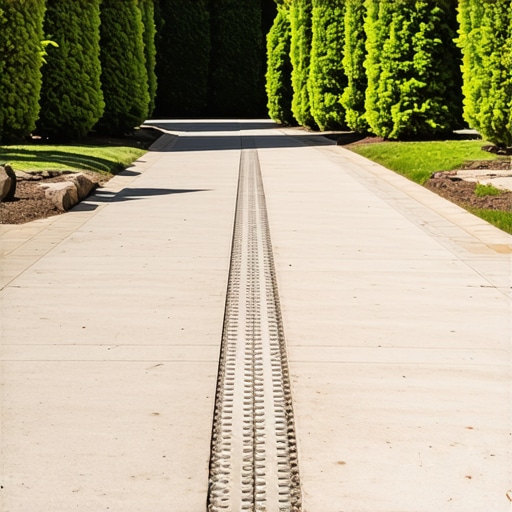
Finish your design with raised edges or anti-slip strips where necessary. Proper drainage is vital—water pooling increases slip danger. I installed subtle drainage channels and integrated gravel beds around the perimeter, ensuring water quickly diverted away. For more advanced drainage solutions, consider permeable pavers or dry wells designed specifically for pool decks. These steps collectively establish a safer, durable outdoor pool area.
Many homeowners and even seasoned landscapers fall prey to myths and oversimplified ideas when approaching garden design, hardscaping, and lawn care. One prevalent misconception is that bigger, more elaborate landscapes always yield better results. In reality, attempting to include every trendy element without considering your space’s specific conditions often leads to clutter and neglect. For example, overplanting dense shrubs can hinder air circulation, fostering disease—an issue overlooked by many beginners. A more nuanced approach involves understanding your climate, soil, and usage patterns to create a balanced design that ages well and requires manageable maintenance.
Another common trap is relying solely on aesthetic appeal, neglecting functionality and safety. For instance, choosing decorative paving stones without assessing their slip resistance can create hazards, especially around pools or walkways. Advanced practitioners recognize that integrating safety features like textured surfaces or permeable pavements not only enhances usability but also offers environmental benefits. These choices, backed by studies like the one from the University of California Cooperative Extension, demonstrate that safety and sustainability go hand in hand, and ignoring this can lead to costly accidents or repairs.
A critical nuance often missed is the importance of soil health in achieving lush, resilient lawns and gardens. Many assume that watering and fertilizing are enough, but quality soil foundation is fundamental. Without proper soil testing and amendments, plants struggle to thrive and become susceptible to pests and drought stress. Incorporating natural amendments and practicing minimal disturbance gardening can revolutionize your landscape’s vitality. For further insights on soil improvement tactics, check out expert guides on [modern lawn care tips](https://lawnmajesty.com/modern-lawn-care-tips-for-a-healthy-lush-garden-in-2025).
Have you ever fallen into this trap? Let me know in the comments. Let’s dig deeper into the subtleties that can elevate your outdoor space beyond common pitfalls.Maintaining the beauty and functionality of your outdoor spaces requires the right tools, a strategic approach, and knowledge of long-term care. As landscape trends continue to evolve, embracing specialized equipment and modern techniques will ensure your garden, hardscapes, and lawns remain vibrant and resilient. I personally rely on a combination of high-quality tools and software to streamline maintenance routines, saving time and preventing costly mistakes.
Investing in Precision Equipment for Lasting Results
Effective maintenance begins with selecting the right tools. For lawn care, I recommend a robotic mower like the Husqvarna Automower 450X, which I’ve found invaluable for delivering a consistent, manicured look while reducing manual effort. Its sensors adapt to terrain and obstacles, ensuring precise cutting and minimal turf damage, especially during hot, drought-prone summers. When trimming hedges or pruning trees, my go-to is the Felco F-2 bypass pruner. Its sharp, durable blades allow for clean cuts, promoting healthy growth and reducing disease risks. For hardscaping surfaces, a power washer with adjustable pressure settings, such as the Simpson MS60763 MegaShot, helps maintain pavers and stone finishes—removing grime without eroding textured finishes, like those discussed in various hardscaping guides.
How do I maintain my landscaping tools and equipment over time?
Proper upkeep extends your tools’ lifespan and ensures optimal performance. Regularly sharpening blades, cleaning filter baskets, and lubricating moving parts are essential routines. For electronic equipment like robotic mowers or irrigation controllers, I schedule annual check-ups and software updates. Using protective covers and storing equipment in dry, sheltered areas prevents rust and damage. Keeping detailed maintenance logs can preempt unexpected breakdowns and save money in the long run. As technology advances, integrating smart sensors and IoT-enabled devices can provide real-time monitoring—keeping your landscape in top shape with minimal manual oversight.
Choose Software That Simplifies Maintenance Tasks
Embracing digital solutions significantly streamlines landscape management. I leverage apps like Yardzen, which helps plan, schedule, and visualize seasonal tasks. For irrigation, my preferred platform is Rachio Smart Sprinkler Controller, which offers scheduling tailored to weather forecasts and moisture sensors—cutting water waste and promoting healthier lawns, as highlighted in recent lawn care tips for 2025. These tools automate routine tasks, reduce human error, and allow for adjustments based on seasonal variations and climate changes.
Advanced Strategies for Sustainable, Long-Term Beauty
To keep your landscape thriving over years, consider implementing soil testing and amendments based on findings from services like the University of California Cooperative Extension’s recommendations. Correcting pH imbalances, adding organic compost, or installing permeable pavements enhances drainage and fertility—essential for healthy roots and resilient plants. Regular aeration, overseeding, and mulching maintain soil vitality, preventing compaction and erosion. The trend toward sustainable practices isn’t just environmentally friendly; it ensures your garden looks lush and keeps maintenance costs manageable. For detailed guidance, explore resources like these to develop a comprehensive care plan.
Another tip is adopting passive irrigation methods, such as drip systems and moisture sensors, which I’ve integrated into my garden setup. These reduce overwatering—saving water and preventing fungal issues—while keeping plants adequately hydrated. Check out our comprehensive article on passive irrigation tricks for 2026 for more ideas. Experimenting with these advanced tools and techniques will empower you to keep your outdoor spaces beautiful, safe, and sustainable for years to come. Ready to elevate your landscape maintenance routine? I challenge you to try configuring your smart irrigation system to match weather patterns; you’ll notice immediate benefits in water savings and plant health.
What I Wish I Knew When I Started Digging In
One of the hardest lessons I learned was that not every stone or method will suit your specific outdoor space. Initially, I believed that flashy materials or trendiest designs would automatically elevate my yard, but I soon realized that understanding my soil, climate, and usage patterns is crucial. I used to overlook the importance of soil health until I saw how stubborn some plants were or how quickly certain hardscaping materials deteriorated. That lightbulb moment shifted my entire approach, emphasizing tailored strategies over generic solutions.
Another surprising insight was the actual effort needed for maintenance. I underestimated how regular inspections, sealing, or adjustments could prevent major issues down the line—like cracks or drainage failures. Embracing a proactive mindset turned my outdoor space from a chore into a source of pride.
Tools That Made All the Difference1. A high-quality soil test kit—I trusted the recommendations from this resource to guide my amendments, leading to healthier lawns and gardens.
2. A versatile power washer, like the Simpson MegaShot, which saved me hours cleaning textured stones and pavers, keeping everything looking fresh.
3. Smart irrigation controllers such as Rachio—these automation tools allowed me to optimize water use, especially during droughts, aligning with expert watering tips for 2026.
4. Durable pruning tools—Felco F-2 pruners that made trimming safer and more precise, encouraging healthier plant growth.
These tools transformed my maintenance routine from reactive repairs into strategic preservation, proving that investing in quality pays off in the long run.
Step Into a Future Where Your Garden Truly Reflects Your Vision
Making your outdoor space safe, beautiful, and sustainable doesn’t happen overnight. Every small choice—whether in selecting slip-resistant pavers, improving drainage, or adopting green practices—builds toward a landscape that’s resilient and inspiring. The key is ongoing learning and adapting, just like mastering a new craft. I invite you to experiment boldly with new materials and techniques, leveraging the wealth of resources now available. Are you ready to turn your yard into a sanctuary that combines safety, style, and sustainability? Share your biggest challenge or breakthrough in the comments—I’d love to hear how your landscape evolution is going.
![Why Your 2026 Patio Foundation Is Cracking [and the Fix]](https://lawnmajesty.com/wp-content/uploads/2026/01/Why-Your-2026-Patio-Foundation-Is-Cracking-and-the-Fix.jpeg)