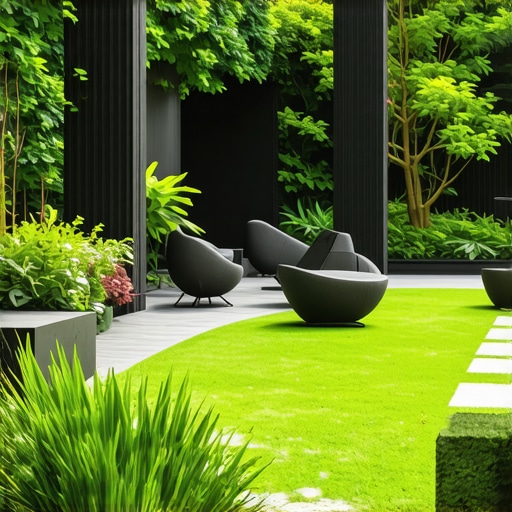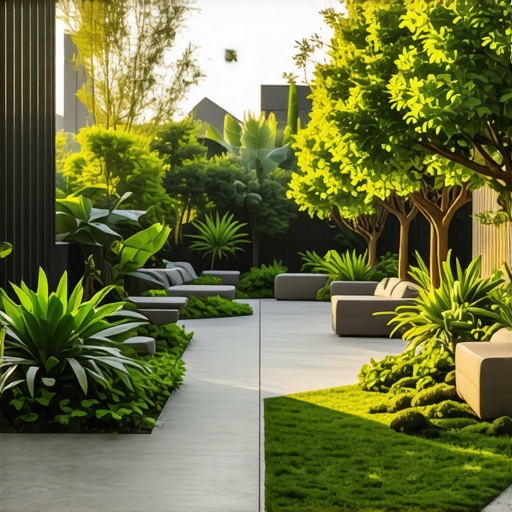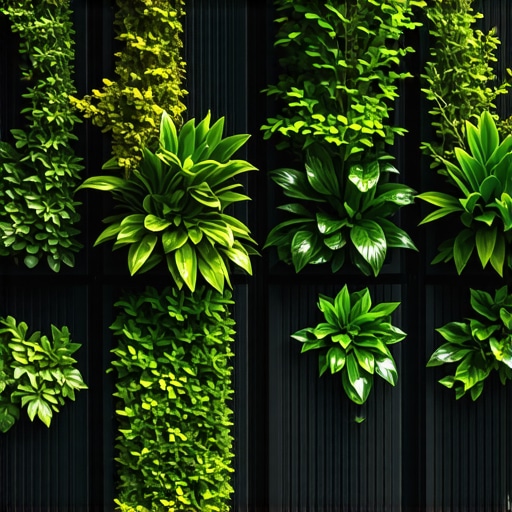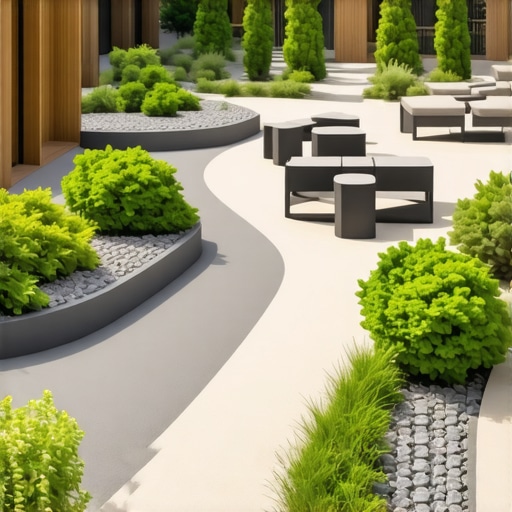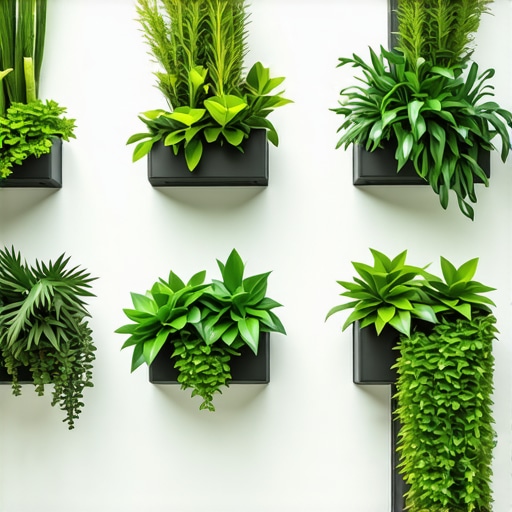
It was late afternoon, the sun casting long shadows over my cramped patio, when I finally faced the reality I’d been avoiding. My once spacious outdoor area was turning into a chaotic jungle of pots, supplies, and half-finished designs. I remember thinking, “There has to be a smarter way.” That lightbulb moment led me down a path to discovering innovative vertical garden layouts that save space and elevate outdoor aesthetics. If you’ve ever felt overwhelmed trying to fit lush greenery into a limited patio, you’re not alone. Today, I’m going to share how you can optimize your outdoor space with six dynamic vertical garden layouts tailored for 2026 patios, transforming chaos into a serene sanctuary.
Why Vertical Gardens Are a Game-Changer for Compact Patios
Over the years, I’ve learned that the key to a beautiful, functional patio isn’t just about filling every inch with plants or hardscaping. It’s about smart design choices—especially when space is tight. Vertical gardens are revolutionizing how we approach outdoor design, offering an innovative solution that combines style, practicality, and environmental benefits. According to recent studies, vertical gardens can improve air quality and reduce urban heat, making your outdoor space not just prettier but healthier. Yet, early on, I made a common mistake: I tried to replicate lush garden landscapes without considering how much space they would consume. The result? A cluttered, unmanageable yard that defeated its own purpose. Understanding this pitfall helped me shift toward designs that maximize vertical space without sacrificing usability. Ready to find out how to do the same? Let’s dive into the six layouts that can reimagine your patio in 2026, making it both beautiful and functional.
Is Creating a Vertical Garden Actually Worth the Hype?
Many skeptics wonder if vertical gardens are just a trendy gimmick or if they truly deliver the promised space efficiency. I was one of those doubters initially—thinking, “Will this really work in my small patio?” The truth is, I underestimated their potential until I tried a simple wall-mounted design that doubled my planting space. Remember, the biggest mistake I made at first was ignoring the importance of proper anchoring and drainage, which led to plant failures and structural issues. Learning from that, I now prioritize well-engineered, durable solutions backed by expert advice. If you’re questioning whether these layouts could make a real difference for your outdoor space, I encourage you to explore options that are proven to work—like some of the ideas shared in trusted resources such as [expert landscaping tips](https://lawnmajesty.com/expert-landscaping-tips-for-stunning-garden-design-in-2025). Preparing your space with the right knowledge is the first step toward creating a vertical garden that lasts.
Plan Your Vertical Garden Zones
Start by mapping your patio. Use masking tape to outline areas for planting, considering sunlight, wind exposure, and access. I once spent an afternoon assigning spots for herbs near the kitchen door, which made harvesting effortless and kept my design organized. This step prevents the common mistake of overcrowding.
Choose the Right Structure for Your Needs
Decide between wall-mounted panels, freestanding towers, or hanging pockets based on available space and maintenance preferences. During my project, I opted for modular wall panels, which I assembled from reclaimed wood for a rustic look. Remember, sturdiness is key—secure structures prevent plants from crashing down and causing chaos. Check out hardscaping ideas to see options that blend aesthetics with strength.
Select Suitable Plants for Vertical Growth
Pick plants that thrive vertically—vining varieties like jasmine or clematis, or compact greens such as lettuces and spinach. I once tried growing tomatoes in a hanging pocket; they outgrew the space quickly, so I learned to match plant size to container size. Use lightweight containers with good drainage; I used recycled plastic bottles cut in half for a budget-friendly, eco-conscious solution.
Optimize Soil and Watering Systems
Use quality soil with mixed compost and perlite for aeration. During my first setup, I underestimated watering needs, resulting in wilted plants. Incorporate drip irrigation or self-watering planters—these save time and prevent overwatering, which is a common mistake. For inspiration, see garden design strategies that emphasize water efficiency.
Secure Your Garden for Longevity
Anchor structures to withstand wind. I installed heavy-duty brackets and anchored with concrete drops, which kept everything stable through storms. Regularly check for loose fittings or decay, especially if using reclaimed materials. This proactive approach sidesteps the chaos of structural failure, giving your vertical garden a lasting impact.
Incorporate Decorative and Functional Elements
Add lighting, decorative panels, or shelves to enhance aesthetics and usability. I once installed solar-powered fairy lights along my trellis, creating a magical atmosphere at night. Such details turn your vertical garden from functional to fabulous, elevating your entire outdoor space. For more ideas, explore hardscaping trends that integrate lighting and decorative features seamlessly.
While it’s common to follow basic lawn and garden tips, many enthusiasts unknowingly fall into nuanced traps that undermine their efforts. One widespread myth is that more fertilizer always equals a lusher lawn. In reality, over-fertilizing can harm soil health and lead to excessive growth that weakens grass roots, making your lawn more susceptible to drought and pests. Experts emphasize that balanced nutrition tailored to your specific soil conditions yields better, long-term results. Regular soil testing, as highlighted in [garden design tips](https://lawnmajesty.com/expert-landscaping-tips-for-stunning-garden-design-in-2025), helps you avoid this mistake. Another misconception involves hardscaping materials; many believe that permeable pavers are only for aesthetics. In fact, they play a crucial role in effective drainage, preventing water pooling around structures and reducing erosion, a point reinforced by recent studies on sustainable outdoor surfaces.
A common error in landscaping involves neglecting microclimates within your yard. For instance, planting a sensitive species in a shaded, wind-exposed corner can lead to poor growth or plant failure. Recognizing these subtle environmental factors allows for smarter plant placement, enhancing survival and visual appeal. For advanced gardeners, understanding soil microbiome interactions offers a further edge. Rather than solely focusing on visible features, investing in soil health through compost and mycorrhizal inoculants can drastically improve plant resilience and growth—something often overlooked by beginners.
Have you ever fallen into this trap? Let me know in the comments.
What Are the Consequences of Ignoring Subtle Garden Ecosystem Dynamics?
Ignoring the intricate interactions in your garden’s ecosystem can trigger cascading problems, from pest outbreaks to soil degradation. For example, removing ground cover without considering its role in soil moisture regulation and habitat for beneficial insects can backfire. This oversight often results in increased water needs, weed invasion, or pest issues that are costly and time-consuming to fix. Studies in ecological landscaping suggest that maintaining native plants and layered planting strategies support a balanced ecosystem, reducing reliance on chemical interventions. By embracing this nuanced approach, gardeners can cultivate vibrant, sustainable outdoor spaces that thrive with minimal intervention—saving time and resources.
To explore more sophisticated landscaping strategies, check out [hardscape trends](https://lawnmajesty.com/hardscaping-trends-2025-innovative-ideas-for-outdoor-spaces-2), which emphasize ecological integration along with aesthetic appeal.
Maintaining a lush, healthy lawn over the long term requires the right tools coupled with diligent upkeep. My personal approach combines high-quality equipment with targeted methods to ensure sustainability and vibrant growth. One absolute necessity is a robust electric string trimmer, like the Stihl FS 91 R, which I prefer for its lightweight design and powerful cut—perfect for trimming edges without fatigue. For mowing, I rely on a robot mower equipped with smart boundary wires, which I find minimizes time spent on routine mowing and guarantees a uniformly cut lawn. Its programmable features allow me to set mowing schedules, reducing the chances of neglecting my yard.
To keep my garden beds thriving, I use a digital soil tester such as the Bluelab Soil pH Pen. This device provides immediate feedback on pH and moisture levels, helping me adjust watering and fertilization precisely—a practice outlined in the article on garden design tips. Consistent soil monitoring prevents nutrient deficiencies or excesses, which can lead to long-term damage.
When it comes to irrigation, I swear by a smart drip irrigation system that integrates with my weather data app. This setup ensures my plants get exactly the water they need, avoiding waste and promoting deep root growth. Future trends in lawn care suggest that intelligent watering systems will become standard, as they significantly increase efficiency and support sustainable practices. According to expert landscape architect Lisa Owings, adopting such technologies can reduce water use by up to 30% while improving plant health.
To safeguard my investment, I regularly inspect and replace worn-out parts of my equipment—especially the cutting blades and irrigation filters. Using professional-grade blades ensures clean cuts that reduce plant stress and pest susceptibility. Scheduling maintenance before the peak growing season sets a strong foundation for sustained success.
How do I maintain a lawn over time?
The secret lies in consistency and adopting a holistic approach—pairing the right tools with proper techniques. I suggest creating a seasonal maintenance calendar that includes aeration, overseeding, fertilization, and pest checks. Using a soil test annually helps tailor these practices to your yard’s specific needs, as emphasized in expert landscaping resources. With regular attention, your lawn will not only survive but thrive through changing seasons, making your outdoor space a true sanctuary. To take your garden to the next level, consider integrating innovative hardscaping ideas that complement your lush landscape, as discussed in this article. Try one advanced maintenance tip today—like upgrading to a smart irrigation system—and watch your lawn flourish in 2026.
What I Wish I Knew Before Starting a Vertical Garden
One of the most eye-opening lessons I learned was the importance of evaluating the microclimates in my patio. I once planted delicate ferns in a shaded corner only to find they struggled to thrive. Recognizing the subtle environmental factors within your outdoor space can save you time, effort, and frustration.
The Hidden Impact of Material Choices on Garden Longevity
Choosing the right structure is more than aesthetics—it’s about durability. I underestimated how wind and weather could compromise my reclaimed wood panels. Investing in sturdy, weather-resistant materials ensures your vertical garden remains pristine for years, making this a crucial consideration often overlooked.
Balancing Beauty and Sustainability in Garden Design
Early on, I chased vibrant blooms without thinking about sustainability. Incorporating native plants and eco-friendly materials not only supports local ecosystems but also reduces maintenance. This balance between appearance and environmental responsibility is a lesson that continues to influence my design choices.
The Power of Soil and Water Management
Overwatering was my initial mistake—plants wilted, and resources went to waste. Integrating self-watering planters and utilizing soil testing devices changed everything. Precision in watering and soil health is the foundation of a resilient, thriving vertical garden.
Curated Resources to Elevate Your Garden Game
When I started, I relied heavily on expert landscaping tips and trusted hardscaping idea sources. These resources provided real-world insights that transformed my approach from trial-and-error to strategic planning. For anyone serious about mastering garden design, these tools are invaluable.
Fostering Your Outdoor Sanctuary Starts Today
Embarking on your vertical garden journey now can revolutionize your outdoor space. Dive into innovative layouts, choose resilient materials, and embrace sustainable practices. Your patio isn’t just an extension of your home—it’s a reflection of your care and creativity. Take the first step today and watch it flourish into a personal oasis.
What’s the biggest challenge you’ve faced when trying to optimize small outdoor spaces? Share your experience below and let’s grow together.