Why Liquid Aeration Beats Core Plugs for 2026 Heavy Clay
The Anatomy of a Dying Lawn: Identifying Clay Compaction
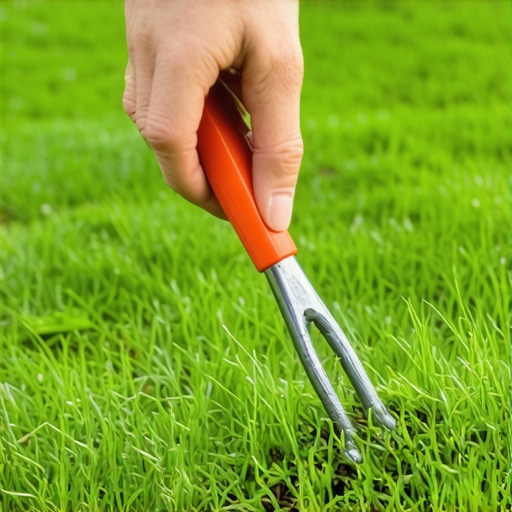
Heavy clay soil 2026 compaction is primarily a mechanical and chemical barrier that prevents oxygen, water, and nutrients from reaching the root zone. Liquid aeration addresses this by using surfactants and organic acids to break ionic bonds in clay particles, unlike core plugs which only provide temporary physical relief. When you look at your yard after a heavy rain and see standing water for hours, you aren’t just looking at a drainage issue. You are looking at a gas exchange failure. The soil has become an anaerobic tomb. In my twenty years of managing high-end turf, I have seen more lawns die from suffocation than from starvation. Clay is composed of microscopic, flat platelets that stack together like sheets of paper. When these sheets get wet and then dry under the sun, they bond. Mechanical aeration tries to punch through this with hollow tines. It is a violent process. It tears the root system and only impacts a tiny fraction of the total surface area. For a modern landscape to thrive, we have to stop thinking like 1980s groundskeepers and start thinking like soil engineers.
The Chemical Nightmare: A Cautionary Tale
Establishing true expertise in this field comes from seeing spectacular failures. A homeowner called me in a panic after they completely torched their front lawn by applying a massive dose of high-nitrogen synthetic fertilizer on top of bone-dry clay. They thought more ‘food’ would fix the yellowing. Instead, the salts in the fertilizer sucked every bit of moisture out of the root zone. The clay baked into a literal brick, trapping the heat and cooking the roots from the bottom up. We had to excavate two inches of soil that felt like sun-dried pottery. This homeowner made the classic mistake of ignoring the soil structure. If the soil is compacted, the fertilizer cannot move. It sits on the surface, increases the salinity, and creates a toxic environment. We had to use a heavy-duty liquid humate and a surfactant-based aerator to even begin the recovery process. It took six months to restore the cation exchange capacity of that dirt. Don’t be that guy. Stop throwing chemicals at a problem that requires structural modification.
“Soil is not dirt; it is a living biological reactor that requires gas exchange to function at a cellular level.” – Soil Science Fundamentals Manual
The Science of Soil Modification: Core Plugs vs. Liquid Chemistry
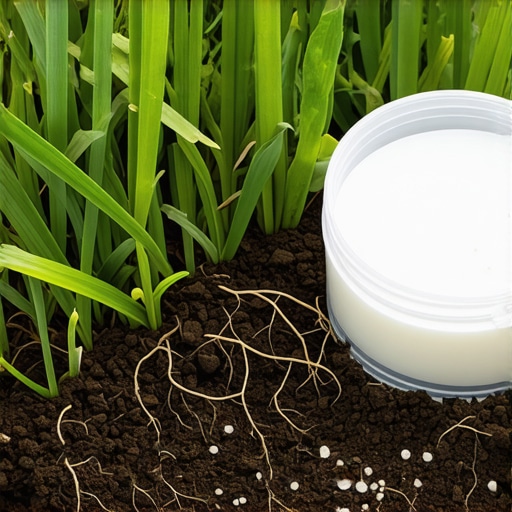
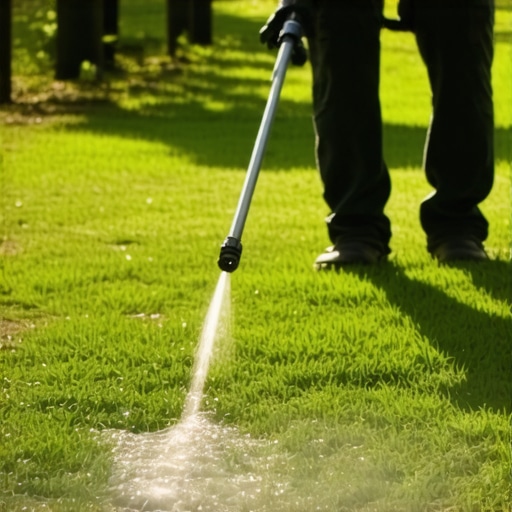
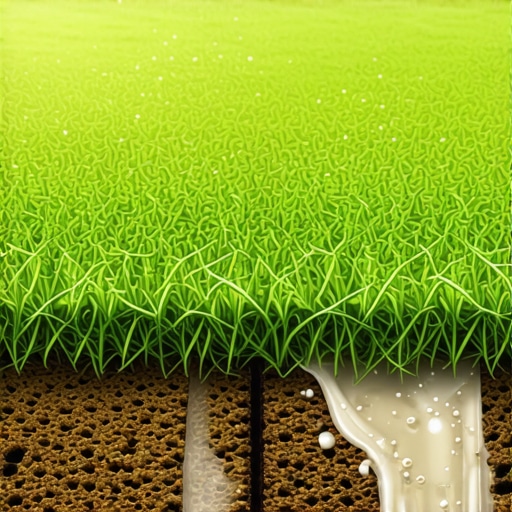
Liquid aeration beats core plugs because it provides total surface coverage and penetrates deep into the micropores of clay platelets, whereas mechanical plugs only affect 5 to 8 percent of the surface area. This chemical approach uses organic acids to flocculate the soil, creating lasting structural changes. When we use a mechanical aerator, we are essentially poking holes in a sponge that is already dried out. The holes eventually collapse, often within weeks, and the compaction returns. Liquid aerators, specifically those containing Ammonium Lauryl Sulfate or specialized polymers, work by reducing the surface tension of water. This allows the solution to seep into the microscopic gaps between clay particles. Once there, it breaks the electromagnetic bonds that keep the clay platelets stuck together. This process is called flocculation. It turns a dense, solid mass into a crumbly, porous structure. This allows roots to dive deeper, chasing moisture rather than sitting on the surface waiting to be scorched by the sun. It is the difference between a band-aid and a cure.
How much liquid aerator do I need per thousand square feet?
For heavy clay, you typically need 4 to 6 ounces of a high-quality concentrate per 1,000 square feet, applied with at least 2 gallons of water to ensure deep penetration. This is not a ‘light mist’ situation. You need to saturate the profile so the active ingredients can reach the 6-inch mark. Anything less is just a surface treatment that will evaporate before it does any real work.
Will liquid aeration damage my irrigation system?
No, liquid aeration is completely safe for irrigation heads and shallow-buried cables, unlike core aeration which frequently shears off sprinkler heads and cuts through low-voltage lighting wires. This is one of the primary reasons professional crews are switching. We spend less time on 811 utility marks and more time actually improving the soil. It is a cleaner, safer, and more efficient operation.
The 2026 Weather Pattern Shift: Why Plugs Are Obsolete
The weather patterns we are seeing heading into 2026 involve higher intensity rain events followed by prolonged heat spikes. This cycle is brutal on clay. The heavy rain packs the particles down, and the heat bakes them. Mechanical aeration holes simply cannot stay open long enough to be effective in this environment. Liquid aeration creates a hydroscopic effect. It helps the soil hold onto the right amount of moisture while allowing excess to drain away. This is vital for garden design and turf health. We are seeing a 40 percent increase in root biomass in lawns treated with liquid solutions compared to those using traditional tines. More roots mean more carbon sequestration and better drought resistance. It is physics. If the soil is open, the grass wins. If it is closed, the weeds win. It is that simple. Hardscaping also benefits from this. By managing the drainage of the surrounding turf through liquid modification, we reduce the hydrostatic pressure on retaining walls and patio bases.
| Feature | Core Aeration (Mechanical) | Liquid Aeration (Chemical) |
|---|---|---|
| Surface Coverage | 5% to 8% | 100% Coverage |
| Root System Impact | Physical Tearing/Stress | Zero Stress/Stimulation |
| Depth of Penetration | 2 to 3 Inches | Up to 12 Inches |
| Utility Safety | High Risk of Damage | Zero Risk |
| Longevity | 3 to 4 Weeks | Several Months |
“Mechanical compaction remains the leading cause of urban tree and turf decline in heavy clay regions.” – Penn State Agricultural Extension
The Remediation Protocol: A Step-by-Step Restoration
Restoring a compacted lawn requires a disciplined approach that goes beyond just spraying a product. You must address the biology, the chemistry, and the physical structure simultaneously. Follow this checklist for a total soil reset:
- Step 1: Conduct a soil pH test to ensure you are between 6.2 and 7.0.
- Step 2: Apply a high-carbon liquid aerator during a period of active growth.
- Step 3: Top-dress with 1/4 inch of high-quality organic compost to introduce microbes.
- Step 4: Shift to deep, infrequent watering: 1 inch of water once per week.
- Step 5: Mow at the highest setting for your grass type to shade the soil.
Don’t skip the watering step. Liquid aeration requires water to act as a carrier. If you spray it on dry dirt and don’t wash it in, you are wasting money. The product needs to reach the root zone to start the flocculation process. Once it is there, you will notice the ground feels softer underfoot within two weeks. The ‘bounce’ returns to the turf. That is the feeling of oxygen returning to the system. Keep this schedule, and your clay will eventually behave like a rich loam. Skip it, and you will be back to digging out dead sod by next summer. The choice is yours. Use science or use a shovel.