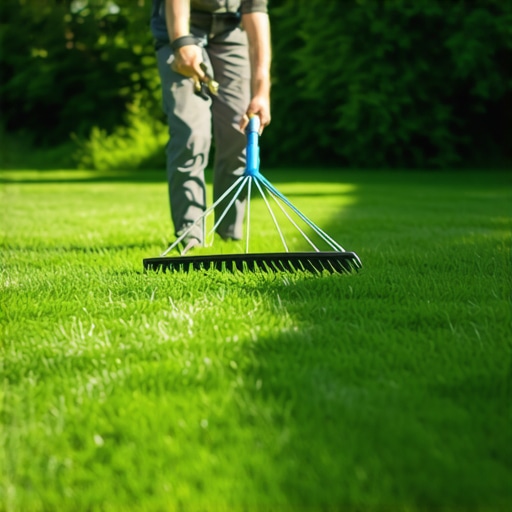
How to Fix Patchy Spots in Your Lawn This Weekend
The ground is spongy where it should be firm, and the turf has turned a sickly, brittle straw color that crumbles under your boot. This is not just a cosmetic flaw; it is a biological failure of the managed ecosystem. When you see patchy spots, you are looking at the autopsy of a failed sward. Most homeowners reach for a bag of cheap contractor mix and a garden hose, but without understanding the soil physics and chemistry beneath the surface, you are just throwing money into a compost pile. You need to stop thinking like a weekend warrior and start thinking like an agronomist.
Diagnosing the Death of Your Sward
To fix patchy spots in your lawn, you must first identify if the cause is soil compaction, fungal pathogens, or nutrient toxicity, rather than simply throwing more seed at a dead environment that cannot support root respiration. A homeowner called me in a panic last July after they completely torched their front lawn. They had applied a high-nitrogen ‘weed and feed’ during a heat wave, effectively cauterizing the grass crowns and spiking the soil salinity to levels that would make a cactus struggle. The turf was beyond saving because they ignored the environmental conditions and the chemical reality of their soil. Don’t be that guy. Inspect the dead zone. If the soil is hard as concrete, you have a compaction issue. If the grass pulls up like a carpet, you have grubs. If there is a white, powdery residue or slimy black spots, you are fighting a fungal infection like Rhizoctonia solani. Focus on the cause, not the symptom. It will rot if you don’t fix the drainage. Don’t skip the diagnosis.
“A lawn is not a static object; it is a complex biological community where the soil’s physical properties dictate the health of the canopy.” – Penn State Center for Turfgrass Science
The Science of Soil Preparation
Successful turfgrass establishment requires a cation exchange capacity (CEC) that allows for nutrient uptake and a bulk density low enough for root penetration. If your soil is heavy clay, your pore space is collapsed. This prevents oxygen from reaching the roots, leading to anaerobic conditions. You must physically alter the soil structure before any seed hits the ground. This means core aeration, not spike aeration. Spike aerators actually increase compaction by pushing soil outward. Core aerators remove a plug, allowing the surrounding soil to expand and breathe. You want at least 20 to 40 holes per square foot. It is laborious. It is necessary.
How deep should I core aerate my lawn?
For effective soil de-compaction, you must achieve a depth of 3 to 4 inches to bypass the thatch layer and reach the primary root zone where gas exchange occurs. Anything shallower is just surface scratching. Check your depth with a probe. If the tines aren’t pulling full cores, your soil is too dry. Water it 24 hours before you start. Precision matters.
| Material Type | Benefit | Best Use Case |
|---|---|---|
| Screened Compost | Introduces Microbes | Clay-heavy soils lacking organic matter |
| Masonry Sand | Improves Drainage | Low spots prone to standing water |
| Calcined Clay | Pore Space Retention | High-traffic areas with heavy compaction |
| Peat Moss | Moisture Retention | Sandy soils that dry out too fast |
The Remediation Action Plan
Once the soil is prepped, you need to select a cultivar that matches your micro-climate. Don’t buy the generic bag at the big-box store. Those bags are often filled with high percentages of weed seed and ‘variety not stated’ (VNS) filler. Go to a professional turf supply house. Look for A-LIST (Alliance for Low Input Sustainable Turf) certified seeds. Whether you are using Kentucky Bluegrass, Tall Fescue, or Perennial Ryegrass, the application must be uniform. Seed-to-soil contact is the only metric that matters here. If the seed sits on top of a dead grass blade, it will desiccate and die. Use a drop spreader for patches to ensure the density is exactly 6 to 8 seeds per square inch. Don’t over-seed; overcrowding leads to damping-off disease. It’s a balance. Follow this checklist for the weekend:
- Step 1: Scalp the dead area to the soil level and remove all debris.
- Step 2: Core aerate the patch and the surrounding 2-foot radius.
- Step 3: Apply 1/4 inch of high-quality screened compost to the area.
- Step 4: Broadcast the site-specific seed cultivar at the recommended rate.
- Step 5: Lightly rake the seed into the compost; do not bury it deeper than 1/8 inch.
- Step 6: Roll the area with a water-filled roller to ensure contact.
- Step 7: Apply a starter fertilizer with a high phosphorus ratio (e.g., 10-25-10).
“Effective overseeding requires 100% seed-to-soil contact; simply broadcasting seed over thatch is a recipe for desiccation and failure.” – Texas A&M Agrilife Extension
What is the best NPK ratio for new grass seed?
New grass seedlings require a starter fertilizer with a high phosphorus (P) value, typically a ratio like 10-25-10, to stimulate rapid rhizome development and root anchoring. High nitrogen at this stage can cause top-growth to outpace the root system’s ability to support it. Be careful with runoff. Keep it on the dirt, not the driveway.
The Critical First Twenty-One Days
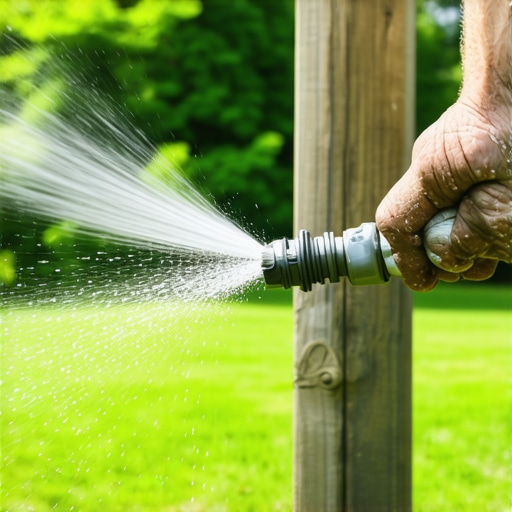
Your job isn’t done when the seed is down. The next three weeks are the ‘intensive care’ phase. The most common mistake is watering. Most people water too much or too little. You aren’t watering the soil; you are keeping the seed coat moist. This means light misting three times a day—early morning, noon, and late afternoon. Do not saturate the ground. Saturation leads to Pythium blight, which will melt your new seedlings in 48 hours. Once the grass reaches 2 inches, you shift. Stop the misting. Transition to deep, infrequent watering. This forces the roots to dive deep into the soil profile to find moisture. While the internet tells you to water every day, turf grass actually needs deep, infrequent watering—exactly 1 inch per week—to force roots to chase the water down. This builds drought resistance. Shallow watering builds weak grass. Weak grass creates more patches next year. It is a cycle you must break. [image placeholder]
Long-Term Maintenance and Structural Integrity
If your patches keep returning in the same spot, you likely have a hardscaping or drainage issue. Check the soil grading. If water pools there after a rain, the roots are suffocating. You might need to install a French drain or a dry creek bed to move that water away. Landscaping is applied engineering. You cannot fight gravity and win. Keep your mower blades sharp. Dull blades tear the grass, leaving an open wound for pathogens to enter. Set your height to 3.5 or 4 inches. Tall grass shades the soil, reducing evaporation and preventing weed seeds from germinating. It is simple biology. Manage the height, manage the water, and manage the nutrients. If you do that, you won’t be fixing patches next season. You will be maintaining a professional-grade sward. Stay disciplined. The dirt doesn’t lie.