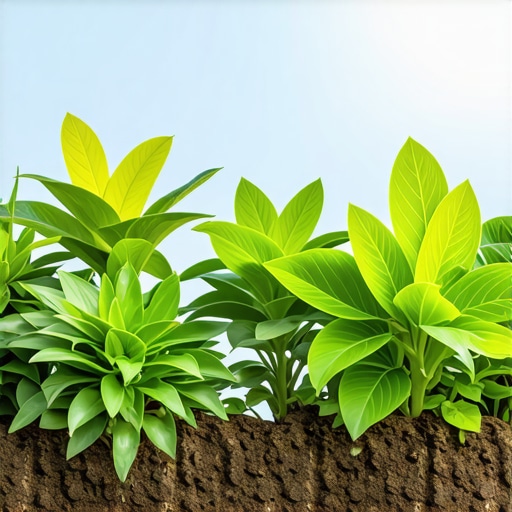
![Stop Winter Salt Damage on 2026 Roadside Hedges [Fix]](https://lawnmajesty.com/wp-content/uploads/2026/05/Stop-Winter-Salt-Damage-on-2026-Roadside-Hedges-Fix.jpeg)
Stop Winter Salt Damage on 2026 Roadside Hedges [Fix]
The Forensic Autopsy: Why Roadside Hedges Turn into Matchsticks by March
To stop winter salt damage on roadside hedges, you must address both the foliar salt spray that desiccates evergreen needles and the soil-borne sodium ions that collapse soil structure and prevent water uptake. Success requires a combination of physical 10-ounce burlap barriers, post-winter soil flushing with at least 1 inch of water, and chemical displacement using calcium sulfate (gypsum) to restore the cation exchange capacity of the soil. Don’t wait for the browning to start; by then, the vascular system is already compromised.
If your hedges look like they’ve been hit with a blowtorch by mid-March, you aren’t looking at ‘winter kill.’ You’re looking at a chemical assault. When the DOT brine trucks roll through at 3 AM, they aren’t just clearing ice; they are atomizing a corrosive solution of Sodium Chloride (NaCl) and Magnesium Chloride (MgCl2) that settles directly onto your plant tissue. This salt is extremely hygroscopic, meaning it literally sucks the moisture out of the plant cells, even when the ground is frozen. I’ve seen $20,000 Boxwood installs turn into expensive kindling because the contractor didn’t account for the micro-climate created by the local snowplow route. It’s a preventable tragedy that happens every single year.
A homeowner called me in a panic last spring after they completely torched their front landscape by applying a high-nitrogen ‘quick-green’ fertilizer in February, thinking it would help the hedges recover from a rough winter. They didn’t realize the soil was already saturated with roadside salt. Adding more salt-based synthetic fertilizer to salt-damaged soil is like giving a dehydrated man a glass of seawater. By the time I arrived, the soil pH had spiked, and the soil structure had completely dispersed into a hard, anaerobic crust. We had to excavate 400 linear feet of Privet because the root systems had basically undergone osmotic mummification. Don’t be that guy.
The Chemistry of Osmotic Stress: How Salt Murders Your Garden Design
Salt damage occurs when high concentrations of sodium in the soil create a lower water potential outside the root than inside, effectively pulling water out of the plant and causing physiological drought. This process, known as osmotic stress, prevents the plant from taking up water even if the soil is soaking wet, leading to the classic ‘burnt’ appearance on the leaf margins. High sodium levels also lead to soil dispersion, where soil particles lose their ability to clump, destroying the pore space required for oxygen and drainage.
“Sodium ions displace calcium and magnesium on the soil exchange complex, leading to a loss of soil structure (aggregation) and reduced hydraulic conductivity.” – Penn State Extension: Managing Salt-Affected Soils
When salt spray hits the foliage of a Yew or a Juniper, it enters through the stomata and accumulates to toxic levels. This isn’t just a surface issue; it’s a cellular breakdown. The chloride ions interfere with photosynthesis, while the sodium ions disrupt the ionic balance required for basic metabolic functions. You’ll see the damage first on the side of the hedge facing the road. If you see white crusting on the bark, the damage is already severe. You need to act before the first frost of 2026 to prevent this cycle of dehydration.
[image-1]
The Fix: Chemical Displacement and Physical Barriers
Fixing salt-damaged soil requires the application of pelletized gypsum (calcium sulfate) at a rate of 40 pounds per 1,000 square feet to displace the sodium ions from the soil particles. Once the calcium in the gypsum kicks the sodium off the soil’s cation exchange sites, the sodium becomes water-soluble again and can be leached out of the root zone with heavy irrigation. This must be done as soon as the ground thaws in the spring to prevent the sodium from permanently damaging the soil structure.
How much water does it take to flush salt from soil?
To effectively leach salt from the top 6 inches of the root zone, you must apply at least 1 inch of water in a single application. This isn’t a light sprinkle; you need a deep soak that forces the dissolved sodium down past the active root flare. In heavy clay soils common in roadside embankments, you may need to repeat this process three times over a two-week period. Use a soil moisture probe to ensure the water is actually penetrating the top 12 inches of the profile. Anything less is just moving the salt around the surface.
Is gypsum the best way to fix salt damage?
Yes, gypsum is the industry standard because it provides calcium without raising the soil pH. Unlike lime, which would make the soil more alkaline (a disaster for most hedges), gypsum works at a molecular level to restore flocculation—the process where soil particles clump together to create air and water channels. Without this, your soil will remain a compacted, brick-like mess that no root can penetrate. I recommend a professional-grade SGN 200 pelletized gypsum for even distribution and faster breakdown.
| Material | Purpose | Application Rate | Best Timing |
|---|---|---|---|
| Pelletized Gypsum | Displace Sodium Ions | 40 lbs / 1,000 sq ft | Early Spring (Post-Thaw) |
| 10-oz Burlap | Foliar Protection | Double Layer | Late November |
| Anti-Desiccant | Moisture Retention | Full Leaf Coverage | When Temps are 40°F |
| Humic Acid | Soil Microbe Support | 1 Gallon / 1,000 sq ft | Mid-Spring |
Selecting Salt-Tolerant Species for 2026 Installs
If you are tired of fighting the salt, the most pragmatic solution is to replace your failing hedges with species that have a natural physiological resistance to sodium and chloride. While no plant is 100% salt-proof, certain cultivars have thicker cuticles or specialized root membranes that filter out excess ions before they reach the vascular system. Avoid Boxwoods and Hemlocks near high-speed roads where salt spray is inevitable; they are the first to die in a high-salt environment.
- Rugosa Rose (Rosa rugosa): The gold standard for salt tolerance. It can handle direct spray and poor soil.
- Bayberry (Morella pensylvanica): A nitrogen-fixing shrub that thrives in sandy, salt-impacted roadside soils.
- Eastern Red Cedar (Juniperus virginiana): A tough-as-nails native that handles wind and salt spray without flinching.
- Privet (Ligustrum): Generally tolerant, but keep an eye on the soil pH as they prefer slightly acidic to neutral conditions.
- Winterberry (Ilex verticillata): Surprisingly resilient if given enough moisture in the spring to flush the roots.
“A retaining wall doesn’t fail because of the stone; it fails because of the water trapped behind it, and a hedge doesn’t fail because of the cold; it fails because of the salt that denies it water.” – Hardscape Engineering Axiom
The 2026 Winter Protection Checklist
Stop being a victim of the plow. Follow this protocol to ensure your landscaping survives the next winter cycle. Most guys skip step three, and that’s why they’re replanting in May.
- Install Snow Fencing: Place it 5 feet back from the curb to catch the heaviest spray before it hits your plants.
- Apply Anti-Desiccants: Spray a resin-based anti-desiccant in late fall to seal the stomata and reduce moisture loss.
- Heavy Mulching: Apply 3 inches of double-ground hardwood mulch to insulate the root zone, but keep it away from the root flare.
- Pre-Winter Hydration: Water deeply until the first hard freeze. A hydrated plant can withstand osmotic stress better than a dry one.
- Burlap Wrapping: Use a wooden frame to keep the burlap from touching the foliage. If the salt-soaked burlap touches the needles, it will burn them.
Landscape maintenance isn’t about looking pretty in July; it’s about surviving the engineering realities of January. If you live within 20 feet of a road that gets salted, you are operating in a high-stress biome. Treat your soil like the biological engine it is. Adjust the chemistry, protect the foliage, and stop letting the DOT dictate whether your garden design lives or dies. It’s your property. Protect it.
![4 Fire-Safe 2026 Shrubs for High-Heat Zones [Zone 9]](https://lawnmajesty.com/wp-content/uploads/2026/06/4-Fire-Safe-2026-Shrubs-for-High-Heat-Zones-Zone-9.jpeg)