
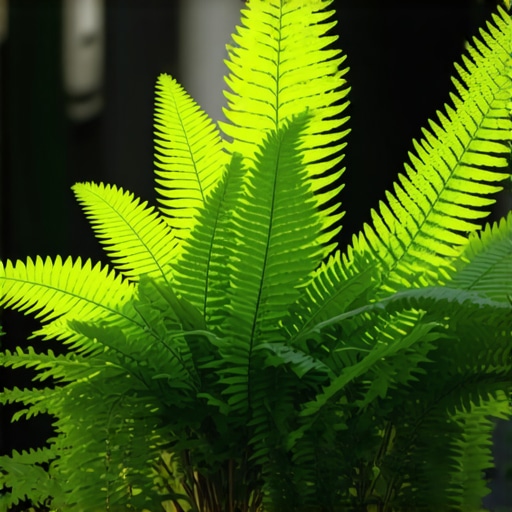
4 Low-Light Ferns for 2026 North-Facing Gardens
The Foundation of North-Facing Horticultural Success
A north-facing garden is not a death sentence for your landscaping. It is an engineering challenge involving low solar radiation and specific thermal dynamics. I always drill into my new crew members: if you don’t fix the soil grading first, every plant you put in the ground is just expensive compost. Most homeowners see a dark corner and think ‘lush greenery,’ but as a pro, I see a high-moisture environment with a risk of anaerobic soil conditions. North-facing walls act as giant heat sinks in the winter and cooling fins in the summer. This means the soil temperature fluctuates differently than a south-facing plot. We are looking at light levels that rarely exceed 200 foot-candles, which is why we must select tracheophytes that have evolved specifically for the forest floor. These plants don’t just survive; they leverage the specific humidity and stable temperatures found in the shadow of permanent structures. Forget the big-box store annuals. We are building a permanent, high-performing ecosystem.
“Ferns require high organic matter and a pH between 5.5 and 6.5 for optimal nutrient uptake in temperate climates.” – University of Georgia Extension
Selecting the Right Fern Species for 2026 Standards
The 2026 garden design standard focuses on native adaptability, drought tolerance, and specific architectural texture. Selecting Matteuccia struthiopteris, Dryopteris erythrosora, Athyrium niponicum, and Polystichum acrostichoides ensures a robust rhizome network and seasonal resilience. These choices represent a mix of deciduous and evergreen habits that provide 12-month structural interest in the landscape. I have spent two decades watching contractors put sun-loving hostas in these spots only to see them get scorched by the reflected UV off the house siding. Ferns are different. Their frond structure is designed to capture the low-frequency light waves that bounce off walls. We aren’t just planting; we are installing a biological light-capture system. These four species are the workhorses of the high-end shade garden. They handle the heavy lifting while other plants struggle for a single photon.
1. The Ostrich Fern (Matteuccia struthiopteris)
If you have the space, the Ostrich Fern is your primary vertical element. These things can hit five feet in height if the nitrogen levels are right. I use them for screening ugly foundations. They spread via underground stolons, forming a colony. You need to manage the spacing. If you crowd them, you restrict airflow and invite fungal pathogens. Give them 36 inches on center. The fiddleheads are a bonus, but the real value is the aggressive root system that stabilizes soil. In a north-facing site, the soil often stays damp longer. The Ostrich Fern loves this, but it will not tolerate standing water. You must ensure the subgrade is sloped at a minimum of 2 percent away from the foundation.
2. The Autumn Fern (Dryopteris erythrosora)
Most ferns are just green. The Autumn Fern gives you copper and bronze tones that shift as the fronds mature. It is a slow-growing evergreen in many zones. I like this species for its waxy cuticle, which makes it more resistant to the occasional dry spell than its thinner-leaved cousins. We often use this in hardscaping pockets, tucked into the gaps of a retaining wall. The hydrostatic pressure behind a wall often creates a moist micro-climate that this fern thrives in. It stays compact, rarely exceeding 24 inches, making it perfect for the foreground of your planting beds.
3. Japanese Painted Fern (Athyrium niponicum)
This is the specialist. It brings metallic silver and burgundy hues into the darkest corners. It is a low-grower, usually topping out at 18 inches. In the industry, we call this ‘high-contrast filler.’ Because it is deciduous, it disappears in winter, so I always pair it with evergreen groundcovers. The Japanese Painted Fern requires a very high cation exchange capacity in the soil. I usually amend the planting hole with 30 percent leaf mold and a handful of mycorrhizal fungi. It is sensitive to soil compaction. If my crew steps on the root zone during installation, I make them fluff the soil back up. One footprint can crush the delicate root hairs and stunt the plant for an entire season.
4. Christmas Fern (Polystichum acrostichoides)
This is my go-to for erosion control on north-facing slopes. It is tough as nails. The Christmas Fern is an evergreen, meaning it keeps its deep green color even when there is snow on the ground. It grows in clumps and does not spread like the Ostrich Fern. I use it to anchor the corners of a garden design. It has a high tolerance for varying pH levels, but it prefers a slightly acidic environment. If you have heavy clay, you need to plant this high. I tell my guys to leave an inch of the root ball above the soil line and mulch up to it. Planting too deep is the number one cause of death for Polystichum species. It will rot. Period.
Material Comparison and Specifications
Before you buy, you need to understand the technical specs of these plants. Not all ferns are created equal. You need to match the plant to the specific micro-climate of your yard. Use the following table to plan your layout and order the correct quantity of nursery stock.
| Species | Max Height | Growth Habit | USDA Zones | Primary Benefit |
|---|---|---|---|---|
| Ostrich Fern | 60 inches | Stoloniferous (Spreading) | 3-7 | Vertical Screening |
| Autumn Fern | 24 inches | Clumping (Semi-Evergreen) | 5-9 | Multi-seasonal Color |
| Japanese Painted | 18 inches | Clumping (Deciduous) | 3-8 | Visual Contrast |
| Christmas Fern | 24 inches | Clumping (Evergreen) | 3-9 | Erosion Control |
Hydrology and Soil Engineering in the Shade
Water management in a north-facing garden is a delicate balance between hydration and saturation. Because these areas receive less sunlight, evaporation rates are significantly lower than in the rest of the yard. This means you cannot use the same irrigation schedule for your ferns as you do for your turf grass. Over-watering in the shade leads to Phytophthora and other root-rot diseases. I recommend a dedicated zone for shade plants using 0.5 GPH (gallons per hour) drip emitters. This delivers water directly to the rhizosphere without wetting the fronds, which reduces the risk of leaf spot. We are looking for deep, infrequent watering that forces the roots to seek moisture deeper in the soil profile.
“Standard hardscape drainage must account for the specific transpiration rates of the surrounding biomass to prevent localized soil saturation.” – Hardscape Engineering Axiom
How much water do ferns actually need?
A established fern colony needs roughly 1 inch of water per week, but in a north-facing site, this can often be reduced by 30 percent due to lower evapotranspiration. You must check the soil moisture 3 inches down. If it is muddy, turn off the clock. If it is crumbly and dry, it is time to cycle the system. I prefer to use a smart controller with a soil moisture sensor buried in the root zone of the largest Ostrich Fern. This takes the guesswork out of the hands of the homeowner and prevents the ‘mow-and-blow’ crews from drowning your investment.
What is the best soil pH for ferns?
Most ferns thrive in a slightly acidic environment with a pH between 5.5 and 6.5. If your soil is alkaline, usually due to concrete runoff from the foundation, you will see yellowing fronds, a condition known as interveinal chlorosis. I use elemental sulfur to bring the pH down over time. Do not use cheap aluminum sulfate; it can be toxic to the soil microbiology. We want to build a living soil, not a chemical-dependent one. A 2-inch layer of aged hardwood mulch or pine bark fines will also help maintain acidity as it breaks down.
The Ground-Up Installation Checklist
Follow this protocol to ensure your north-facing garden survives the first critical year. Don’t skip the site prep. The plants are the cheapest part of the job; the labor and soil prep are where the value is created.
- Site Grading: Ensure a 2 percent slope away from the house to prevent basement seepage and root rot.
- Soil Testing: Get a professional lab analysis of your NPK levels and organic matter percentage.
- Excavation: Dig holes twice as wide as the root ball but no deeper. The root flare must be level with the grade.
- Amending: Incorporate 30 percent organic compost or leaf mold into the backfill.
- Irrigation: Install 1/2-inch drip tubing with pressure-compensating emitters.
- Mulching: Apply 2 inches of organic mulch. Do not pile it against the crown of the fern.
Maintenance and Long-Term Care
Once the ferns are in the ground, the work isn’t over. The first winter is the biggest test. In late fall, do not cut back the dead fronds of the deciduous ferns. Let them collapse over the crown. This provides a natural insulation layer against the freeze-thaw cycles that can heave plants out of the ground. In the spring, once you see the new ‘fiddleheads’ emerging, you can carefully snip away the old growth. For the evergreen Christmas Fern, just remove any fronds that have been flattened by snow. Apply a light dressing of organic fertilizer in early April. Stay away from the high-nitrogen synthetic pellets. You want slow-release nutrients that feed the soil, not just the plant. Watch for pests like slugs, which love the cool, damp environment of a north-facing garden. A thin layer of crushed eggshells or diatomaceous earth around the base of the plants is usually enough to keep them at bay without using harsh chemicals. If you follow this engineering-first approach, your north-facing garden will be the most stable and resilient part of your landscape. It just takes a little more dirt under the fingernails at the start.

![4 2026 Best Plants for Salty Roadside Soil [Tested]](https://lawnmajesty.com/wp-content/uploads/2026/07/4-2026-Best-Plants-for-Salty-Roadside-Soil-Tested.jpeg)
![5 2026 Best Perennials for Butterflies [Zone 7]](https://lawnmajesty.com/wp-content/uploads/2026/07/5-2026-Best-Perennials-for-Butterflies-Zone-7.jpeg)