
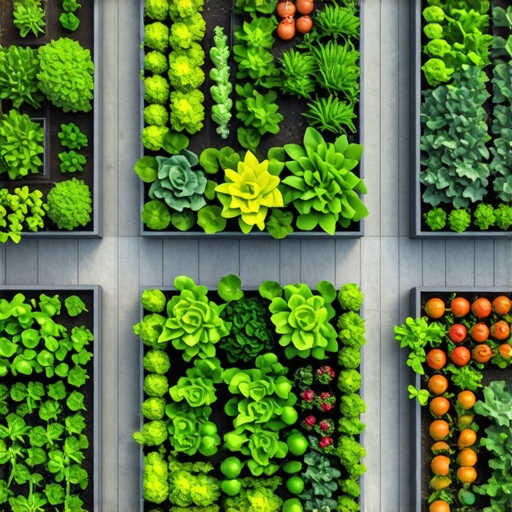
5 Modern Garden Layouts for 2026 Vegetable Yards
Why Most 2026 Vegetable Gardens Fail Before the First Seed Germinates
Modern 2026 vegetable garden layouts prioritize structural hardscaping and soil biology to maximize yield per square foot. These designs utilize raised masonry beds, automated drip irrigation, and integrated nutrient management to bypass the failures of traditional patch gardening and poor local soil conditions. Most homeowners treat a vegetable garden like a hobby; I treat it like a civil engineering project. If you do not account for hydrostatic pressure in your raised beds or the Cation Exchange Capacity (CEC) of your soil, your garden is just an expensive way to grow wilted lettuce. I always drill into my new crew members: if you don’t fix the soil grading first, every plant you put in the ground is just expensive compost. I have seen guys spend ten grand on cedar beds only to have them rot out in three years because they didn’t understand ground-contact ratings or drainage. You have to think about the logistics of water and the physics of weight before you ever pick up a seed packet.
“Soil health is the foundation of any productive garden; it is a complex ecosystem that requires balance in chemical, physical, and biological properties.” – Penn State Extension Agronomy Manual
The Bio-Intensive Raised Bed Matrix
The Bio-Intensive Raised Bed Matrix uses vertical growth structures and compacted aggregate paths to create a high-yield environment that resists soil compaction. By utilizing a 3.5-foot width for every bed, you ensure the root zone is never stepped on, preserving the delicate mycorrhizal fungi networks essential for nutrient uptake. In this layout, we use 6-inch lifts of modified gravel for the walkways, capped with a fine-grade screenings to ensure a stable, ADA-compliant surface that doesn’t migrate into your growing medium. We focus on the NPK ratios specifically for heavy feeders like brassicas and nightshades. Don’t use big-box store potting mix. It is mostly peat and prayer. You need a 60-30-10 mix of screened topsoil, aged leaf compost, and coarse perlite for aeration.
How deep should a vegetable garden bed be?
For most vegetables, a minimum depth of 12 to 18 inches is required to allow for proper taproot extension and moisture retention. However, if you are planting deep-rooted perennials or large heirloom tomatoes, 24 inches provides the thermal mass needed to protect roots from mid-summer heat spikes.
| Material Type | Expected Lifespan | Thermal Retention | Cost Factor |
|---|---|---|---|
| Western Red Cedar | 10-15 Years | Moderate | High |
| Galvanized Steel | 20+ Years | Low (Heats Quickly) | Medium |
| Cast Stone/Masonry | 50+ Years | High | Very High |
| Pressure Treated (ACQ) | 15-20 Years | Moderate | Low |
The Sun-Synchronous Sunken Garden Layout
The Sun-Synchronous Sunken Garden utilizes thermal mass engineering and micro-climate manipulation to extend the growing season by up to 45 days. By excavating 12 inches below the frost line and lining the north wall with dark-toned masonry, you create a heat sink that radiates energy back to the plants during cool spring nights. This is not just digging a hole; it is about managing the angle of incidence for solar radiation. In 2026, we are seeing more extreme weather swings. A sunken garden buffers these. You must install a 4-inch perforated French drain at the lowest point, wrapped in a 6-ounce non-woven geotextile fabric. Without it, your garden becomes a pond. Water must move. Stagnant water kills roots. It will rot. Period.
“A retaining wall doesn’t fail because of the stone; it fails because of the water trapped behind it.” – Hardscape Engineering Axiom
The Vertical Hydro-Structure Perimeter
Vertical Hydro-Structure layouts solve the problem of limited horizontal space by utilizing A-frame trellising and integrated fertigation systems. This layout is designed for urban environments where every square inch of solar exposure must be harvested. We use 14-gauge cattle panels secured to 4×4 pressure-treated posts (rated for ground contact) to support the weight of heavy vining crops like pumpkins and melons. The engineering focus here is lateral load resistance. A heavy wind storm can topple a poorly anchored vertical garden. We set our posts 36 inches deep with a flared concrete base. Do not skip the gravel at the bottom of the post hole. You need that drainage to prevent the post from shearing at the soil line.
What is the best material for vegetable garden paths?
The best material for garden paths is compacted 2A modified stone topped with permeable pavers or decomposed granite. This combination provides a stable surface for wheelbarrows while allowing hydrostatic relief, ensuring that rainwater infiltrates the soil rather than shearing off into your planting beds.
The Tech-Integrated Modular Garden
The Tech-Integrated Modular Garden layout incorporates soil moisture sensors, automated NPK injectors, and low-voltage lighting to create a precision-agriculture environment. In 2026, we no longer guess if the plants need water. We check the volumetric water content (VWC) via a smartphone app. This prevents the number one killer of home gardens: over-watering. Over-watering leads to anaerobic soil conditions and Pythium root rot. We install a 1-inch main line for irrigation with 0.5 GPH (gallons per hour) pressure-compensating emitters. This ensures every plant gets the exact same amount of water regardless of its distance from the pump. Precision matters.
- Step 1: Conduct a 12-point soil test for pH and micronutrient levels.
- Step 2: Rough grade the site to a 2% slope away from any structures.
- Step 3: Install primary drainage and utility conduits for power and water.
- Step 4: Construct bed frames using mechanical fasteners (not just nails).
- Step 5: Layer the base with 2 inches of arborist wood chips to promote fungal growth.
- Step 6: Fill with a custom engineered soil blend.
- Step 7: Set up the automated fertigation and irrigation controller.
The Permaculture Food Forest Perimeter
The Permaculture Food Forest Perimeter layout focuses on guild planting and stacked functions to create a self-sustaining ecosystem. Instead of a fence, we use a living barrier of berry bushes, fruit trees, and perennial herbs. This layout requires a deep understanding of USDA Hardiness Zones and chill hour requirements. You cannot just plant a peach tree and expect it to thrive if your zone doesn’t provide the necessary dormancy period. We focus on root flare visibility. I see too many ‘pros’ bury trees like telephone poles. This causes girdling roots and eventual death. The root flare must be at or slightly above the finished grade. Always. If you see a ‘mulch volcano,’ fire your landscaper. It is horticultural malpractice. Use 3 inches of arborist chips, kept 2 inches away from the trunk. Soil biology is a long game. It takes years to build, but only one bad chemical application to destroy.
{“@context”:”https://schema.org”,”@type”:”Article”,”headline”:”5 Modern Garden Layouts for 2026 Vegetable Yards”,”author”:{“@type”:”Person”,”name”:”Veteran Horticulturist”},”description”:”Professional guide to 2026 vegetable garden layouts focusing on hardscaping, soil engineering, and high-yield design.”,”tableOfContents”:”The Bio-Intensive Raised Bed Matrix, The Sun-Synchronous Sunken Garden, The Vertical Hydro-Structure Perimeter, The Tech-Integrated Modular Garden, The Permaculture Food Forest Perimeter”}

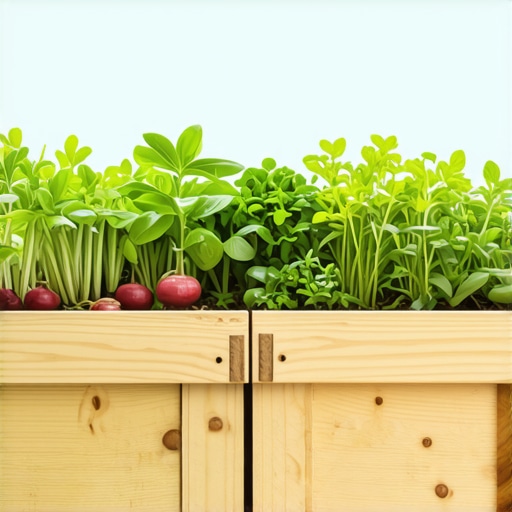
![Building a 2026 Raised Bed for Under $50 [DIY]](https://lawnmajesty.com/wp-content/uploads/2026/07/Building-a-2026-Raised-Bed-for-Under-50-DIY.jpeg)

![Stop 2026 Peony Droop with This 3-Stake Support [Easy]](https://lawnmajesty.com/wp-content/uploads/2026/05/Stop-2026-Peony-Droop-with-This-3-Stake-Support-Easy.jpeg)