Build a $150 Window Box Garden for 2026 Herb Growing
The Engineering Fundamentals of High-Performance Window Boxes
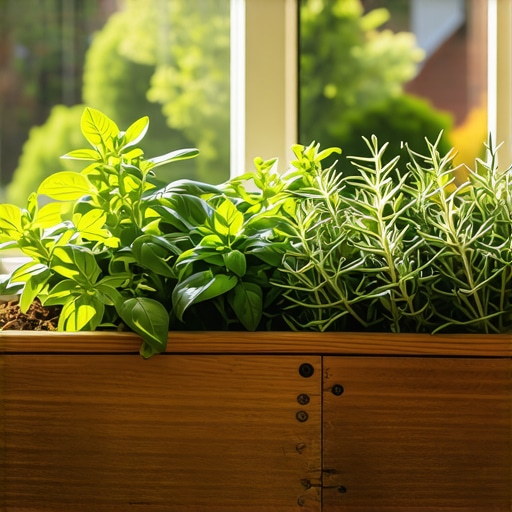
Building a $150 herb window box garden requires balancing material durability with substrate aeration to prevent biological failure. Focus on rot-resistant cedar, customized soil mixes with high Cation Exchange Capacity, and strategic drainage to ensure the 2026 growing season yields high-density culinary herbs instead of anaerobic root rot. Most people treat a window box as a decorative afterthought. I treat it as a self-contained ecosystem where failure is measured in inches of root decay. If you don’t respect the physics of water tension and thermal mass, you are just throwing $150 into a wooden coffin.
I always drill into my new crew members: if you don’t fix the soil grading first, every plant you put in the ground is just expensive compost. This technical wisdom applies to a 24-inch cedar box just as much as a 1,000-square-foot retaining wall. When you are dealing with a confined root zone, the margin for error disappears. I have seen more $200 rosemary plants die from ‘wet feet’ in expensive containers than I have seen die from actual drought. The drainage isn’t just about making holes; it is about managing the perched water table that naturally forms in every container. If your substrate doesn’t have the macropores to break that tension, your herbs will suffocate by July.
“Container drainage is governed by the physical properties of the media; a saturation zone always exists at the bottom of the container regardless of the number of holes provided.” – Texas A&M AgriLife Extension
What is the best soil for herb window boxes?
The best soil for herb window boxes is a soilless substrate composed of sphagnum peat moss or coconut coir mixed with perlite and vermiculite to ensure a pH of 6.0 to 7.0. Avoid heavy topsoil which compacts and prevents oxygen diffusion to the root hairs. Herbs like thyme and oregano require a gritty texture that mimics their Mediterranean origins. I typically mix my own: 60 percent peat, 20 percent perlite for drainage, and 20 percent high-quality compost for nutrient density. Do not buy the $5 ‘all-purpose’ bags from the big-box stores. Those bags are often loaded with uncomposted wood chips that will rob your herbs of nitrogen as they break down. You want a medium that feels light and airy, not something that turns into a brick when it dries out.
| Material Component | Estimated Cost | Functional Purpose |
|---|---|---|
| Western Red Cedar (1x8x8) | $55.00 | Rot-resistant structural housing |
| Professional Grade Substrate | $35.00 | High CEC and air-filled porosity |
| High-Density Herb Starts | $40.00 | Culinary production (Genovese Basil, Rosemary) |
| Fasteners and Drainage Mesh | $20.00 | Structural integrity and soil retention |
How often do I water window box herbs?
You must water window box herbs based on substrate moisture tension rather than a fixed schedule, typically checking the top two inches of soil daily during peak 2026 summer temperatures. Herbs in south-facing windows experience high evaporation rates due to radiant heat from the building facade. In my 20 years of field work, I have found that ‘scheduled watering’ is the fastest way to kill a garden. Use your finger. If the soil is cool and damp at the second knuckle, walk away. If it is dry, saturate the box until water runs freely from the drainage ports. This flush also helps remove accumulated salts from fertilizers that can burn tender root tips over time.
“Temperature fluctuations in containers are significantly more volatile than in-ground plantings, requiring active monitoring of root zone heat stress.” – University of Maryland Extension
The Ground-Up Build: Construction and Site Physics
Before you drive a single screw, you need to analyze the thermal dynamics of your installation site. A window box attached to dark brick will absorb and radiate heat far differently than one hung on white vinyl siding. This radiant heat can bake the roots of sensitive herbs like cilantro or parsley. I recommend using 1-inch thick Western Red Cedar. It has a natural R-value that helps insulate the roots against the midday sun. Avoid pressure-treated lumber for herb boxes; you don’t want chromated copper arsenate leaching into your pesto. Use stainless steel or galvanized screws to prevent rust streaks from ruining your siding within two seasons.
- Drill drainage holes: 3/4-inch diameter, spaced every 4 inches along the bottom.
- Install a liner: Use a breathable landscape fabric to prevent soil migration through the holes.
- Level the mount: Use a slight 1-degree pitch away from the house to protect your trim.
- Pre-soak the wood: Cedar expands when wet; pre-conditioning prevent split joints.
- Check the 811: If mounting near ground level, ensure no utility lines are in the way.
The installation process is where the ‘hacks’ fail. They use cheap plastic brackets that sag under the weight of wet soil. A standard 24-inch window box filled with wet substrate and plants can weigh over 50 pounds. Use heavy-duty steel brackets and lag bolts into the house framing. Do not just screw into the siding. You need to hit the studs. If you don’t, that $150 investment will be on the ground after the first heavy thunderstorm. Precision matters. Don’t skip the pilot holes. It will rot if the water pools against the house. Keep a 1/2-inch air gap between the box and the siding to allow for airflow and prevent mold growth on your exterior walls. This is the difference between a professional landscape install and a DIY disaster.