![Build a $100 Modern Planter Box for 2026 [DIY]](https://lawnmajesty.com/wp-content/uploads/2026/06/Build-a-100-Modern-Planter-Box-for-2026-DIY.jpeg)
Build a $100 Modern Planter Box for 2026 [DIY]
The Foundation of Modern Horticulture: Why Most DIY Planters Fail
To build a $100 modern planter box, you must prioritize rot-resistant cedar or treated lumber, utilize structural fasteners, and engineer a drainage system that prevents hydrostatic pressure from blowing out the sidewalls. Most amateurs fail because they ignore the physics of wet soil. I always drill into my new crew members: if you don’t fix the soil grading first, every plant you put in the ground is just expensive compost. This rule applies to planter boxes too. If the box isn’t level and the drainage isn’t clear, the root zone will anaerobicize within six months. I’ve seen $50,000 landscapes ruined because someone forgot that water needs a path of least resistance. When building for the 2026 season, we are looking at minimalist aesthetics combined with high-durability engineering. You aren’t just making a box; you are building a biological containment vessel that must withstand 300+ pounds of saturated soil weight and constant microbial attack.
The Blueprint Phase: Materials and Engineering Logic
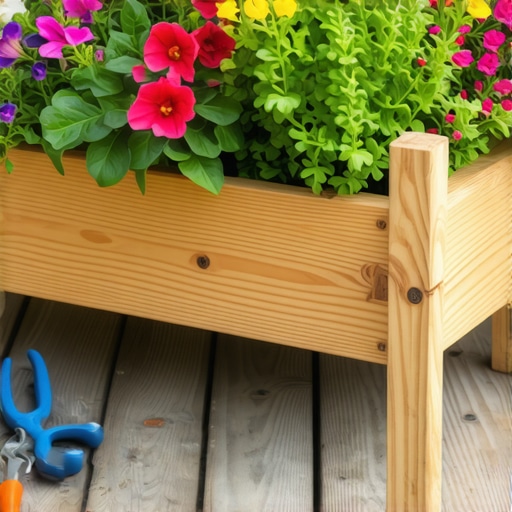
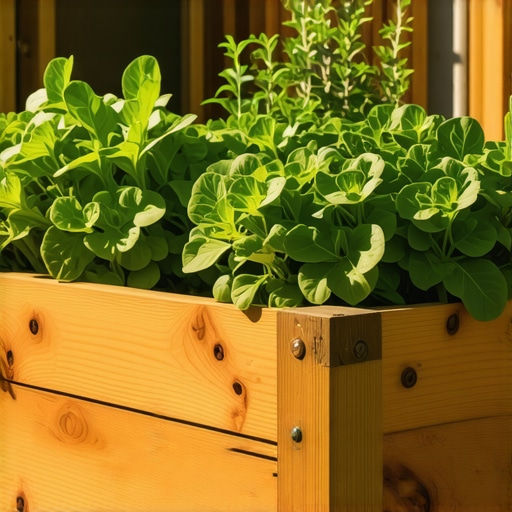
Designing a modern planter requires understanding the tensile strength of fasteners and the moisture-wicking properties of your chosen substrate. If you go cheap on the wood, the box will warp by the second season. If you go cheap on the screws, the lateral pressure of the soil will pop the heads off. We use a capillary break strategy. [IMAGE_PLACEHOLDER_1] Below is a breakdown of how to allocate your $100 budget for maximum longevity.
| Material Type | Estimated Cost | Service Life (Years) | Structural Role |
|---|---|---|---|
| Rough-Sawn Cedar (2×6) | $65.00 | 10-15 | Primary Chassis |
| Structural Deck Screws (3-inch) | $12.00 | 25+ | Joint Stability |
| High-Density Polyethylene Liner | $15.00 | N/A | Moisture Barrier |
| Stainless Steel Drainage Mesh | $8.00 | 50+ | Soil Retention |
Notice I didn’t list ‘decorative trim.’ In 2026, the structural wood is the aesthetic. We use Western Red Cedar or Black Locust if you can find it at a local mill. These species contain natural tannins that repel rot-inducing fungi. Stay away from the ‘white wood’ or ‘common board’ at big-box stores. It is basically sponges shaped like lumber. It will rot. Don’t skip the liner; it prevents the wet soil from directly contacting the wood, effectively doubling the life of the box.
“A retaining wall doesn’t fail because of the stone; it fails because of the water trapped behind it.” – Hardscape Engineering Axiom
How much modified gravel do I need for a planter base?
For a standard 4×2 foot planter box, you need approximately two cubic feet of modified gravel or coarse drainage stone to create a 3-inch drainage sump. This layer prevents the bottom of the soil profile from becoming a stagnant pool of anaerobic bacteria. Without this, your plant roots will suffocate due to lack of oxygen exchange.
Does a wooden planter box need a liner for drainage?
Yes, but not just any plastic. You must use a breathable moisture barrier or a heavy-duty HDPE liner with perforated weep holes at the lowest point. The goal is to separate the wood’s organic fibers from the soil’s constant moisture while still allowing hydrostatic pressure to equalize through drainage.
The Construction Process: Step-by-Step DIY Execution
Assembly is about precision and pilot holes. Never drive a screw into the end-grain of a cedar board without a pilot hole. You will split the grain, creating a microscopic channel for water to enter and freeze during winter. This leads to heaving and structural failure. Use 304-grade stainless steel screws if you live within 50 miles of the coast; otherwise, high-quality ceramic-coated deck screws will suffice.
- Step 1: The Cut List. Dimension your lumber to 48-inch lengths for the sides and 24-inch for the ends. Use a miter saw for clean, 90-degree butts.
- Step 2: Pre-Drilling. Mark points 1-inch from the edge. Use a 1/8-inch bit to ensure the screw threads bite without fracturing the wood.
- Step 3: Squaring the Box. Check your diagonals. If the diagonals aren’t equal, your box is a trapezoid. This looks amateur and makes fitting the base impossible.
- Step 4: The Bottom Slatting. Leave 1/4-inch gaps between bottom boards. This is your primary drainage exit.
- Step 5: Lining. Staple the HDPE liner to the interior walls, stopping 1 inch below the top edge to hide the plastic.
Once the frame is built, the focus shifts to soil microbiology. Do not fill this box with ‘garden soil’ from the hardware store. That stuff is mostly peat moss and wood chips that will settle by 4 inches in the first year. You need a mix of 60% screened topsoil, 30% organic compost, and 10% perlite or coarse sand. This ensures a consistent bulk density and prevents compaction. Compaction is the silent killer of container gardens.
The Engineering of Drainage: Managing Hydrostatic Pressure
Wet soil is heavy. A cubic foot of saturated soil can weigh up to 100 pounds. In a 4×2 planter, that is half a ton of pressure pushing outward. This is why we use structural corner blocks. Use 2×2 cedar scraps in the interior corners to provide more surface area for the screws to bite. This prevents the corners from ‘opening up’ over time. I’ve seen enough failed DIY projects to know that a box held together only by end-grain screws will fail by year three. Don’t be that guy. Ensure your drainage holes are at least 1/2 inch in diameter and spaced every 6 inches. Cover these with a fine mesh to prevent soil washout. Soil washout doesn’t just make a mess; it creates voids in the root zone that can lead to root desiccation.
“Wood in contact with soil or standing water requires a specific chemical retention level to resist decay fungi.” – USDA Forest Products Laboratory
Maintenance and the 2026 Ecosystem
Maintenance starts on day one. Use a penetrating oil-based stain on the exterior only. Do not paint it. Paint traps moisture inside the wood grain, causing it to rot from the inside out. In the 2026 landscape, we are also looking at smart irrigation. Consider running a 1/4-inch drip line through the bottom of the box before you fill it with soil. This ensures water delivery to the root flare rather than just wetting the foliage, which reduces the risk of powdery mildew and other fungal pathogens. Turf grass needs deep, infrequent watering—exactly 1 inch per week—but container plants in a modern box require daily monitoring during the evapotranspiration peaks of July and August. If you follow this engineering-first approach, your $100 investment won’t just look good in 2026; it will be a structural part of your landscape for a decade. Check your pH levels annually. Soil in containers tends to acidify faster than in-ground soil due to the leaching of minerals through the drainage system. Amend with dolomitic lime if necessary to maintain a neutral 6.5 to 7.0 range. Stop guessing and start measuring.