5 2026 Native Grasses for Low-Maintenance Lawns
The Professional Guide to High-Performance Native Grass Systems
I always drill into my new crew members: if you don’t fix the soil grading first, every plant you put in the ground is just expensive compost. I have seen too many rookies spend ten thousand dollars on high-end nursery stock only to watch it rot because they ignored the hydrostatic pressure and poor drainage of the site. In twenty years of hardscaping and horticulture, the biggest mistake I see isn’t the plant choice itself, but the failure to understand the biological and engineering requirements of the soil horizon. Real landscaping isn’t about the aesthetic; it is about managing the nitrogen cycle and ensuring root architecture has the space to breathe in a compacted urban environment. We are building living machines, not stage sets. Proper planning requires an 80/20 split where the vast majority of your labor is spent on site preparation, utility marking through 811 Dig Safe, and soil chemistry adjustments before a single seed is cast.
The Core Benefits of 2026 Native Grass Species
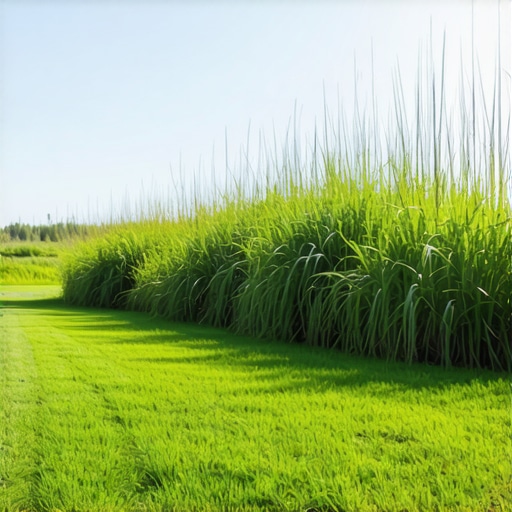
Native grasses for low-maintenance lawns provide a resilient, carbon-sequestering alternative to traditional turf by utilizing deep root systems and C4 metabolic pathways to thrive in extreme heat and drought conditions. These species require 70 percent less water and 90 percent less synthetic nitrogen than standard Kentucky Bluegrass, making them the superior choice for modern ecological engineering. Don’t be fooled by the big-box store marketing. Most commercial sod is a water-hungry nightmare. Native species are the only way to ensure long-term stability in your garden design.
“Native grasses provide essential ecosystem services, including carbon sequestration and improved water infiltration.” – USDA Natural Resources Conservation Service
1. Buffalo Grass (Bouteloua dactyloides)
Buffalo Grass is the gold standard for low-maintenance lawns because it is a true North American native that spreads via stolons to form a dense, heat-resistant mat. This grass thrives in areas with less than 25 inches of annual rainfall and can go dormant during extreme droughts without dying. The root system often reaches depths of six to eight feet. This depth allows the plant to tap into deep soil moisture reserves that traditional sod cannot access. For a residential lawn, I recommend the ‘Legacy’ or ‘Prestige’ cultivars. These varieties stay shorter, around 4 to 6 inches, and require mowing only twice a year. You must ensure your soil pH is between 6.0 and 8.0. If you have heavy clay, you need to core aerate to a depth of 4 inches before seeding to prevent root girdling. Avoid over-watering. It will rot.
2. Blue Grama (Bouteloua gracilis)
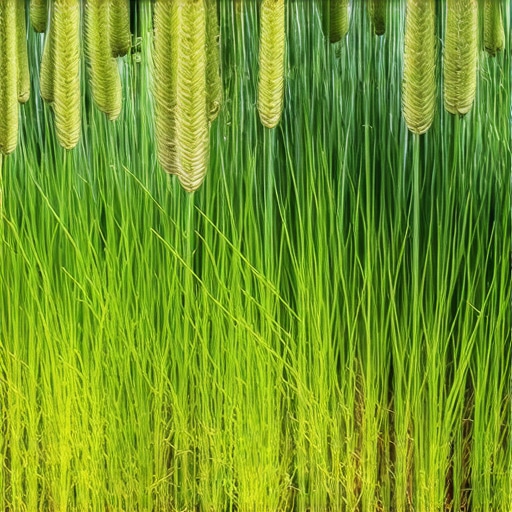
Blue Grama is a bunchgrass that, when seeded heavily, creates a durable and soft lawn surface capable of handling moderate foot traffic. It is easily identified by its unique seed heads that look like eyelashes. This species is highly salt-tolerant, which makes it ideal for properties near treated winter roads or coastal environments. We often use the ‘Hachita’ cultivar for its aggressive growth and cold hardiness. It is a C4 species, meaning it is most active during the peak of summer when other grasses are scorching. It requires zero supplemental nitrogen once the rhizosphere is established. In fact, adding too much fertilizer will actually weaken the plant and encourage weed competition. Keep it lean.
“Proper establishment of native warm-season grasses requires patience, as initial root development outweighs top-growth in the first two seasons.” – Texas A&M AgriLife Extension
3. Purple Muhly (Muhlenbergia capillaris)
Purple Muhly is often relegated to the edges of garden design, but in 2026, we are seeing it used for large-scale soil stabilization and erosion control on sloped properties. While not a traditional “walkable” turf, it is a critical component of a low-maintenance landscape where mowing is impossible. It handles hydrostatic pressure on hillsides by locking the soil in place with a fibrous root mat. It is highly resistant to pests and deer. If you are dealing with a property that has poor drainage or heavy runoff, Muhly grass acts as a biological filter. It thrives in USDA zones 6 through 11. Do not cut it back until late winter. The spent foliage protects the crown from freeze-thaw cycles.
4. Little Bluestem (Schizachyrium scoparium)
Little Bluestem is a rugged, upright grass that provides structural integrity to a landscape throughout the four seasons. It is particularly valuable for its ability to grow in poor, rocky soils where nothing else survives. We use this in hardscaping projects to soften the transition between stone retaining walls and the natural forest floor. It is a champion of carbon sequestration, pumping atmospheric carbon deep into the ground. Its blue-green summer color shifts to a mahogany red in the autumn. It requires zero irrigation once established. If you water this grass too much, it will fall over and lose its form. Neglect is its best friend.
5. Sheep Fescue (Festuca ovina)
Sheep Fescue is the best native option for the shaded areas of your property where warm-season grasses might struggle. It is a cool-season bunchgrass that remains green for a longer period during the spring and fall. It has a very fine texture and a low growth habit, rarely exceeding 5 inches in height. We frequently use it for “no-mow” meadow mixes. Unlike invasive turf fescues, Sheep Fescue does not require high NPK inputs. It is the only choice for a low-input lawn under the canopy of large oak or maple trees. It handles acidic soil better than most natives, performing well down to a pH of 5.5.
How often should you water native grass?
While the internet tells you to water every day, native turf grass actually needs deep, infrequent watering exactly 1 inch per week during the first season to force roots to chase the water down. Once established, many species only require water during extreme 30-day droughts. Frequent light watering is the fastest way to kill a native lawn by encouraging shallow roots and fungal pathogens.
Will native grasses survive a freeze?
Native grasses are evolutionarily adapted to their specific USDA zones and will survive deep freezes by entering a state of dormancy. The crown of the plant remains alive underground while the top growth turns tan or bronze. This is a natural protection mechanism. Do not apply nitrogen in late fall, as this can force tender new growth that will be killed by the frost, potentially damaging the entire plant.
Native Grass Performance Comparison
| Grass Species | Drought Tolerance | Mow Frequency | Best Soil Type |
|---|---|---|---|
| Buffalo Grass | Exceptional | 1-2 times/year | Clay Loam |
| Blue Grama | High | 2-4 times/year | Sandy Loam |
| Purple Muhly | Moderate | Once/year | Well-drained |
| Little Bluestem | Exceptional | Once/year | Poor/Rocky |
| Sheep Fescue | Moderate | Optional | Acidic/Shade |
Pre-Installation Checklist
- Call 811 to mark all underground utility lines before grading.
- Conduct a professional soil test to determine NPK and pH levels.
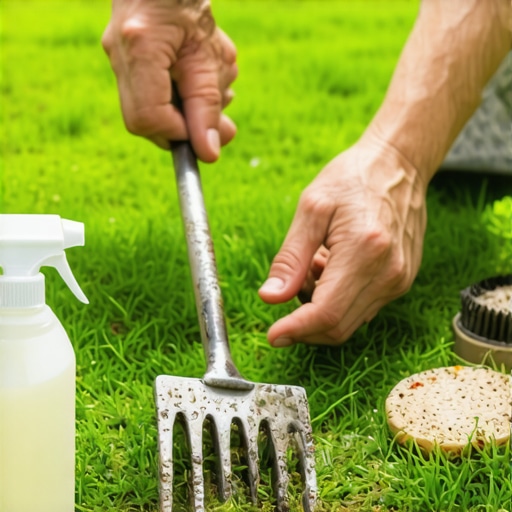
- Kill off existing invasive turf using a non-persistent herbicide or solarization.
- Grade the site with a 2 percent slope away from all hardscape structures.
- Ensure the soil is not overly compacted; roots need oxygen.
[IMAGE_PLACEHOLDER]