Stop 2026 Soil Compaction with This $40 Core Aerator
The Death of a Lawn Starts Underground
Soil compaction is a mechanical failure of the turfgrass system where soil particles are compressed, eliminating the macropores and micropores necessary for oxygen, water, and nutrient movement. By utilizing a $40 manual core aerator, homeowners can effectively break the bulk density barrier, allowing root systems to penetrate deeper into the soil profile and preventing the systemic collapse of the lawn by the 2026 growing season.
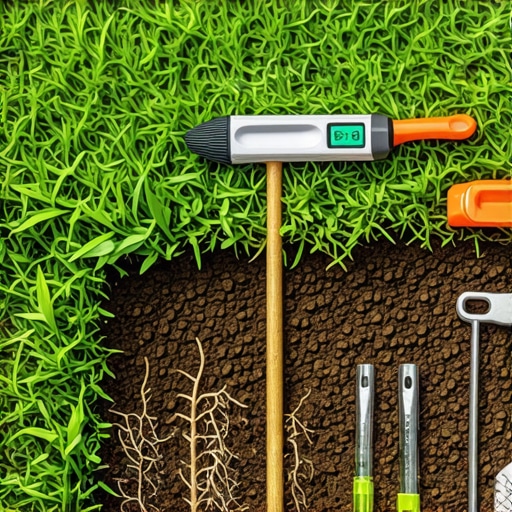
I always drill into my new crew members: if you don’t fix the soil grading and structure first, every plant you put in the ground is just expensive compost. Last year, I walked onto a site where the homeowner had spent six figures on hardscaping and garden design, yet the lawn looked like a moth-eaten rug. They thought they had a nitrogen deficiency. I took a soil probe, and I couldn’t even get it two inches deep. The ground was essentially concrete. That is what compaction does. It suffocates the rhizosphere. You can throw all the high-end fertilizer you want at a lawn, but if the soil bulk density is above 1.6 g/cm3, those roots are going nowhere. They will rot. Don’t skip the physics of the soil.
The Physics of the $40 Manual Core Aerator
A manual core aerator works on the principle of displacement and removal, specifically targeting the thatch layer and the upper A-horizon of the soil. Unlike spike aerators, which actually increase compaction by pushing soil aside and squeezing it tighter, a hollow-tine tool physically extracts a soil plug (typically 0.5 to 0.75 inches in diameter). This creates a void that allows surrounding soil to shift and relax. It is about hydrostatic pressure and gas exchange. When you pull a plug, you are creating a direct macropore for atmospheric oxygen to reach the obligate aerobic microbes that facilitate the nitrogen cycle. If you don’t aerate, those microbes die, and anaerobic bacteria take over, leading to that sour, swampy smell and root rot.
“Core aeration is the process of mechanically removing small plugs of thatch and soil from the lawn to improve soil aeration and water infiltration.” – Penn State Agricultural Extension
How much does soil compaction affect grass growth?
Soil compaction severely limits grass growth by increasing mechanical resistance to root elongation and decreasing the oxygen diffusion rate (ODR) below the critical threshold of 20 x 10^-8 g/cm2/min. This results in stunted, shallow root systems that cannot survive summer heat stress or winter desiccation.
Comparing Aeration Methods: Manual vs. Power
| Feature | $40 Manual Core Aerator | Gas-Powered Rental Aerator | Spike Aerator (Ineffective) |
|---|---|---|---|
| Cost | $35 to $50 (One-time) | $75 to $120 (Per day) | $20 to $40 |
| Soil Impact | Removes plugs, reduces bulk density | High-volume plug removal | Increases side-wall compaction |
| Precision | High (Great for tight corners) | Low (Hard to maneuver) | N/A |
| Physical Effort | High (Manual labor) | Moderate (Heavy machine) | Low |
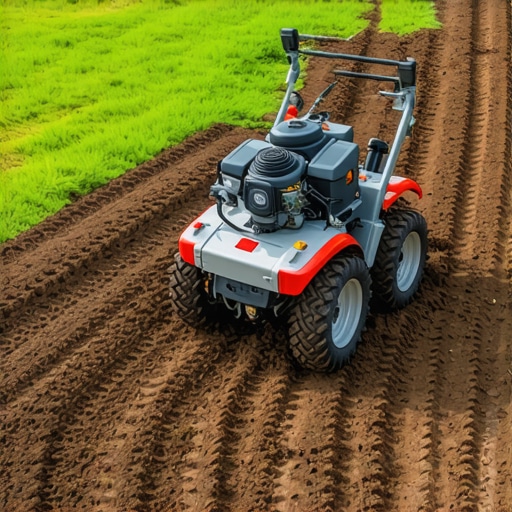
The manual tool is superior for precision lawn care in small residential lots or high-traffic areas like walkways and gate entries. Power aerators are beasts. They are great for 5,000 square feet or more, but they are clumsy. If you have a sloped yard or intricate garden design, a machine will likely damage your irrigation heads or edging. The $40 tool gives you control. You can feel the soil resistance. If the tool won’t go in, you know you have a severe compaction zone that needs extra attention or a soil surfactant application. It is tactile agronomy.
How often should I core aerate my lawn?
For heavy clay soils typical in many regions, core aeration should be performed twice a year, in the spring and fall, during periods of active growth. Sandy soils may only require aeration once every two years, as their particle size naturally resists the compressive forces that lead to pore space collapse.
The Step-By-Step Remediation Process
- Step 1: Soil Moisture Calibration. Never aerate bone-dry soil. You won’t get depth. Wait for 1 inch of rain or irrigate 24 hours prior. The soil should be friable, not muddy.
- Step 2: Utility and Irrigation Marking. Call 811 or use utility marking flags. Even a manual tool can puncture a shallow PVC lateral line or a low-voltage lighting cable.
- Step 3: Systematic Extraction. Focus on high-traffic zones. Space your penetrations approximately 4 to 6 inches apart. You want to see at least 20 to 40 plugs per square foot.
- Step 4: Topdressing Integration. After pulling plugs, do not just leave the holes empty. This is your window to introduce organic matter. Spread a 1/4 inch layer of screened compost or calcined clay. This prevents the holes from just collapsing and keeps the pore space open.
- Step 5: Overseeding and Fertilization. Use the holes as seed beds. The seed-to-soil contact inside an aeration hole is nearly 100 percent. It is the best way to thicken a lawn without tilling.
“A retaining wall doesn’t fail because of the stone; it fails because of the water trapped behind it, much like a lawn fails when water cannot penetrate the compacted surface.” – Hardscape Engineering Axiom
The Science of Core Depth and Root Resilience
You need to aim for a 2.5 to 3-inch plug depth. Shorter than that and you are only scratching the surface. The $40 manual aerator usually features a foot-bar that allows you to use your body weight to drive the tines deep. This is applied engineering. By reaching the 3-inch mark, you are bypassing the thatch layer and delivering capillary water directly to the endomycorrhizal fungi networks that trade nutrients for carbon with your grass. In the 2026 season, when the heat domes hit, the lawns that were aerated in 2025 will have roots six inches deep, while the compacted lawns will have roots barely one inch deep. The latter will burn. They will die. Aeration is insurance against drought.
Can I use a manual aerator on large lawns?
While physically demanding, a manual aerator can be used on large lawns if done in sections over several weekends. For properties over 2,000 square feet, it is often more ergonomically efficient to use the manual tool for spot-treating high-compaction areas and a tow-behind core aerator for the main turf areas.